
Search
Showing results for "Study of bullying"
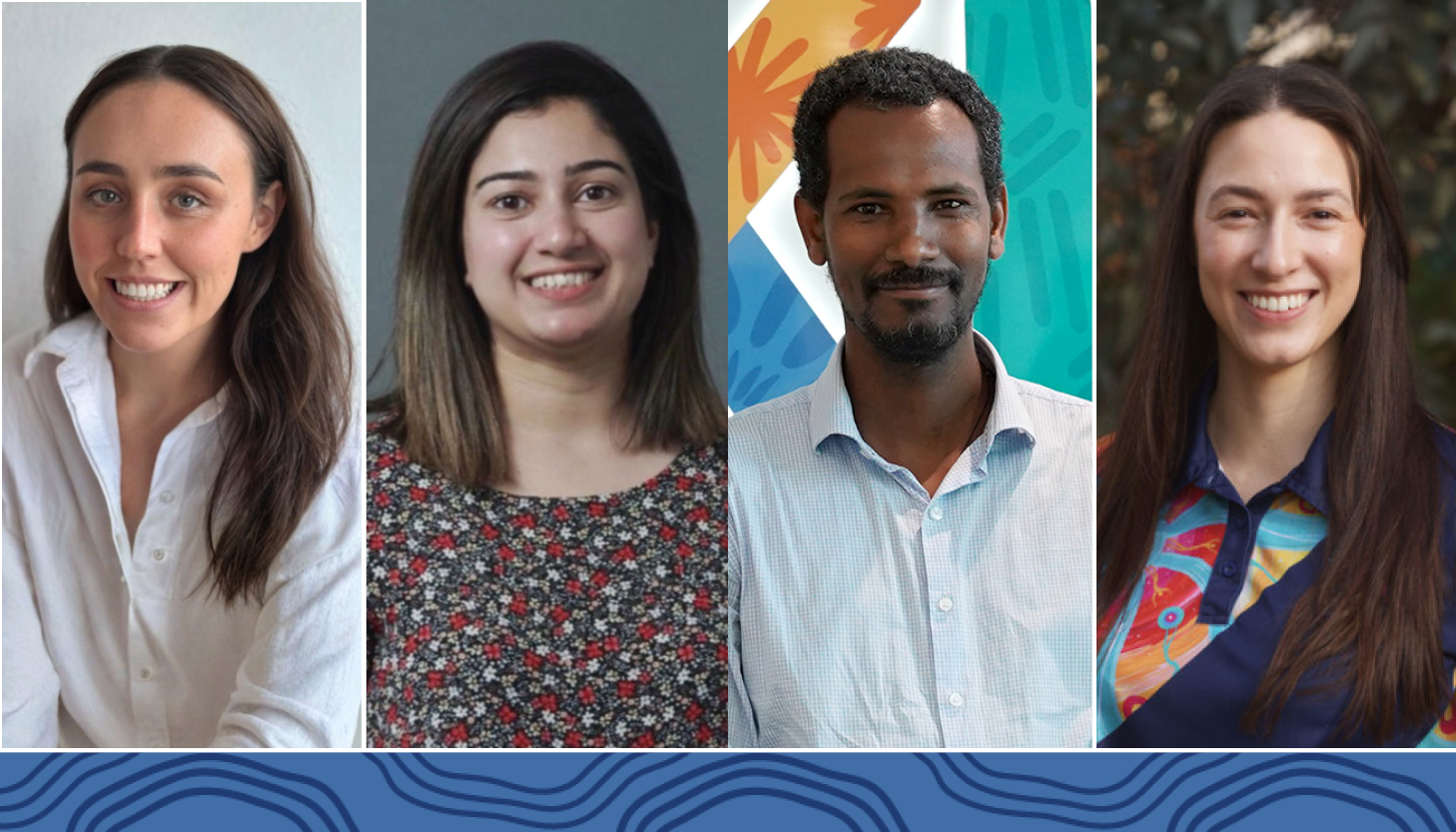
Congratulations to four outstanding early-career researchers from The Kids Research Institute Australia, who have been awarded BrightSpark Foundation fellowships and project funding for 2026.
Globally, Indigenous populations have been disproportionately impacted by pandemics. In Australia, though national infection rates with COVID-19 infections in Aboriginal and/or Torres Strait Islander people were lower in the first 12 months of the COVID-19 pandemic, there was soon a greater burden in Aboriginal and/or Torres Strait Island people once Omicron was circulating. Uptake of the COVID-19 vaccine was also lower among Aboriginal and/or Torres Strait Islander people.
Eradication and elimination strategies for lymphatic filariasis (LF) primarily rely on multiple rounds of annual mass drug administration (MDA), but also may benefit from vector control interventions conducted by malaria vector control programs. We aim to examine the overlap in LF prevalence and malaria vector control to identify potential gaps in program coverage.
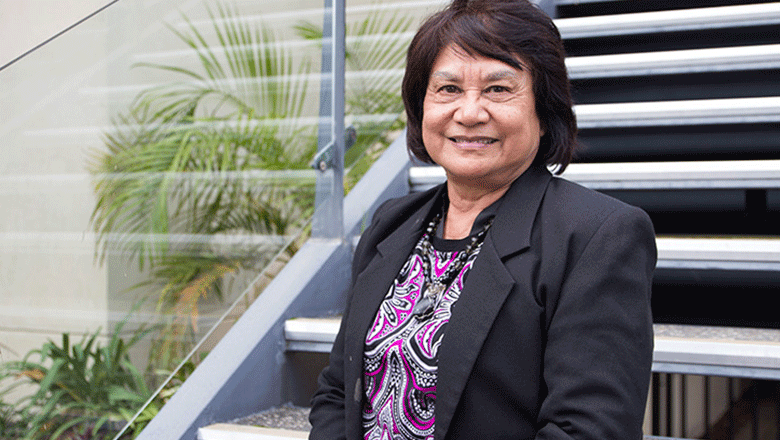
To celebrate NAIDOC week we sat down with Isabelle Adams, the coordinator of The Kids Research Institute Australia's Kulunga Aboriginal Research Development Unit (KARDU).
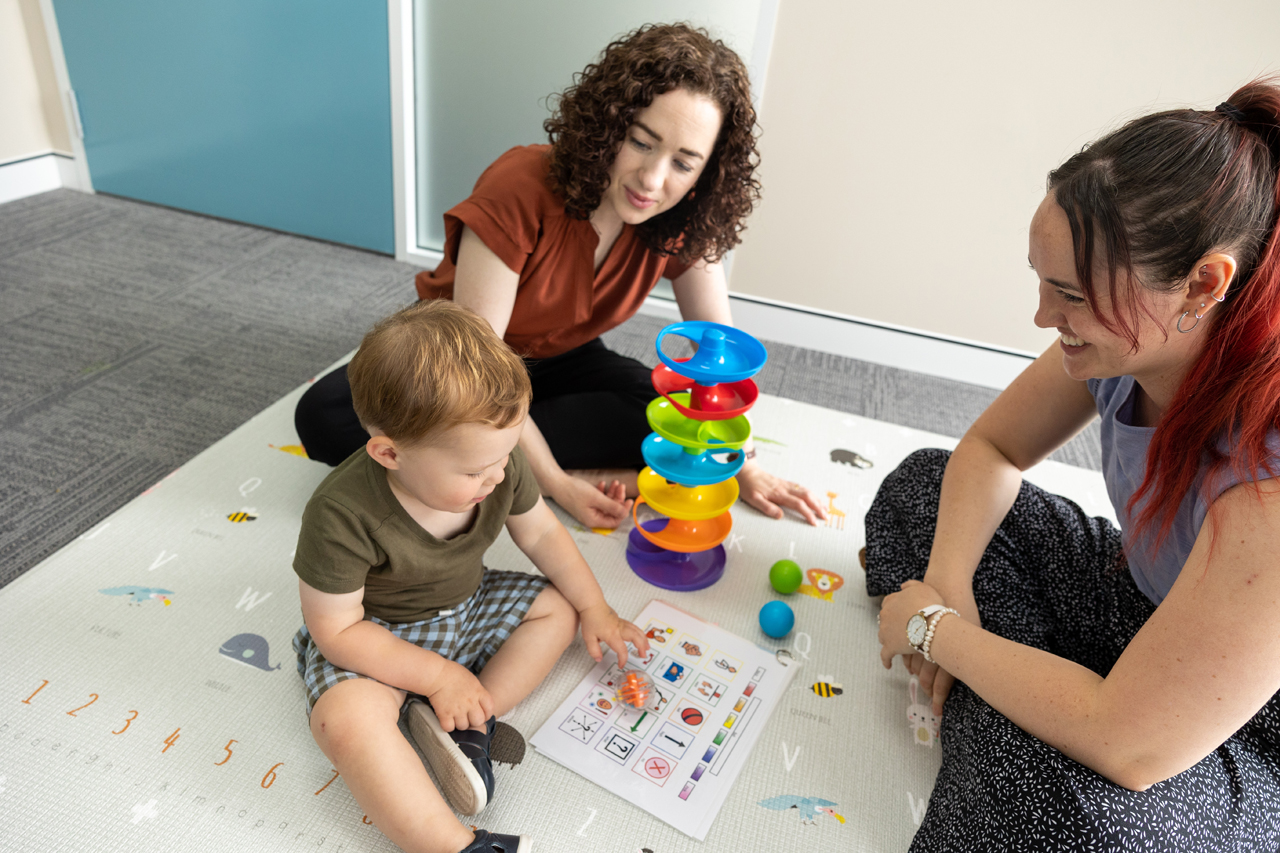
In this blog, you can read about one of the most common tools used in the autism diagnostic process – the Autism Diagnostic Observation Schedule.
Otitis media (OM), middle ear infection, represents a significant burden on children, their families, and the healthcare system. OM is the major cause of hearing loss in children and if left untreated in children who suffer chronic and recurrent forms of OM, this disease can have serious life-long sequelae.
This protocol describes bilateral murine tumor models that display a symmetrical yet dichotomous response to immune checkpoint blockade
High dose vitamin D supplementation is associated with a shift to a more inflammatory faecal microbiome and increased susceptibility to colitis

Researchers from Perth’s The Kids Research Institute Australia have developed a world-first screening tool that helps deliver smart drugs into cells to battle hard-to-treat diseases like cancer and Duchenne Muscular Dystrophy.
The largest survey ever undertaken of Aboriginal children and families has thrown new light on why most existing intervention programs are failing.