
Access to safe, secure, and stable housing is a well-known social determinant of health
Results indicate that early childhood education is beneficial for children's early development
In all six countries, child development scores increased with age and urban children consistently performed better than rural children
o help raise the profile of student wellbeing in the education system in Australia, The Kids Research Institute Australia and SA Department for Educa…
The Language in Little Ones (LiLO) study is a five-year longitudinal study (2017-2021), funded through the National Health and Medical Research Counc…
Results indicated the existence of SES gradients in early development in multiple domains in China, Mongolia, Papua New Guinea, Timor-Leste, and Vanu…
The New South Wales Child Development Study was established to enable a life course epidemiological approach to identifying risk and protective facto…
This study examined associations between maltreatment and early developmental vulnerabilities in a population sample of 68,459 children
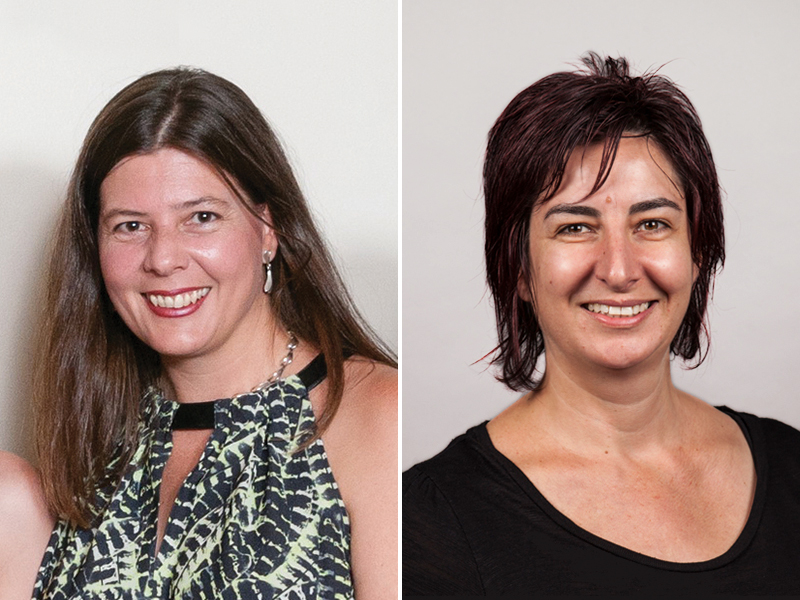
Two leading The Kids Research Institute Australia researchers will use more than $1.1 million in National Health and Medical Research Council funding…
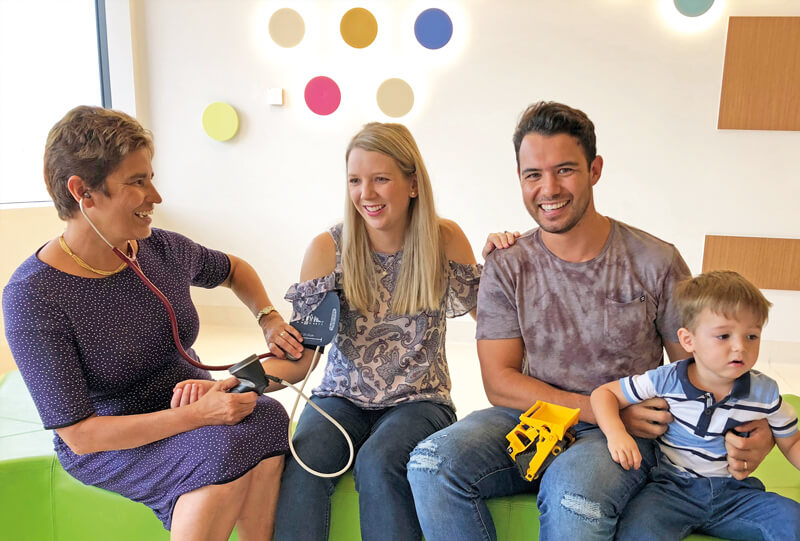
A Quinns Rocks family who became the 1000th family to sign up for the ORIGINS Project is excited to be contributing to such ground-breaking research.