
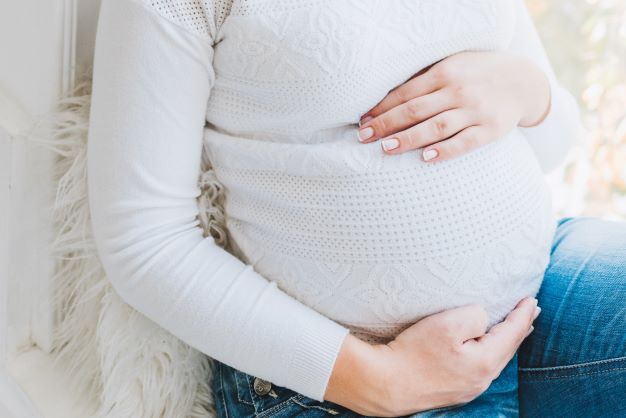
New collaborative research involving almost 600,000 pregnant mothers has demonstrated a dramatic increase in uptake of the whooping cough (pertussis)…
To describe and explore the relationship between weather and the unusual 2020 bronchiolitis season in Western Australia during the COVID-19 pandemic.
Influenza vaccination is recommended to protect mothers and their infants from influenza. Few studies have evaluated the association between maternal…
Obesity can increase the severity of influenza infection. Data are limited regarding immune responses to influenza vaccination in obese children. We…

The FluBub Study will investigate whether giving the flu vaccine much earlier than the six months currently recommended by the National Immunisation…
Healthcare personnel (HCP) are a priority group for annual influenza vaccination. Few studies have assessed the validity of recall of prior influenza…
Influenza is a common cause of acute respiratory infection, and is a major cause of morbidity and mortality. Coronavirus disease 2019 (COVID-19) is a…
This report summarises the epidemiology of hospitalisations with laboratory-confirmed influenza during the 2019 influenza season. The Influenza Compl…
Few studies have evaluated the effect of maternal influenza vaccination on the development of allergic and autoimmune diseases in children beyond 6 m…