
Search
To better characterise prematurity-associated lung disease, adult spirometry phenotype classifications (obstructive lung disease, preserved ratio impaired spirometry and dysanapsis) have been applied to children born preterm. It is unknown how these phenotypes track over time.
Trans and gender diverse (trans) young people experience higher rates of physical and mental ill-health due to chronic exposure to gender minority stress. Consequently, trans young people report higher health and mental healthcare service utilisation. Disconcertingly, negative experiences of healthcare services are prevalent among trans young people, especially those with additional marginalised identities and backgrounds who experience multiple forms of marginalisation.
Young people must be central to health response design to ensure they are relevant and effective. It requires a clearer understanding of the opportunities and expectations surrounding youth engagement. Therefore, this study aims to gain a deeper understanding of the health priorities of young adults residing in South Australia and their engagement in the design of health programmes.
First Nations women in Australia continue to experience disproportionately adverse maternal and infant outcomes. The ongoing legacy of colonisation and systemic racism shapes these outcomes. In the Australian Capital Territory (ACT), maternity services remain dominated by Western biomedical approaches that fail to deliver culturally safe and anti-racist care despite national standards that mandate such practices.
Characterised by varying degrees of difficulties in communication skills and social abilities, one in every 100 individuals will have a diagnosis of an autism spectrum condition. While autism is known to run in families, the exact causes remain unknown.
Developmental Coordination Disorder is a lifelong disability impacting most aspects of daily living that involve movement. With an estimated prevalence of ~5% of children, the disorder affects an average of one to two children in every Australian classroom.
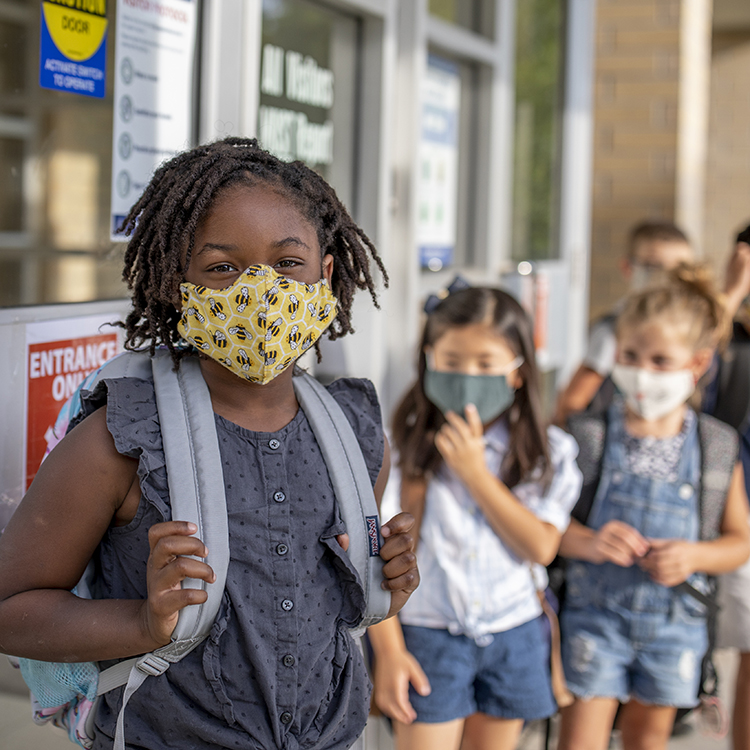
While COVID-19 is new and frightening, these resources are designed to help families tackle the challenges this virus has created for us.
One in eight children have asthma, a chronic disease of the airways in the lungs. It results in shortness of breath, chest tightness, wheezing and coughing.
Bronchiolitis is a respiratory infection, usually occurring in babies under six months of age. It causes them to wheeze and can lead to pneumonia. Researchers are focusing on vaccines against the virus which commonly causes it.
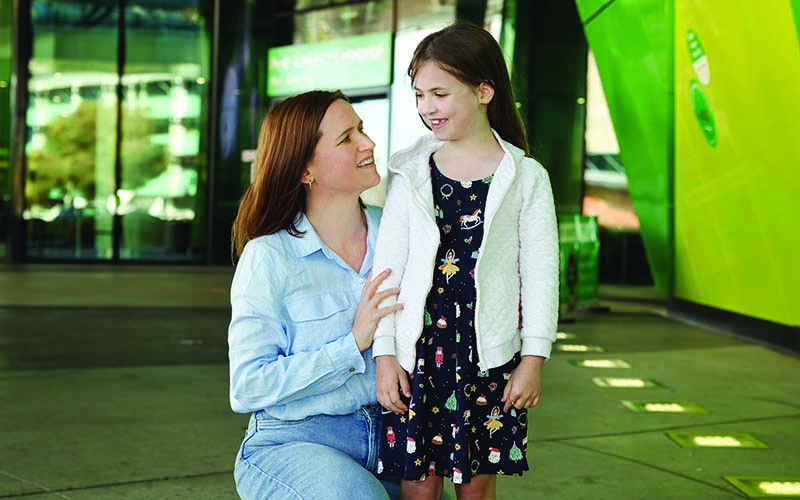
In late 2022, six-year-old Megan Hutton was living the dream of many kids her age as she celebrated being named runner-up champion athlete at her school sports carnival.