
Group A streptococcal (GAS) pharyngitis has traditionally been considered the sole precursor of acute rheumatic fever (ARF). Evidence from Australia,…
The proportion of births via cesarean section (CS) varies worldwide and in many countries exceeds WHO-recommended rates. Long-term health outcomes fo…
There is no consensus about which outcomes should be evaluated in studies of pulmonary exacerbations in people with cystic fibrosis (CF). Outcomes us…

Findings from The Kids Research Institute Australia’s ‘Ear Explorers’ real-life research project undertaken as part of the 2019 Telethon weekend, fou…
Households are known to be high-risk locations for the transmission of communicable diseases. Numerous modelling studies have demonstrated the import…
Invasive pneumococcal disease remains a major cause of hospitalization and death in Papua New Guinean (PNG) children. We assessed mucosal IgA and IgG…
Otitis media is very common in Aboriginal children in Western Australia and chronic ear disease causes major problems in speech and language developm…
Prevalence of impetigo (skin sores) remains high in remote Australian Aboriginal communities, Fiji, and other areas of socio-economic disadvantage. S…
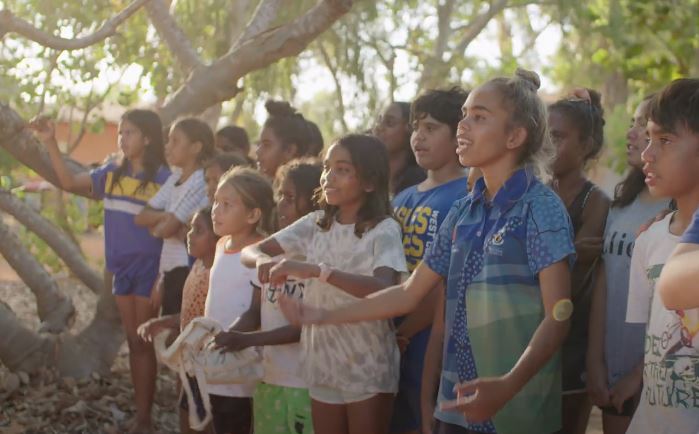
The Kids Research Institute Australia researchers have launched the Hip Hop 2 SToP video featuring school kids participating in their SToP Trial proj…
Safe, highly curative, short course, direct acting antiviral (DAA) therapies are now available to treat chronic hepatitis C. DAA therapy is freely av…