
Search
Research
How can modeling responsibly inform decision-making in malaria?When models are used to inform decision-making, both their strengths and limitations must be considered. Using malaria as an example, we explain how and why models are limited and offer guidance for ensuring a model is well-suited for its intended purpose.
Research
Malaria treatment for prevention: a modelling study of the impact of routine case management on malaria prevalence and burdenTesting and treating symptomatic malaria cases is crucial for case management, but it may also prevent future illness by reducing mean infection duration. Measuring the impact of effective treatment on burden and transmission via field studies or routine surveillance systems is difficult and potentially unethical. This project uses mathematical modeling to explore how increasing treatment of symptomatic cases impacts malaria prevalence and incidence.
Research
An anti-junk food ad from a sports commercial break reduced junk food consumption inclinations, yet junk food ads had minimal to no impactIn Australia, there are concerns that unrestricted junk food advertising during sports broadcasts increases short-term junk food consumption among viewers. Therefore, the present study aimed to estimate the impact of junk food and anti-junk food advertising on consumption inclinations.
Research
Real-world glycaemic outcomes in children and young people on advanced hybrid closed-loop therapy: A population-based study in Western AustraliaTo evaluate real-world glycaemic outcomes in children with type 1 diabetes commencing advanced hybrid closed loop therapy and to explore these outcomes based on the cohort's clinical and socioeconomic characteristics.
Research
Priority setting: Development of the South Australian Aboriginal Chronic Disease Consortium RoadMap for ActionAboriginal and Torres Strait Islander (Aboriginal) people in South Australia are overburdened by cardiovascular disease, diabetes and cancer. The South Australian Aboriginal Chronic Disease Consortium (Consortium) was established in June 2017 as a collaborative partnership to lead the implementation of three state-wide chronic disease plans using a strategic approach to identifying key priority areas for action.
Research
Key elements of Goal-Directed Training for children with cerebral palsy: A qualitative content analysisGoal-directed training is an evidence-based occupational therapy intervention for children with cerebral palsy targeting motor performance and goal attainment. There is variability and limited description on goal-directed training delivery within the studies who found it a successful intervention. The aim of this study was to establish the who, what, why and how of goal directed training according to practicing occupational therapists.
Research
Codesigning enhanced models of care for Northern Australian Aboriginal and Torres Strait Islander youth with type 2 diabetes: study protocolPremature onset of type 2 diabetes and excess mortality are critical issues internationally, particularly in Indigenous populations. There is an urgent need for developmentally appropriate and culturally safe models of care. We describe the methods for the codesign, implementation and evaluation of enhanced models of care with Aboriginal and Torres Strait Islander youth living with type 2 diabetes across Northern Australia.
Research
Community perspectives on the appropriateness and importance of support goals for young autistic childrenResearchers do not know much about what autistic adults, parents and professionals think about support goals for young autistic children. People's views of support goals might also be influenced by their beliefs about early support more generally. This survey involved 87 autistic adults, 159 parents of autistic children and 80 clinical professionals living in New Zealand and Australia.
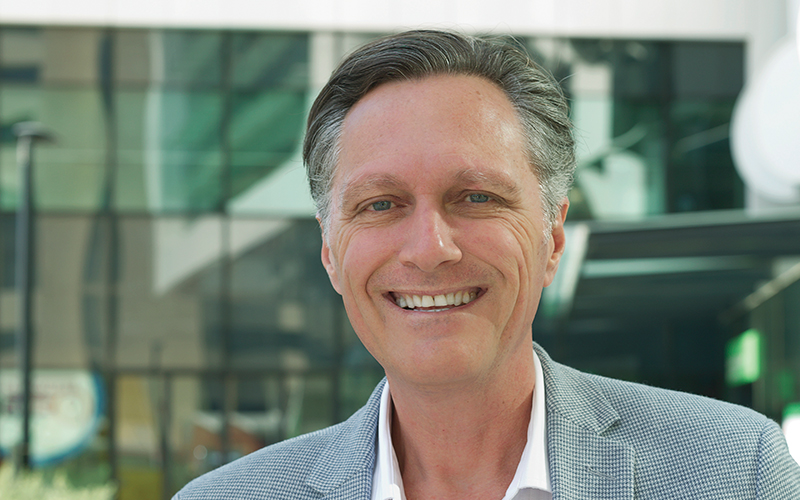
Professor Jonathan Carapetis has made eliminating rheumatic heart disease his life’s work.
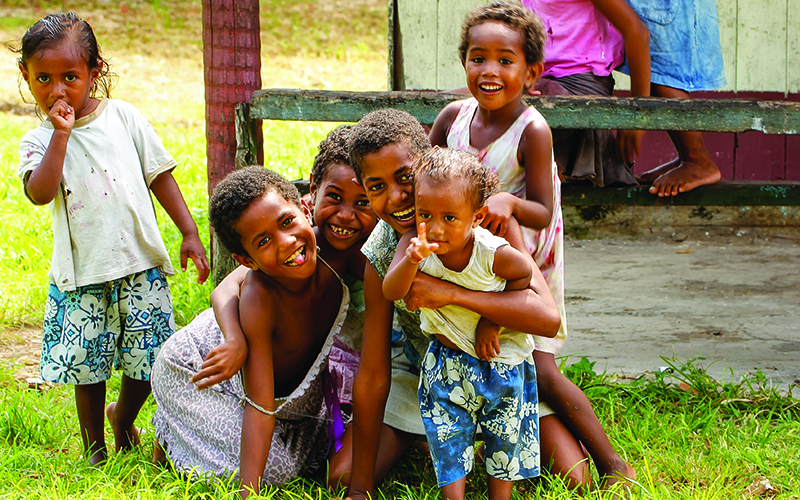
Children in the tiny Pacific nation of Tuvalu face a unique threat that should be a wake-up call to other countries across the world.