
Search
Showing results for "Study of bullying"
This report presents the evaluation findings of headspace, a service to improve the mental health and social and emotional wellbeing of young people
Our findings highlight the need to consider age, ethnicity, seasonality and climate when evaluating rotavirus vaccine programs.
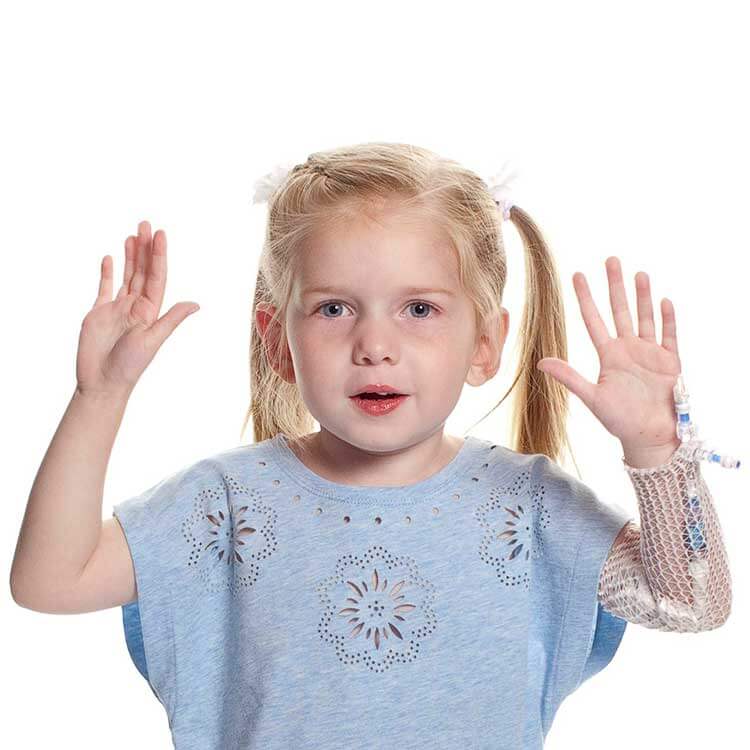
The Advancing Innovation in Respiratory (AIR) Health Team is a multi-disciplinary group with skills in clinical medicine, physiology, psychology, and in cellular and molecular biology, that are committed to improving the lives of children with respiratory diseases and their families.
The interaction of genetic and environmental contributions to immunological traits and their association with atopic disease remain unclear. Flow cytometry and in vitro cytokine responses were used to characterize immune profiles from 93 school-aged twin pairs. Using an established twin pair analytical strategy, the genetic and environmental influences on immunological traits were evaluated, along with their association with atopy. Our findings suggest strong genetic influence on several traits, particularly B cell abundance. In contrast, cytokine responses from in vitro stimulations appeared mainly shaped by environmental exposures.
The Influenza Complications Alert Network (FluCAN) is a sentinel hospital-based surveillance programme operating in all states and territories in Australia
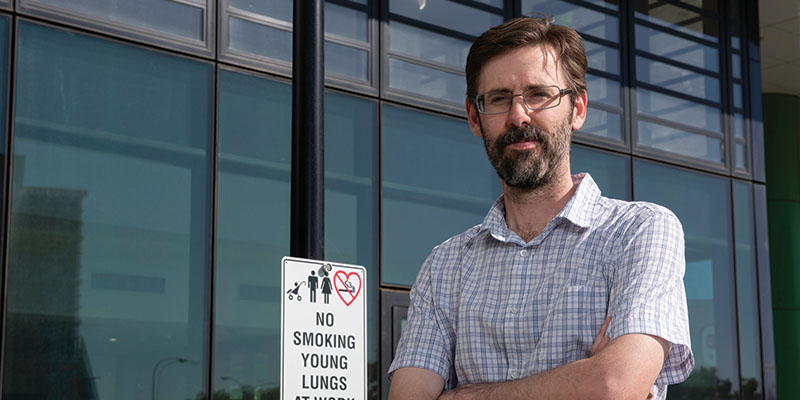
Telethon Kids Institute-led research revealing that six out of 10 nicotine free e-cigarette liquids contained nicotine and other potentially harmful chemicals.
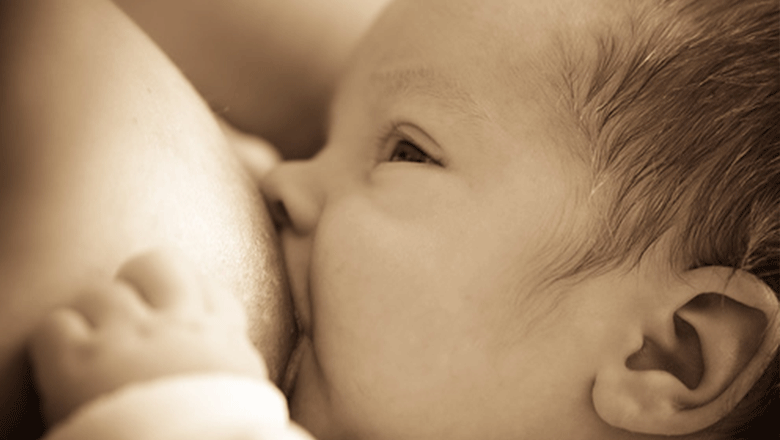
As a child health researcher, I'm often asked by new Mums what's the best thing they can do for their babies? And my answer is always the same, breastfeed.

A new study has confirmed the changing pattern of meningococcal disease in Western Australia.
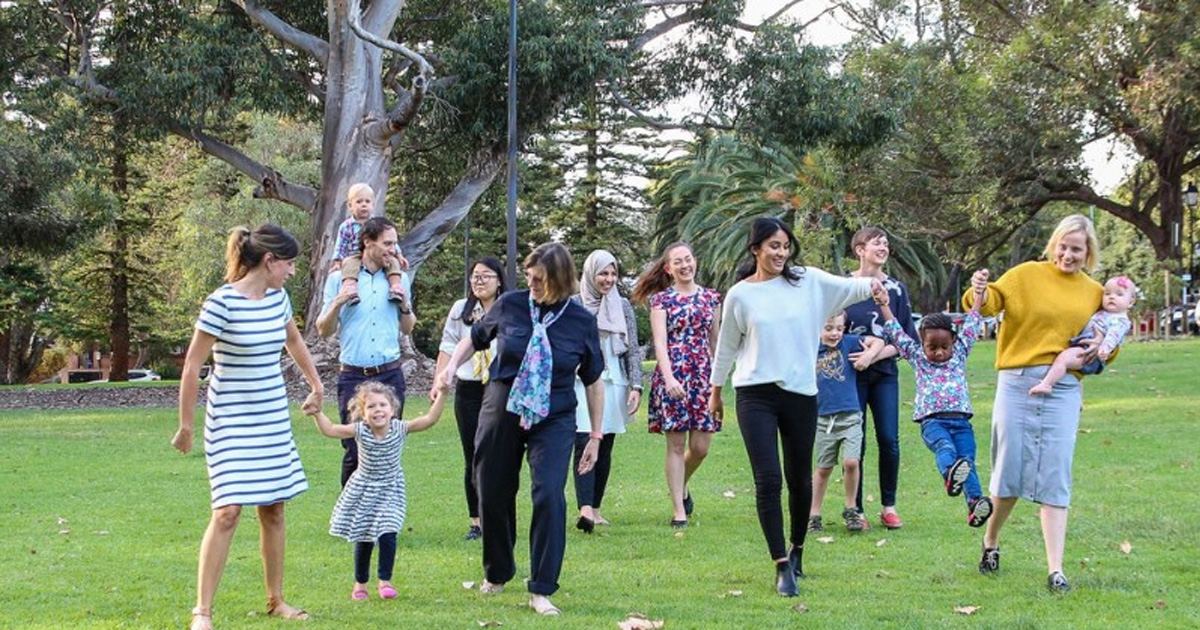
A project to uncover treatable traits to improve the lung health of people born preterm has been made possible thanks to a $1.99 million Medical Research Future Fund (MRFF) grant.
Diagnosing urinary tract infections (UTIs) in children in the emergency department (ED) is challenging due to the variable clinical presentations and difficulties in obtaining a urine sample free from contamination.