
Search
Showing results for "Study of bullying"

The Youth Mental Health team’s vision is to improve the mental health of young people, their families and communities locally, nationally, and internationally.
Each day of school missed makes a difference, with the effect on learning accumulating over time. From an early age, if children are taught that they need to 'show up' for school and make a commitment, this positive mentality aids academic and career success and brings benefits in adulthood.
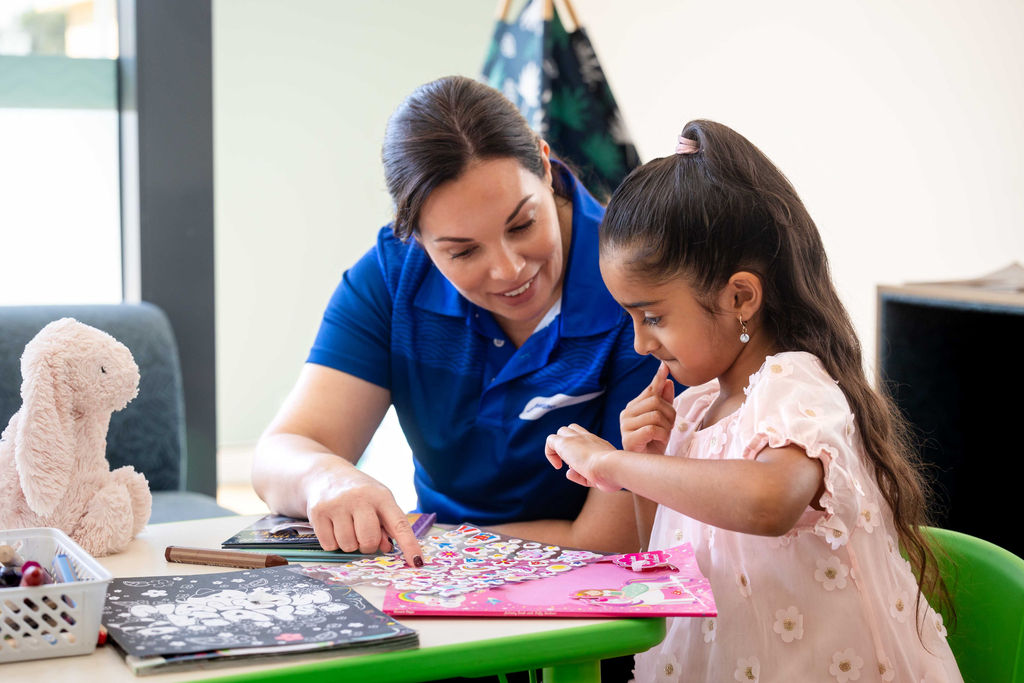
By participating in ORIGINS, you are contributing to one of the largest and most comprehensive birth cohort studies in Australia.
In adolescents with type 1 diabetes, hypoglycemia does not impair arousal from slow-wave sleep induced by an external auditory stimulus.
Neonatal sepsis remains one of the key challenges of neonatal medicine, and together with preterm birth, causes almost 50% of all deaths globally for children younger than 5 years. Compared with advances achieved for other serious neonatal and early childhood conditions globally, progress in reducing neonatal sepsis has been much slower, especially in low-resource settings that have the highest burden of neonatal sepsis morbidity and mortality.
Immune checkpoint therapy (ICT) results in durable responses in individuals with some cancers, but not all patients respond to treatment. ICT improves CD8+ cytotoxic T lymphocyte (CTL) function, but changes in tumor antigen-specific CTLs post-ICT that correlate with successful responses have not been well characterized. Here, we studied murine tumor models with dichotomous responses to ICT.
The Kids research has uncovered likely mechanisms for the link between arsenic in drinking water and higher risk of developing chronic lung disease.
SETBP1 Haploinsufficiency Disorder (SETBD) is characterised by mild to moderate intellectual disability, speech and language impairment, mild motor developmental delay, behavioural issues, hypotonia, mild facial dysmorphisms, and vision impairment. Despite a clear link between SETBP1 mutations and neurodevelopmental disorders the precise role of SETBP1 in neural development remains elusive.
The epithelium is integral to the protection of many different biological systems and for the maintenance of biochemical homeostasis. Emerging evidence suggests that particular children have epithelial vulnerabilities leading to dysregulated barrier function and integrity, that resultantly contributes to disease pathogenesis.
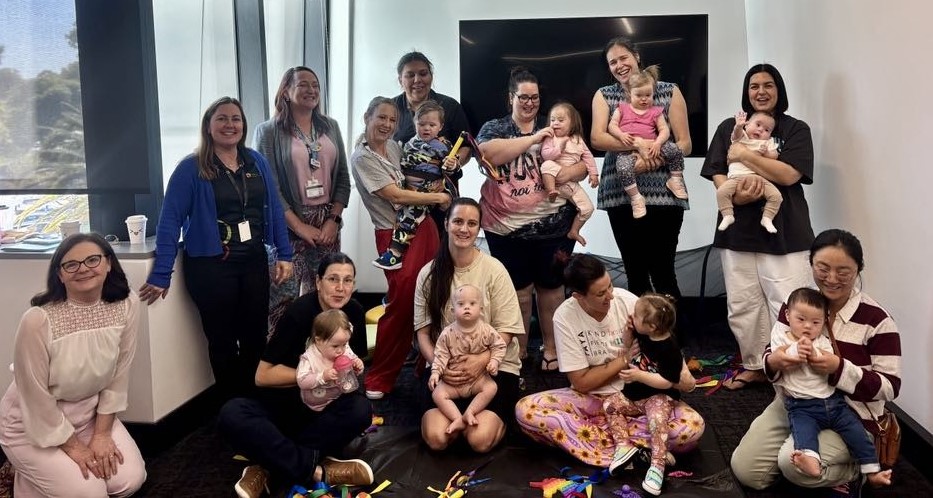
Researchers from the Wesfarmers Centre of Vaccines and Infectious Diseases, based at The Kids Research Institute Australia, are partnering with Down Syndrome WA to learn more about how respiratory syncytial virus, or RSV, affects children with increased medical vulnerability.