
Search
Physical activity can support physical and mental health among children living with chronic health conditions; however, programmes must be tailored to their specific needs to support participation.
While parenting self-efficacy and broader autism phenotype (BAP) have been linked to caregiver depression, anxiety and stress at specific points in time, their influence on longer-term mental health trajectories remains unknown, especially for caregivers who participate in support programs for their infants with very-early autistic features.
Enteroviruses (EVs) have long been implicated in the development of islet autoimmunity (IA) and type 1 diabetes. However, given the ubiquity of EV infections in children, disease susceptibility is likely driven by host-specific immune responses rather than viral exposure alone.
Rishi S. Kotecha MB ChB (Hons) MRCPCH FRACP PhD Co-Head, Leukaemia Translational Research rishi.kotecha@health.wa.gov.au Co-Head, Leukaemia
The potential implementation of early type 1 diabetes (T1D) detection pathways, encompassing autoantibody screening and longitudinal monitoring, raises important psychosocial considerations for ethical, person-centred care. This review summarises evidence on the psychosocial impact of early T1D detection, identifying key evidence gaps and recommendations for integrating psychosocial support.
The prevalence of allergic diseases across the Australian population, in all regions and age groups, is not well documented. This study aimed to describe the prevalence and distribution of five allergic diseases (allergic rhinitis, asthma, drug allergy, eczema, and food allergy) and examine differences by sociodemographic factors.
Observable signs of clinical deterioration may present differently in children with dark-coloured skin, leading to potential missed or delayed recognition. It is unknown how health professionals approach assessment in children with dark-coloured skin.
The developing hippocampus is particularly sensitive to early environmental influences, including during pregnancy. This longitudinal neuroimaging study examined associations between prenatal maternal physical activity and depression, maternal education, and hippocampal development from early childhood to early adolescence.
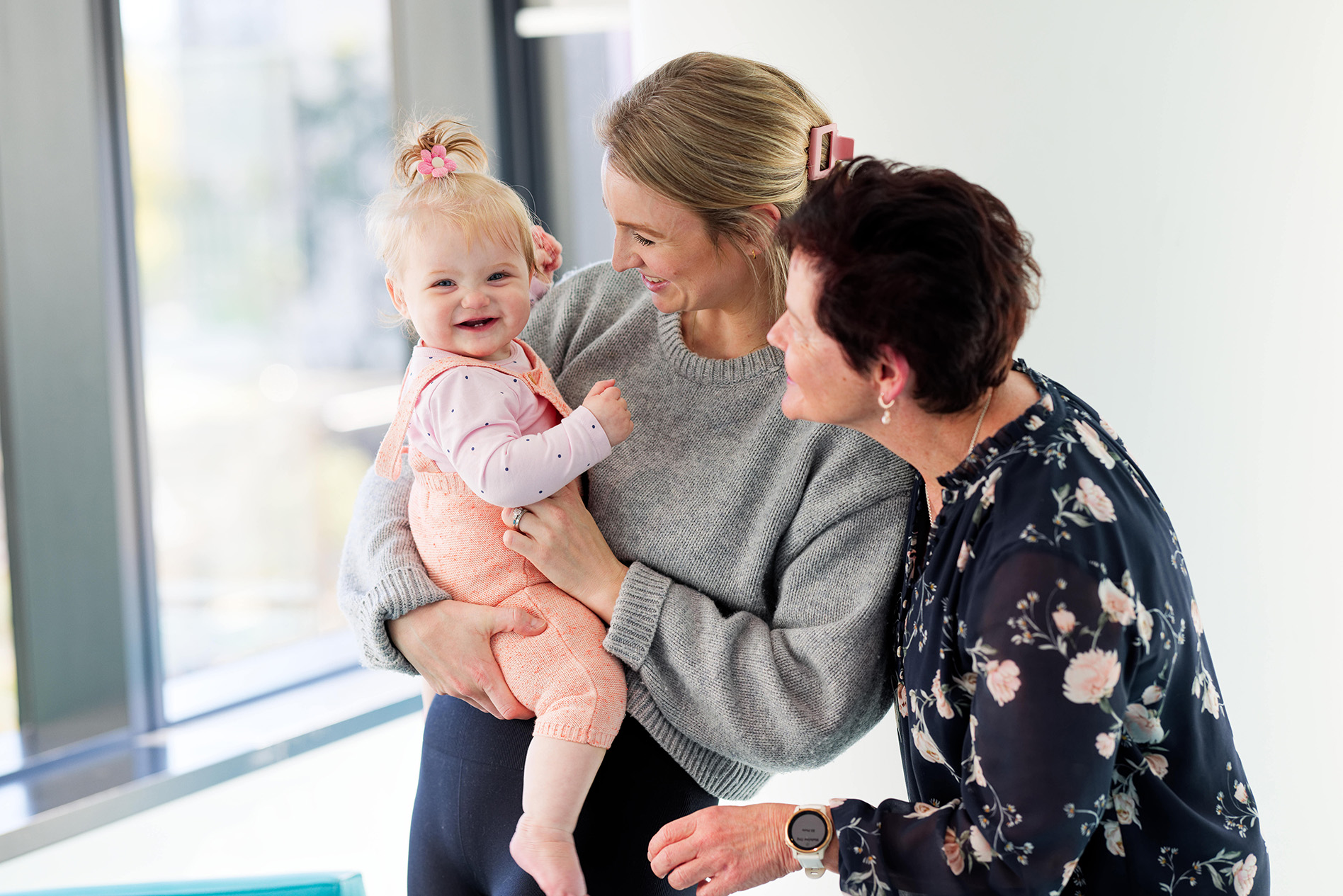
RSV hospitalises millions of babies worldwide every year: our research is helping to change that.
Pneumococcal conjugate vaccine (PCV) prevents pneumococcal disease and pneumonia, but indirect effects are poorly understood in low-coverage, high-burden settings like Papua New Guinea (PNG). PNG introduced 13-valent PCV (PCV13) in 2014. We aimed to assess direct and indirect effectiveness of PCV13 against vaccine-type pneumococcal carriage among children with pneumonia or suspected meningitis in PNG