
Search
Showing results for "Study of bullying"
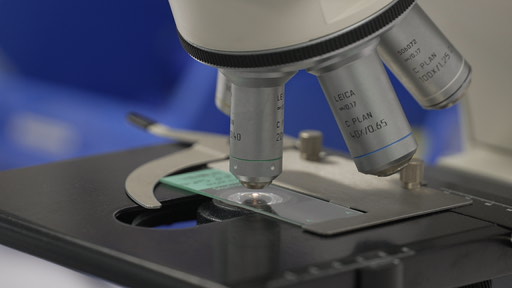
The Kids Research Institute Australia is equipped with a diverse range of histology and microscopy equipment and analysis software to facilitate state-of-the-art imaging.
Staphylococcus aureus bloodstream (SAB) infection is a common and severe infectious disease, with a 90-day mortality of 15%-30%. Despite this, <3000 people have been randomized into clinical trials of treatments for SAB infection.
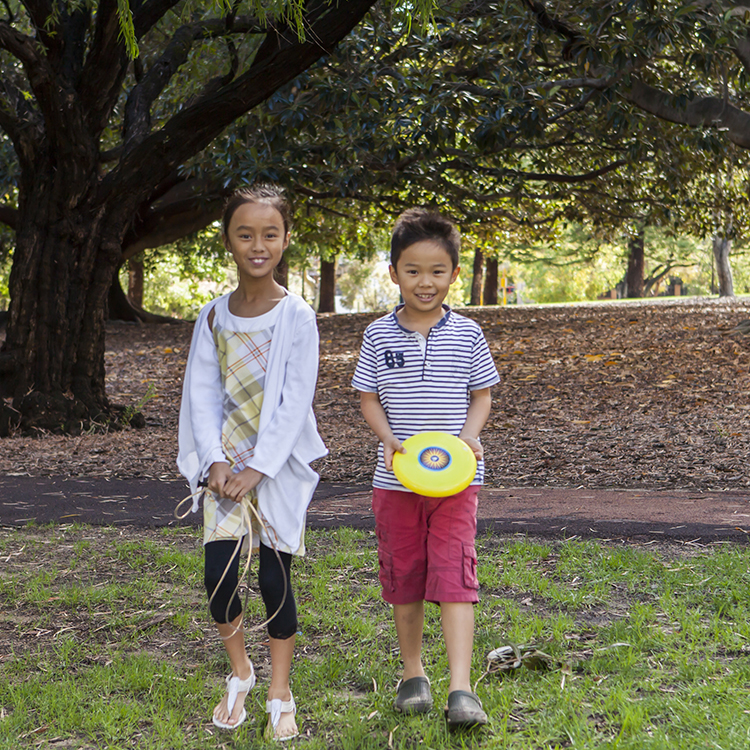
Our Child Health Analytics Team uses cutting-edge technologies to better understand how and why the health and wellbeing of children varies from place to place. We develop innovative geospatial methods that can harness large, complex datasets to pinpoint hotspots of elevated risk, evaluate change through time, and explore underlying drivers.
A vaccine that prevents GAS cellulitis and other skin infections, in addition to throat infections, would maximise its value and commercial viability
Given the beneficial effect of infant rotavirus vaccination efforts should be taken to optimize rotavirus vaccine coverage in those at highest risk
Sleep disturbance is a common and significant issue for individuals with CDKL5 Deficiency Disorder (CDD) and their families. The study aimed to investigate experiences of sleep disturbance in CDD and associated factors.
Prader-Willi Syndrome (PWS) is a rare genetic disorder associated with emotional/behavioral disturbances. These difficulties are well documented in the literature, but the positive attributes of these individuals are not described.
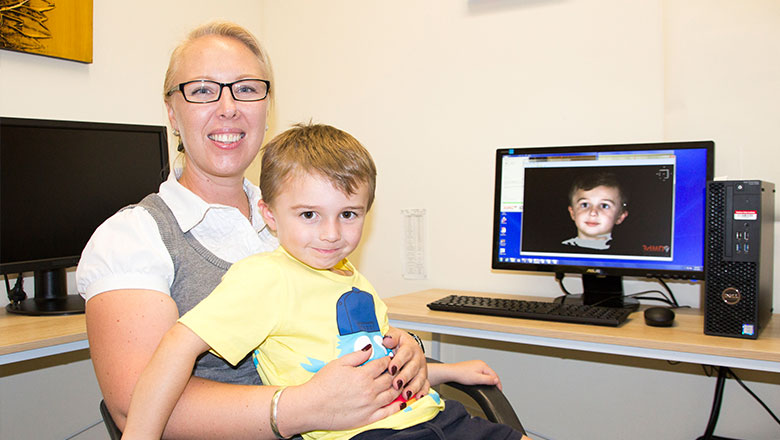
Can you see signs of autism in a child's facial features? Telethon Kids researchers have acquired new face scanning technology to help answer this question.
Developmental and epileptic encephalopathies (DEE) are rare, often monogenic neurodevelopmental conditions. Most affected individuals have refractory seizures. All have multiple severe impairments which can be as life-limiting as or more limiting than the seizures themselves. Mechanism- and gene-targeted therapies for these individually rare, genetic conditions hold hope for treatment, amelioration of disease expression, and even cure.
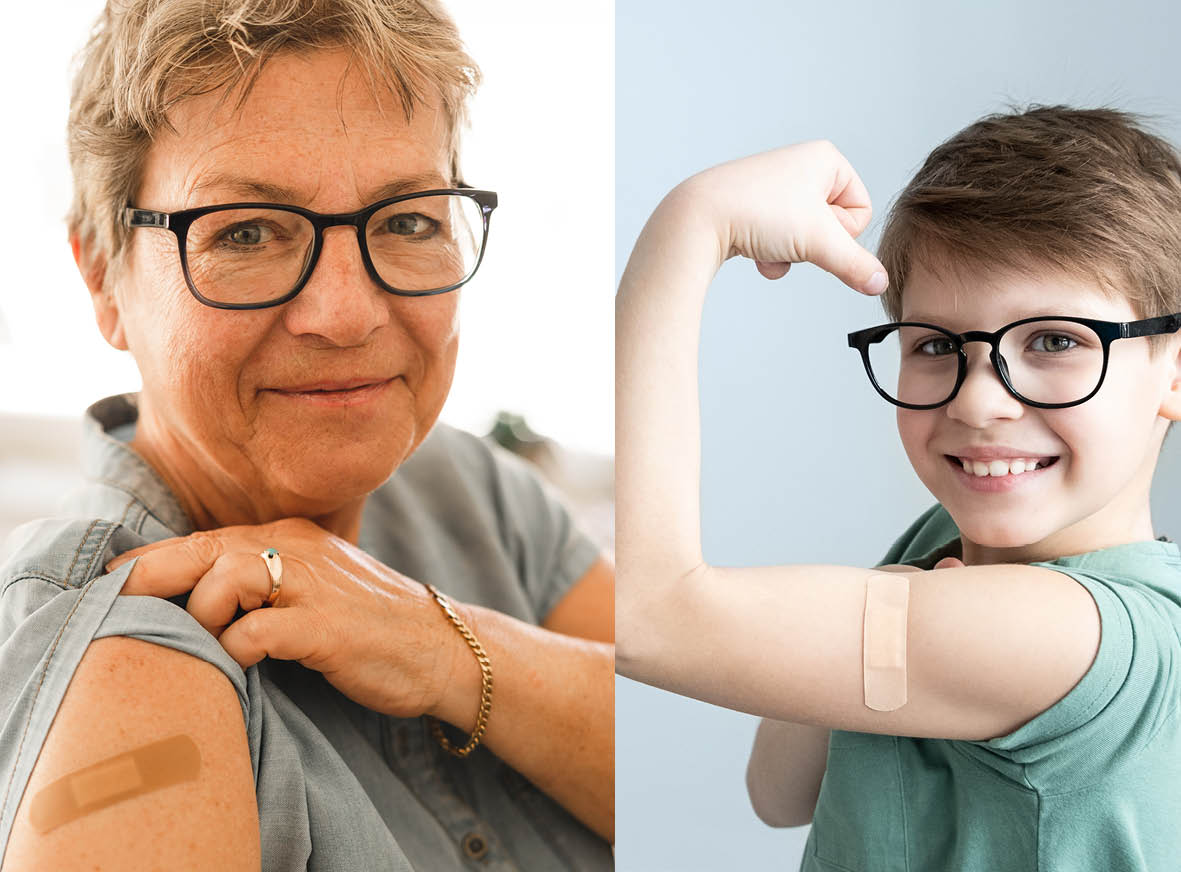
Optimising our national Covid-19 vaccine program could be one step closer thanks to new research now underway at The Kids Research Institute Australia investigating the most effective, long-term strategies for booster vaccinations.