
Search
Showing results for "Study of bullying"
We want to better understand the relationship between parents/carers and their children who identify as trans or gender diverse with the aim of improving the well-being of the whole family.
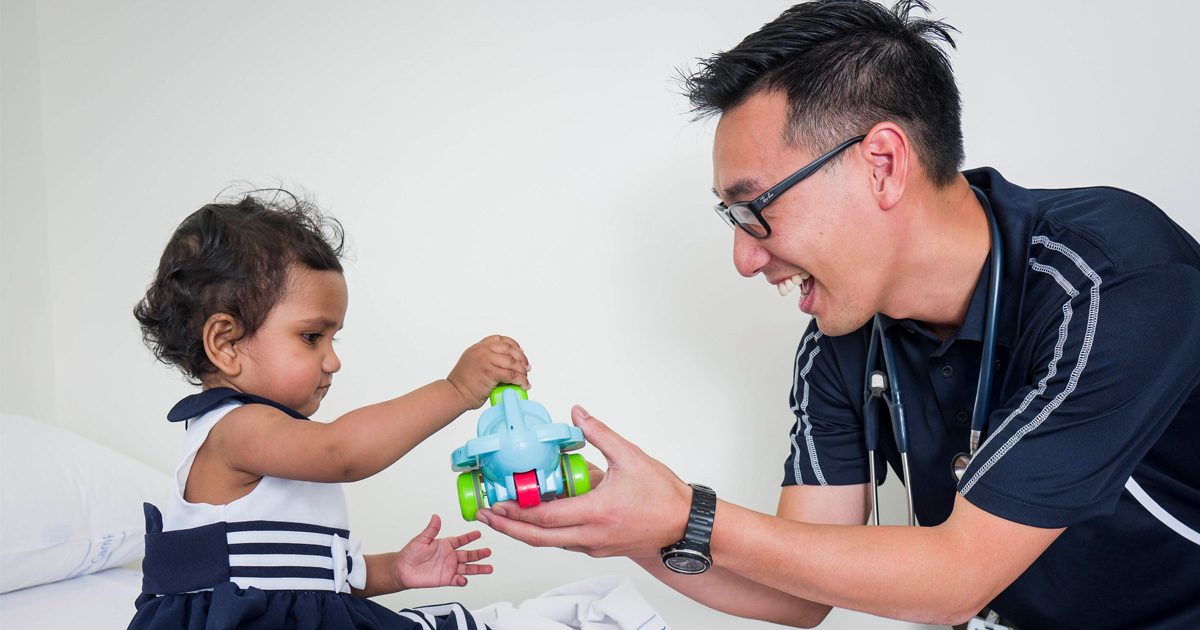
A third of Western Australian one-year-olds and up to two thirds of three-year-olds have low iron, a study by The Kids Research Institute Australia has found.
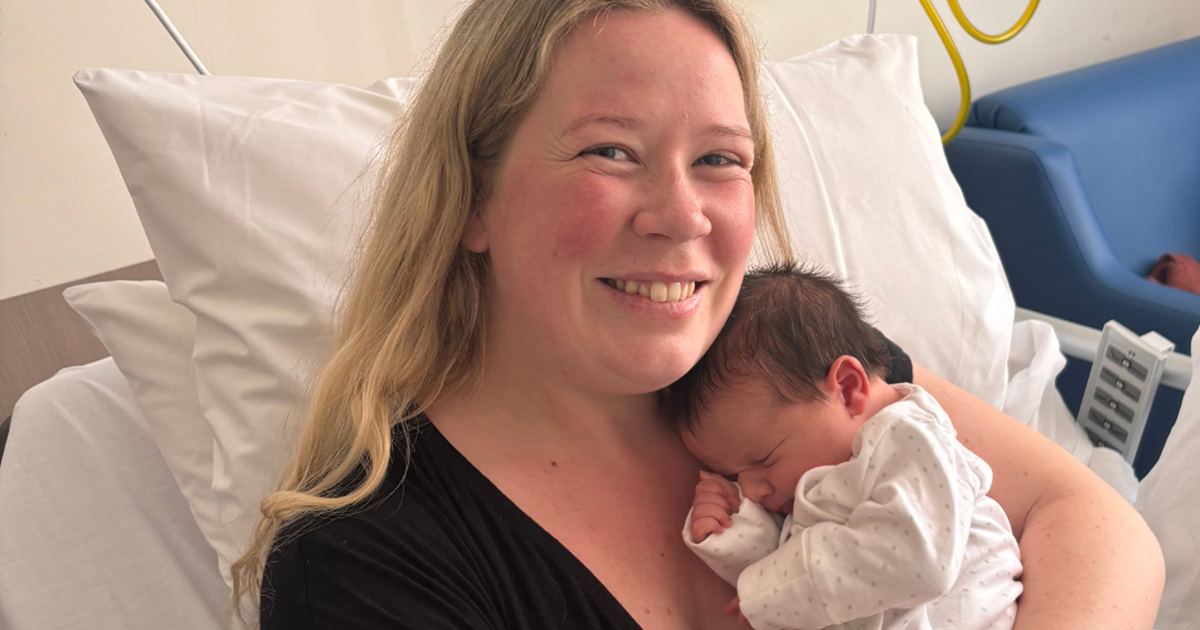
Australia’s biggest longitudinal study following the health and wellbeing of children from their conception through to childhood, has welcomed its 10,000th and final participant.
Our results suggest that reciprocal influences between alpha1-adrenoceptors and inflammatory cytokines may play a role in normal inflammatory responses
Our findings demonstrate that Ultra-High-Risk groups evidence a similar clinical risk profile when we expand this beyond transition to psychosis
This paper outlines practical tips for inclusive healthcare practice and service delivery, covering diversity aspects and intersectionality. A team with wide-ranging lived experiences from a national public health association's diversity, equity, and inclusion group compiled the tips, which were reiteratively discussed and refined. The final twelve tips were selected for practical and broad applicability.
Sex hormones, such as oestrogen and testosterone, display significant immune modulatory properties. This is highly relevant for transgender (trans) people who undergo gender-affirming hormone (GAH) treatment. However, only a limited number of studies have evaluated the immunological impact of GAH treatments, and almost none have assessed the impact in trans young people.
Bronchiectasis is a chronic lung disease that impairs quality of life and reduces life expectancy.
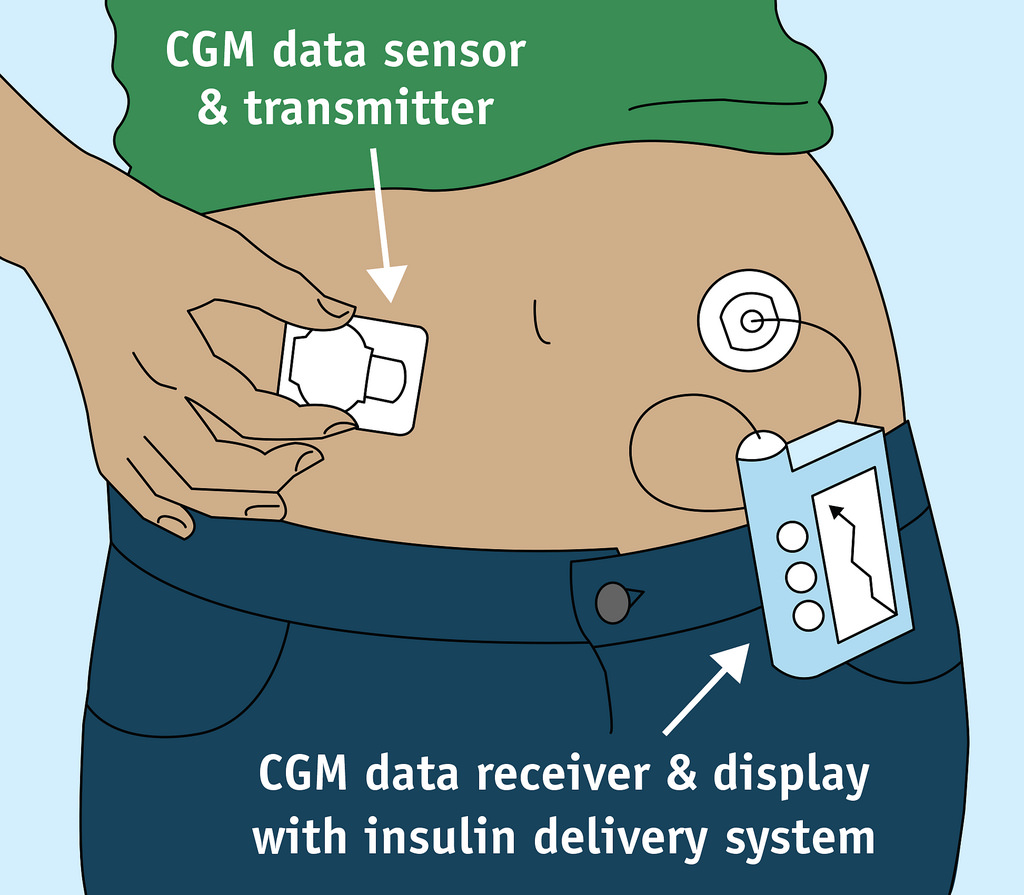
Children with Type 1 Diabetes (aged eight to 12 years) are needed for a new trial into Continuous Glucose Monitoring (CGM) and exercise.
This study assessed the relationship between maternal working hours and stunting, underweight and obesity in children under age 5 in China, using data from the China Nutrition and Health Survey (CNHS) conducted in 2002 and multivariable logistic regression. We found that maternal work hours 25–40 or >40 h per week were associated with a higher risk for underweight and stunting (under growth) in children under age 5.