
Search
Showing results for " https://www.galaxus.ch/en/sector/showdiscussion/360hack360-com-visit-kunghaccom-whd8eez7-223334"
This natural experiment investigated the influence of early childhood education and care outdoor physical environment upgrade on preschoolers' physical activity
Hayley Christian BSc (1st Class Hons), PhD (Distinction) W.Aust. Head, Child Physical Activity, Health and Development; Ascend Senior Research Fellow
Young children are no exception when it comes to the importance of friendships and social interaction for maintaining good health and well-being. This COVID-19 research project involves surveying parents and monitoring how their young children are coping during this time of social distancing.
Type I regulatory (Tr1) cells are defined as FOXP3-IL-10-secreting clusters of differentiation (CD4+) T cells that contribute to immune suppression and typically express the markers LAG-3 and CD49b and other co-inhibitory receptors. These cells have not been studied in detail in the context of the resolution of acute infection in the lung.
Despite immense benefits of physical activity on health and developmental outcomes, few children achieve recommended daily levels of physical activity. Given more than half of families with children own a dog, we investigated the effect of a mobile health (mHealth) intervention to encourage dog-facilitated physical activity through increased family dog walking and children's active play with their dog.
The influence of the neighbourhood built environment on young children's physical development has been well-documented; however, there is limited empirical evidence of an association with social and emotional development. Parental perceptions of the neighbourhood built environment may act as facilitators or barriers to young children's play and interactions in their local environment. The aim of this study was to examine the associations between parents' perceptions of the neighbourhood built environment and the social-emotional development of children aged two-to-five years.
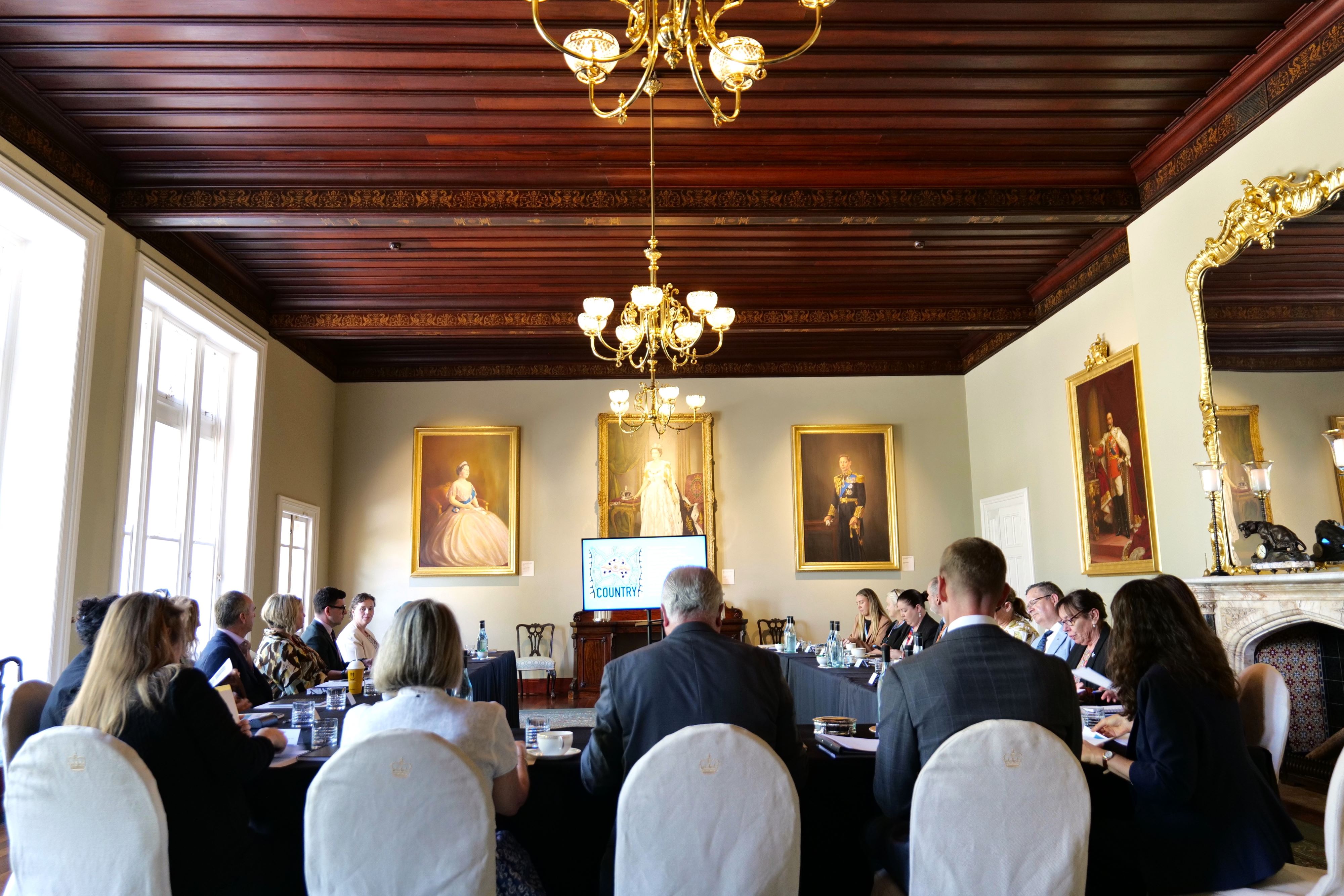
Embrace's Co-Directors have led a roundtable at Government House on the benefits of trauma-informed care
The BEACHES project aims to provide high quality evidence of aspects of the built environment which can be modified to reduce the negative impact on children’s physical activity, eating behaviours and weight status.

The health of the world’s 1.96 billion adolescents is at a critical tipping point.
The increasing need for speech and language therapy (SLT) services, coupled with poor employment retention rates, poses serious cost-benefit considerations.