
Search
Showing results for "Au"
Research
Dedicated paediatric Outpatient Parenteral Antimicrobial Therapy medical support: a pre-post observational studyWe examined the impact of introducing a dedicated team to OPAT, to define the role of increased medical oversight in improving patient outcomes in this cohort.
Research
Prevalence of Group A β-hemolytic Streptococcal Throat Carriage and Prospective Pilot Surveillance of Streptococcal Sore Throat in Ugandan School ChildrenThe Group A β-hemolytic Streptococcus pharyngeal carriage rates seen in Uganda (15.9%) are higher than the most recent pooled results globally, at 12%
Research
Comparison of three methods for the recovery of skin pathogens from impetigo swabs collected in a remote community of Northern Territory, AustraliaImmediate plating of impetigo swabs is the gold standard for bacterial recovery but is rarely feasible in remote regions.
News & Events
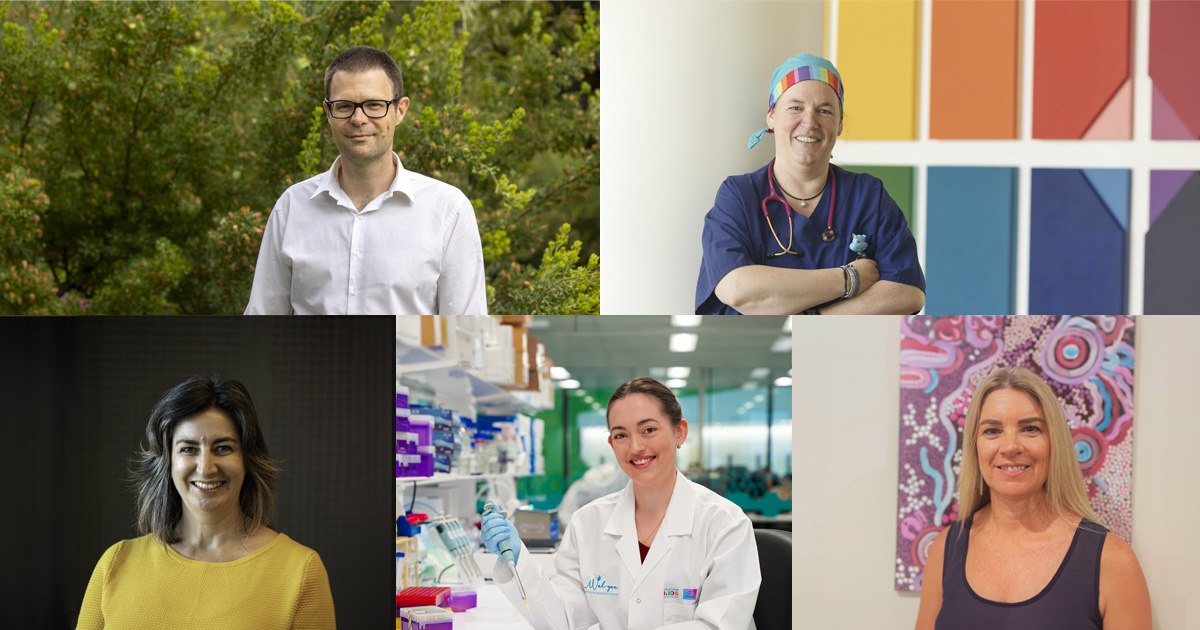
The Kids researchers named as finalists in 2023 Premier’s Science AwardsFive The Kids Research Institute Australia researchers working across diverse and highly impactful areas of child health research have been named as finalists for the 2023 Premier’s Science Awards.

Learn about those behind the LiLO research study
Research
END RHDEND RHD is an alliance of health, research and community organisations seeking to amplify efforts to end rheumatic heart disease in Australia through advocacy and engagement.
Research
Research priorities for the primordial prevention of acute rheumatic fever and rheumatic heart disease by modifying the social determinants of healthThe social determinants of health such as access to income, education, housing and healthcare, strongly shape the occurrence of acute rheumatic fever and rheumatic heart disease at the household, community and national levels.
Research
Culturally supported health promotion to See, Treat, Prevent (SToP) skin infections in Aboriginal children living in the Kimberley region of Western Australia: a qualitative analysisWhile there are many skin infections, reducing the burden of scabies and impetigo for remote living Aboriginal people, particularly children remains challenging. Aboriginal children living in remote communities have experienced the highest reported rate of impetigo in the world and are 15 times more likely to be admitted to hospital with a skin infection compared to non-Aboriginal children.
Research
Body distribution of impetigo and association with host and pathogen factorsImpetigo or skin sores are estimated to affect >162 million people worldwide. Detailed descriptions of the anatomical location of skin sores are lacking.
Research
The burden of atopic dermatitis and bacterial skin infections among urban-living Indigenous children and young people in high-income countries: A systematic reviewA high burden of bacterial skin infections is well documented in remote-living Indigenous children and young people in high-income countries.