
Search
Showing results for "Au"
Research
Global, regional, and national life expectancy, all-cause mortality, and cause-specific mortality for 249 causes of death, 1980–2015Globally, life expectancy from birth increased from 61·7 years in 1980 to 71·8 years in 2015

ORIGINS has sub-projects exploring the link between a mother's diet during pregnancy and health outcomes of the child. Projects also explore nutrition and eating habits during the early years.
Research
Barriers and enablers of health service utilisation for childhood skin infections in remote aboriginal communities of Western AustraliaHealth service utilisation in this setting may be enhanced by improving general awareness of the significance of childhood skin infections
Research
Modelling study of the ability to diagnose acute rheumatic fever at different levels of the Ugandan healthcare systemTo determine the ability to accurately diagnose acute rheumatic fever given the resources available at three levels of the Ugandan healthcare system.
Research
Increasing incidence of invasive group A streptococcal disease in Western Australia, particularly among Indigenous peopleThe incidence of invasive GAS disease in WA increased between 2000 and 2018, particularly among Indigenous Australians. Mandatory notification of invasive GAS disease would therefore be appropriate. The social determinants of differences in incidence should be addressed, and other relevant host, pathogen, and health system factors investigated.
Find out how The Kids Research Institute Australia works with Government to influence policy and practice.
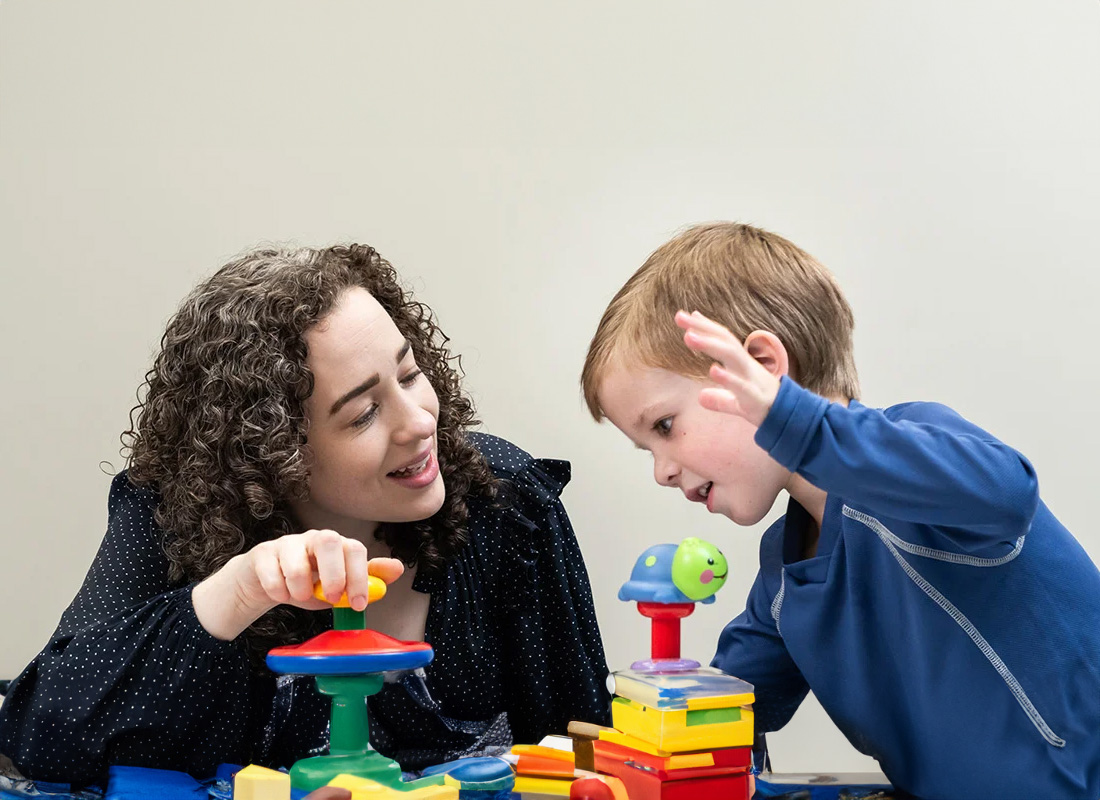
Sign up to the CliniKids Newsletter to receive the latest updates, stories, and invites to community events from CliniKids.

Learn about those behind the LiLO research study
Research
Culturally supported health promotion to See, Treat, Prevent (SToP) skin infections in Aboriginal children living in the Kimberley region of Western Australia: a qualitative analysisWhile there are many skin infections, reducing the burden of scabies and impetigo for remote living Aboriginal people, particularly children remains challenging. Aboriginal children living in remote communities have experienced the highest reported rate of impetigo in the world and are 15 times more likely to be admitted to hospital with a skin infection compared to non-Aboriginal children.
Research
Body distribution of impetigo and association with host and pathogen factorsImpetigo or skin sores are estimated to affect >162 million people worldwide. Detailed descriptions of the anatomical location of skin sores are lacking.