
Secondary prophylaxis to prevent rheumatic heart disease (RHD) progression, in the form of four-weekly intramuscular benzathine benzylpenicillin G (B…
Infection by group A Streptococcus (Strep A) results in a diverse range of clinical conditions, including pharyngitis, impetigo, cellulitis, necrotis…
Between 1964 and 1996, the 10-year survival of patients having valve replacement surgery for rheumatic heart disease (RHD) in the Northern Territory,…
The impact of mitral regurgitation from pediatric rheumatic heart disease and its effect on left ventricular remodeling and function following surgic…
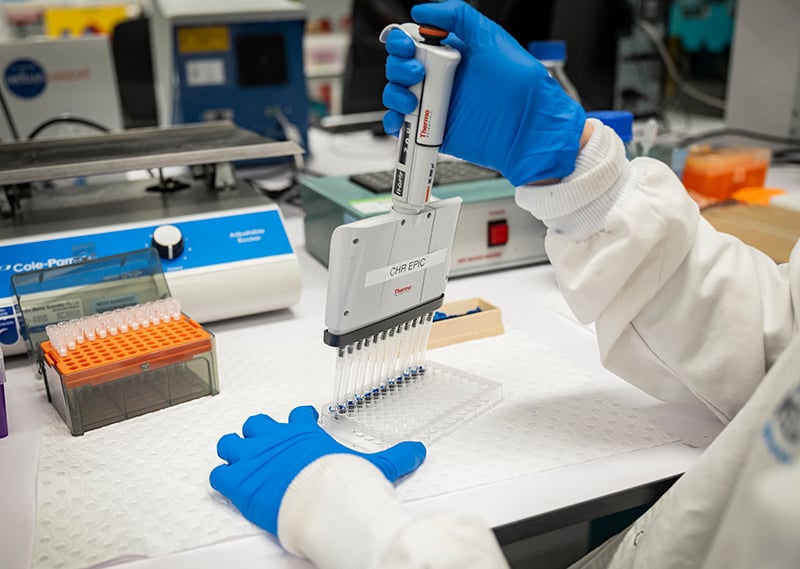
Researchers from The Kids Research Institute Australia have been awarded more than $11 million to support vital child health projects, under the Fede…
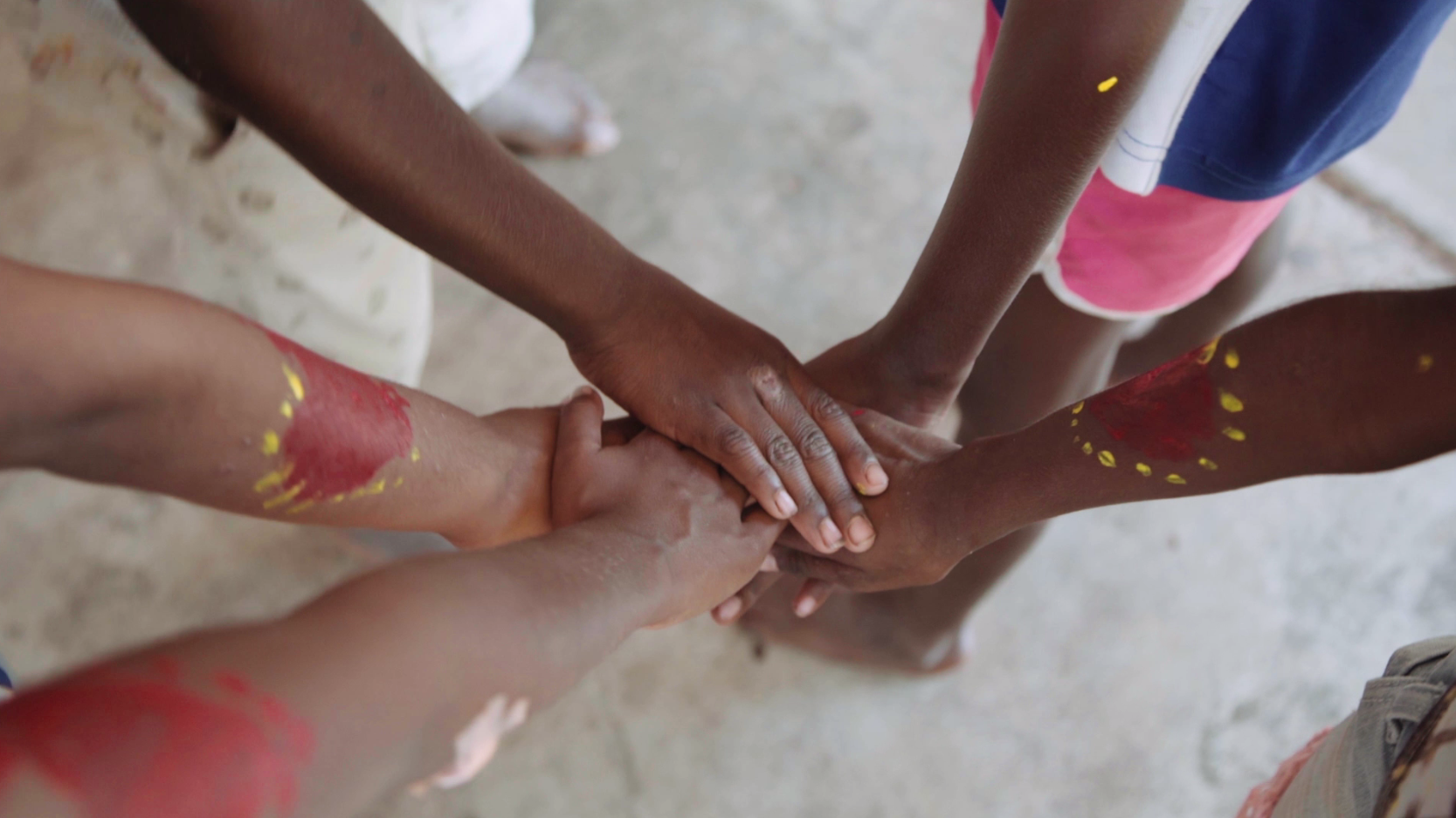
Young Aboriginal and Torres Strait Islander people receiving long-term, painful injections to prevent deadly complications from rheumatic heart disea…

Researchers from The Kids Research Institute Australia are joining forces with international experts in acute rheumatic fever (ARF) and rheumatic hea…
Regular intramuscular benzathine penicillin G injections have been the cornerstone of rheumatic heart disease (RHD) secondary prophylaxis since the 1…
Acute rheumatic fever and rheumatic heart disease disproportionately affect Aboriginal and Torres Strait Islander people in Australia, with devastati…
Environmental factors including household crowding and inadequate washing facilities underpin recurrent streptococcal infections in childhood that ca…