
Search
Showing results for "Au"

News & Events
Who are our exercise researchers and what do they do?A new ongoing Q & A series focusing on different research themes within the Children’s Diabetes Centre - focus: exercise team.
Research
Does adjunctive clindamycin have a role in Staphylococcus aureus bacteremia? A protocol for the adjunctive treatment domain of the S. aureus Network Adaptive Platform (SNAP) randomized controlled trialThe use of adjunctive antibiotics directed against exotoxin production in Staphylococcus aureus bacteremia (SAB) is widespread, and is recommended in many guidelines, but there is limited evidence underpinning this.
Research
Infectious complications and optimising infection prevention for children with cochlear implantsTo describe the clinical epidemiology of children receiving cochlear implants, as well as the management and outcomes of cochlear implant infections and adherence to infection prevention measures.
Research
Otitis media at 6-monthly assessments of Australian First Nations children between ages 12–36 months: Findings from two randomised controlled trials of combined pneumococcal conjugate vaccinesIn remote communities of northern Australia, First Nations children with hearing loss are disproportionately at risk of poor school readiness and performance compared to their peers with no hearing loss. The aim of this trial is to prevent early childhood persisting otitis media (OM), associated hearing loss and developmental delay.
Research
Australian Aboriginal Otitis-Prone Children Produce High-Quality Serum IgG to Putative Nontypeable Haemophilus influenzae Vaccine Antigens at Lower Titres Compared to Non-Aboriginal ChildrenNontypeable Haemophilus influenzae (NTHi) is the most common bacterial otopathogen associated with otitis media (OM). NTHi persists in biofilms within the middle ears of children with chronic and recurrent OM. Australian Aboriginal children suffer exceptionally high rates of chronic and recurrent OM compared to non-Aboriginal children.
Research
Pneumococcal carriage, serotype distribution, and antimicrobial susceptibility in Papua New Guinean children vaccinated with PCV10 or PCV13 in a head-to-head trialChildren in Papua New Guinea (PNG) are at high risk of pneumococcal infections. We investigated pneumococcal carriage rates, serotype distribution, and antimicrobial susceptibility in PNG children after vaccination with 10-valent or 13-valent pneumococcal conjugate vaccines (PCV10; PCV13).
Research
Viridans Group Streptococci in Pediatric Leukemia and Stem Cell Transplant: Review of a Risk-stratified Guideline for Empiric Vancomycin in Febrile NeutropeniaViridans group streptococci (VGS) are an important cause of sepsis in immunosuppressed children. We reviewed the effectiveness of risk-stratified addition of vancomycin to empiric febrile neutropenia therapy among 107 children with leukemia or undergoing an allogeneic transplant.
Research
The role of Kingella kingae in pre-school aged children with bone and joint infectionsThe Pre-school Osteoarticular Infection (POI) study aimed to describe the burden of disease, epidemiology, microbiology and treatment of acute osteoarticular infections (OAI) and the role of Kingella kingae in these infections.
Research
Global, regional, and national levels of neonatal, infant, and under-5 mortality during 1990-2013We generated updated estimates of child mortality in various age groups for 188 countries from 1970 to 2013.
News & Events
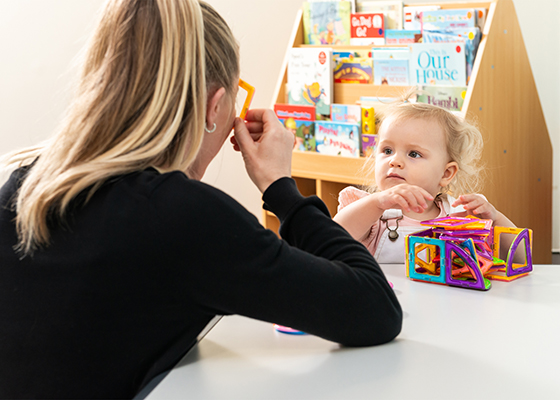
Five tips to help autistic kids communicateSpeech Pathologist and Research Development Manager Sarah Pillar shares her strategies for supporting autistic children to communicate.