
Search
Showing results for "Study of bullying"
The Opportunity The Gender Diversity Service at Princess Margaret Hospital for Children provides treatment for children and adolescents who are
Tobias Jenny Strunk Mountain MD, PhD, FRACP MBA MClinEpi Head, Neonatal Health Program Manager, Neonatal Health / Protect Trial tobias.strunk@

Embrace 2023 Research Award winners Zoe Waters and Pulan Bai.
Aboriginal and Torres Strait Islander young people aged 15-24 years of age often encounter challenges accessing and utilising primary health care (PHC). Providing health care responsive to the needs of Aboriginal and Torres Strait Islander young people requires the active involvement of healthcare providers (HCPs), who play a central role in healthcare delivery. This study explored perspectives of HCPs working in urban Aboriginal and Torres Strait Islander Community-Controlled Health Organisations (ATSICCHOs) on the factors that facilitate Aboriginal and Torres Strait young people accessing and utilising PHC services.
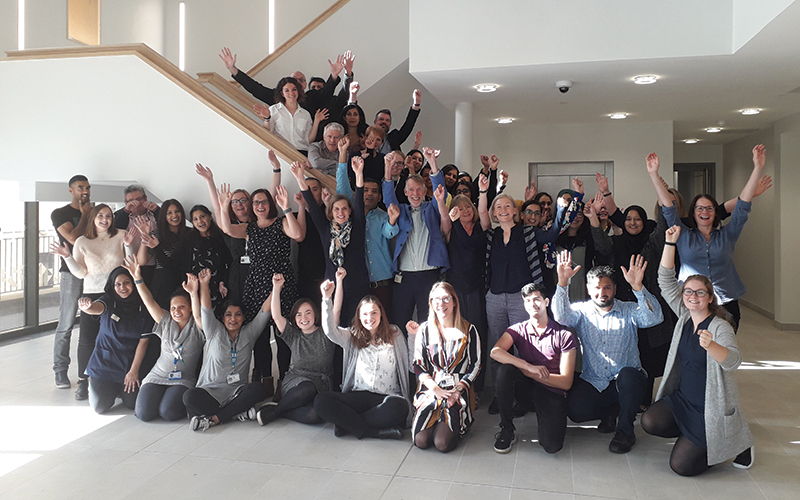
Researchers leading WA’s landmark ORIGINS Project have spearheaded a global network that will see them join forces with similar interventional cohort studies across the world to maximise data collection and learnings for
This study provides further evidence that maternal pre-pregnancy obesity is associated with autism-like behaviors in offspring
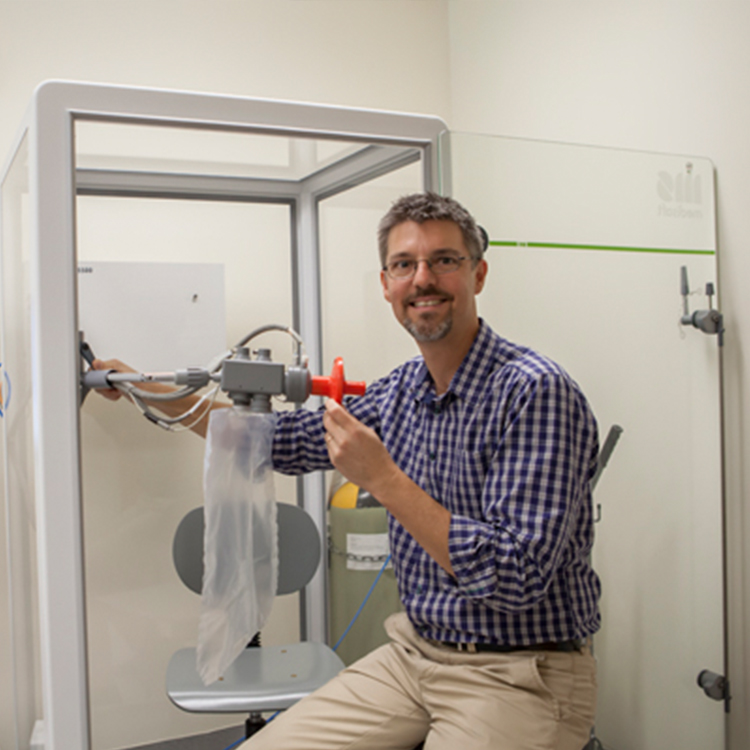
A global research network has taken another step towards standardising the way doctors interpret commonly used lung function tests.
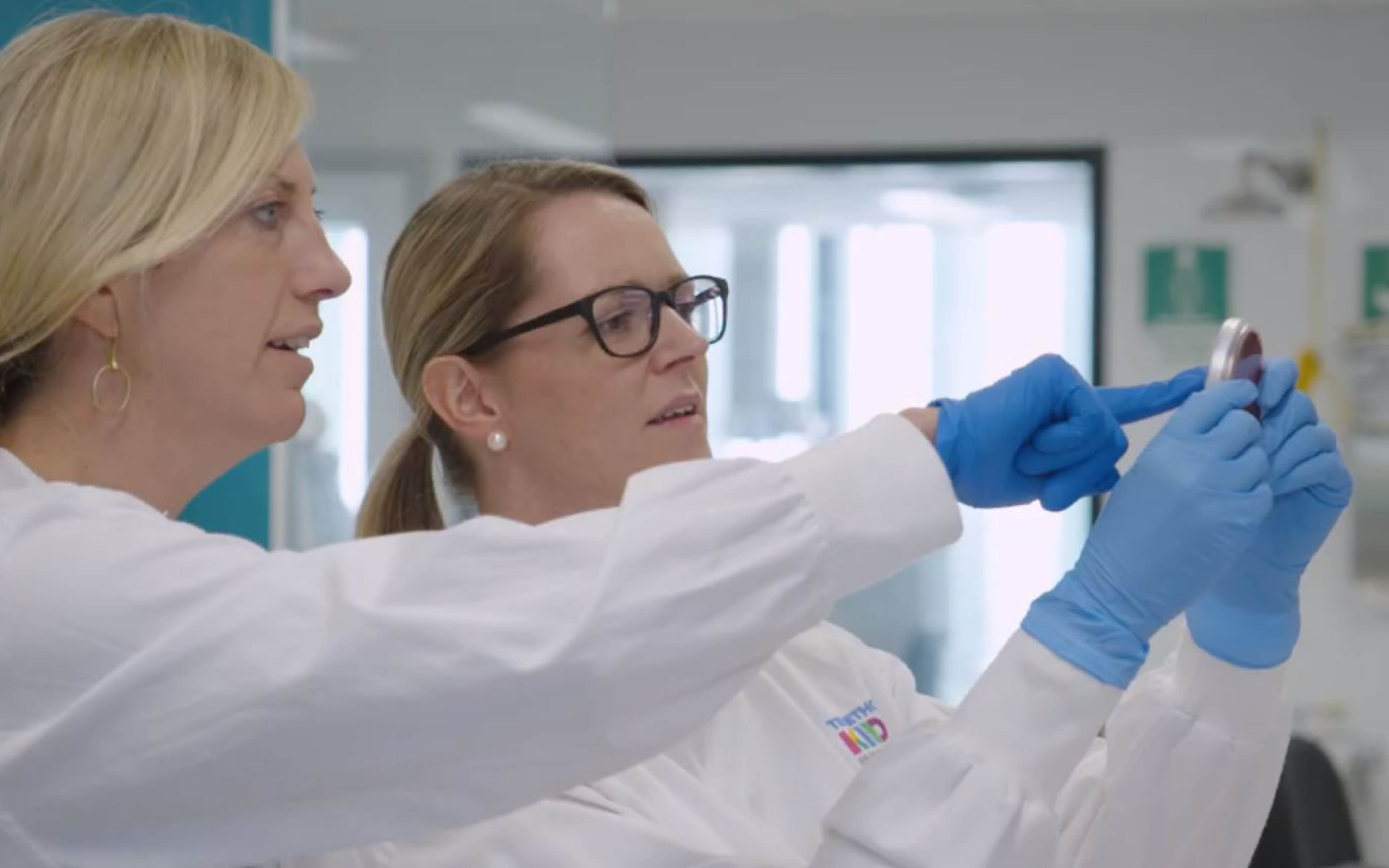
The Bacterial Respiratory Infectious Disease Group (BRIDG) has a major focus ear and lung disease involving Streptococcus pneumoniae and Haemophilus influenzae.

The Kids Research Institute Australia Government Relations Advisor Fiona Roche said the BEACHES project was a great example of how the Institute is increasingly working in partnership with Government
Progesterone receptor (PGR) plays diverse roles in reproductive tissues and thus coordinates mammalian fertility. In the ovary, rapid acute induction of PGR is the key determinant of ovulation through transcriptional control of a unique set of genes that culminates in follicle rupture. However, the molecular mechanisms for this specialized PGR function in ovulation is poorly understood.