
Search
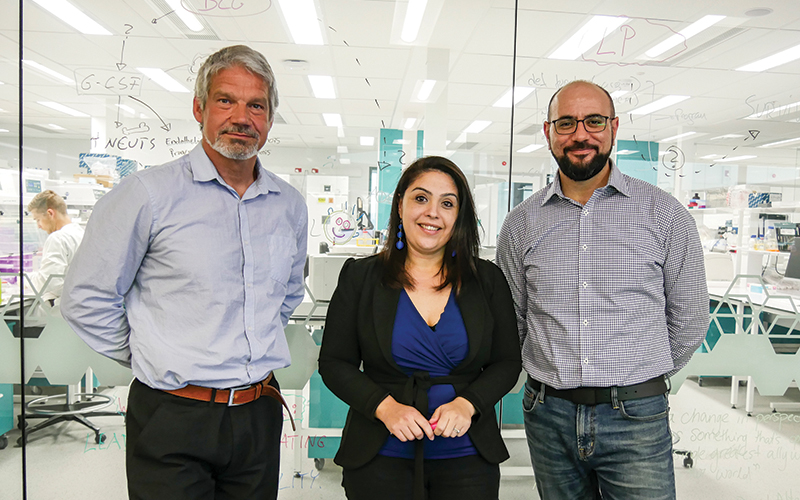
Running any research project is a feat of logistical gymnastics – and often, you don’t know what can go wrong until it happens.
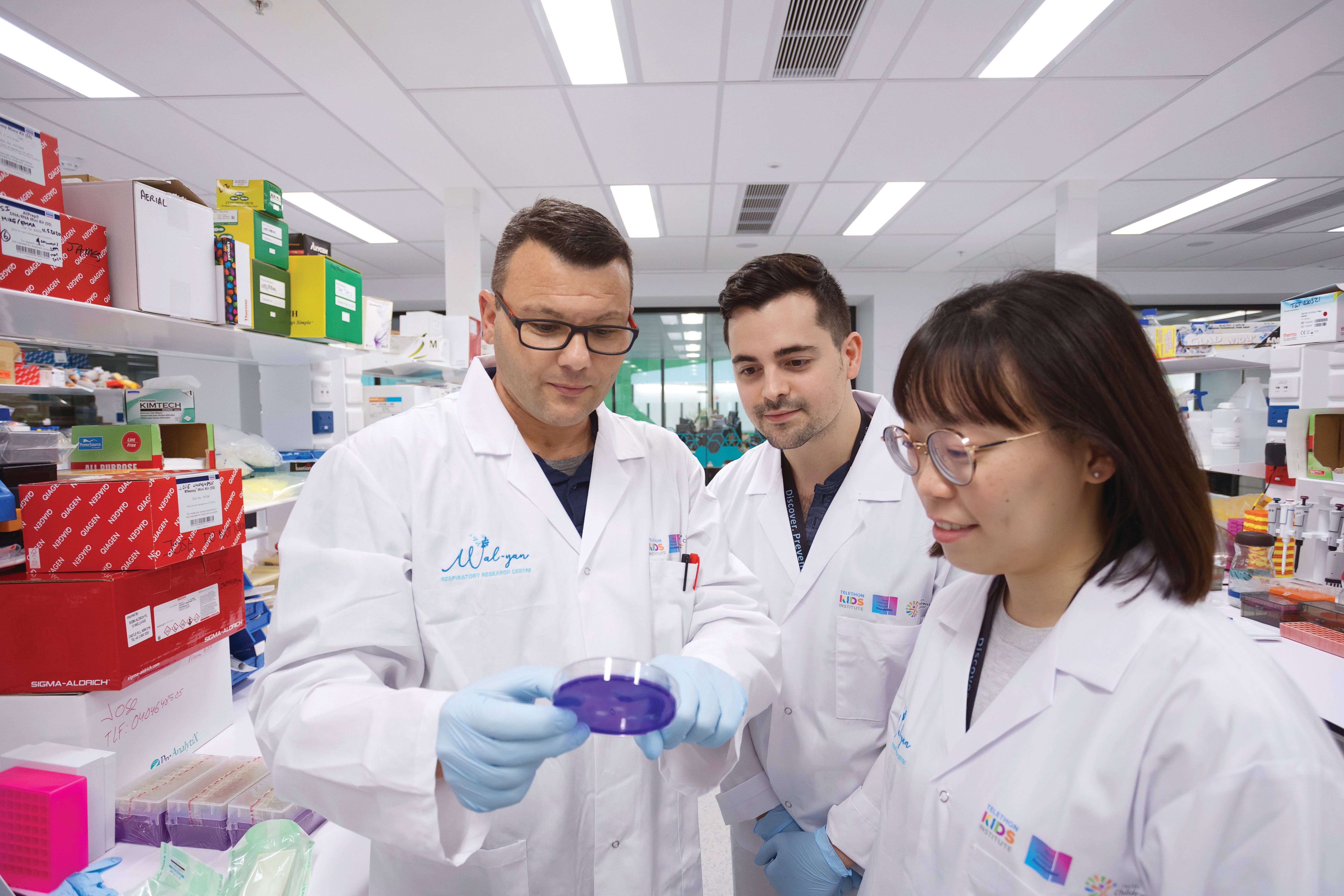
Cutting-edge work is offering new hope to children with Cystic Fibrosis.
Findings from the Banksia Hill Project revealed 89% of young people in detention who were assessed as part of the project had at least one form of severe neurodevelopmental impairment.
Research
Koolungar (Children) Moorditj (Strong) Healthy Skin Project Part II: Skin Health in Urban-Living Australian Aboriginal ChildrenAlthough essential for overall health and wellbeing, little is known about skin health in urban-living Australian Aboriginal children. This co-designed, research-service project aimed to describe skin health and document skin disease frequency in urban-living Aboriginal children and young people in Western Australia and investigate housing associations for skin infections.
Research
It’s not just droplets: a systematic review and meta-analysis of the modes of transmission of Group A StreptococcusThe transmission of Group A Streptococcus (Strep A) through respiratory droplets has been considered the dominant mode of transmission to date; however, little is known about the relative contribution of other modes of transmission. This review systematically summarises the contemporary evidence regarding the transmission of Strep A.
Research
A malaria seasonality dataset for sub-Saharan AfricaMalaria imposes a significant global health burden and remains a major cause of child mortality in sub-Saharan Africa. In many countries, malaria transmission varies seasonally. The use of seasonally-deployed interventions is expanding, and the effectiveness of these control measures hinges on quantitative and geographically-specific characterisations of malaria seasonality.
Research
The Koolungar (Children) Moorditj (Strong) Healthy Skin Project Part I: Conducting First Nations Research in Pediatric DermatologyIntegrating First Nations knowledge systems and Western research methodologies recognizes the strength, experience, and insight of First Nations peoples in addressing health issues in their communities. In research, this includes projects being led by First Nations Elders and peoples, including First Nations researchers in the team, and collecting data in ways that reflect First Nations ways of knowing, being, and doing.
Research
“The Wrong Supports Are Worse than no Support”: Autistic Perspectives on Early-in-Life Infant Autism SupportsEvidence suggests that the earlier supports are provided to young Autistic children, the better the overall outcomes. Supports have typically only been available after an autism diagnosis but with increased knowledge about early developmental trajectories, clinical supports can now be offered prediagnosis for infants showing early autism features and/or those with a family history of autism.
Research
Aspiring athletes managing sport, education, social, and family life: A scoping reviewThis scoping review considers the experiences of aspiring high school-aged athletes as they navigate the complexities of managing sport, education, social, and family life. The review synthesises existing literature on the decisions, barriers, facilitators, and support systems that influence aspiring athletes' pathways.
Research
The CoolCot trial: active methods of therapeutic hypothermia for newborns with hypoxic ischaemic encephalopathy during neonatal transport: a study protocol for a randomised controlled trialImpaired oxygen delivery or blood flow to the brain around the time of birth can cause injury. Hypoxic ischaemic encephalopathy is a leading cause of death and disability in term and near-term infants.