
Search
Showing results for "Study of bullying"
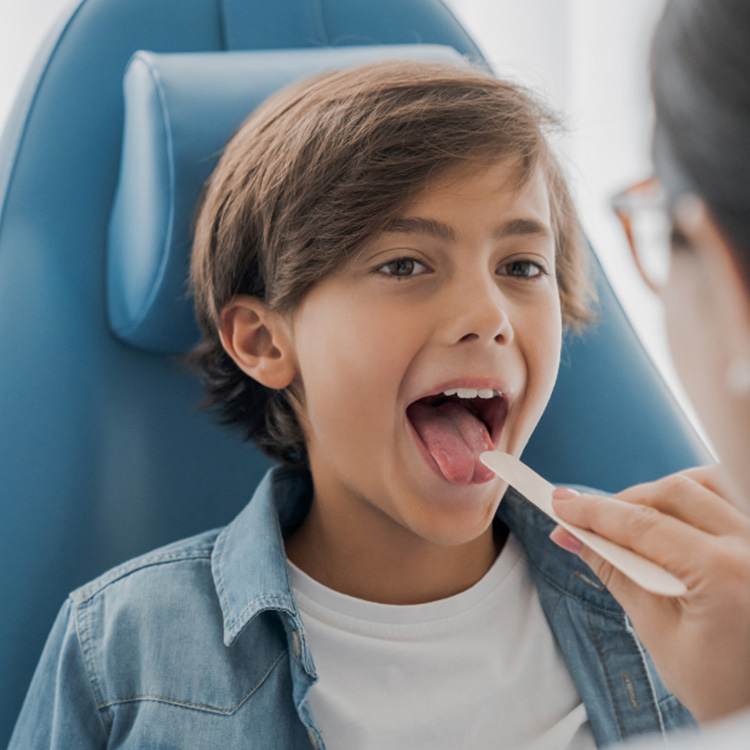
More than 1000 children are being sought for a study to learn more about sore throats and how best to prevent them.
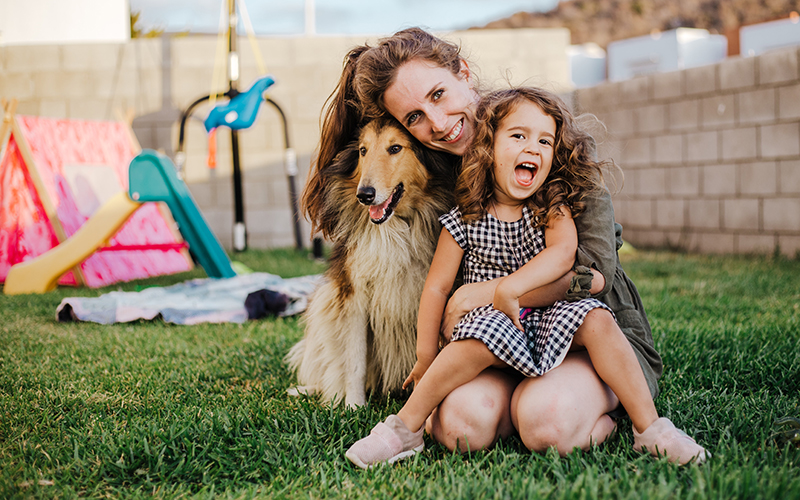
Researchers exploring the potential health benefits of pets have found children who regularly walk and play with a family dog are more active, have less screen time, and sleep more.
West Australian study will look at the breathing and airway problems of children and with cerebral palsy (CP) to prevent serious respiratory problems

Due to COVID-19, diabetes clinics across WA run by the Diabetes Service at Perth Children's Hospital are now using telehealth. We would like to take this opportunity to evaluate the use of telehealth for clinics.

We are looking for Aboriginal parents who are passionate about lung health to join the Aboriginal Advisory Committee (AAC) for our Kids Easy Breathing Study (KEBS). Research shows 1 in 5 Aboriginal* bubs in hospital for bronchiolitis (a common viral chest infection) later had serious damage to their lungs. The aim of our study is to find out why Aboriginal bubbies are more likely to develop long-term lung sickness.
Sickle cell disease (SCD) is an inherited red blood cell disease that results in a multitude of medical complications, including an increased risk of invasive disease caused by encapsulated bacteria, such as Streptococcus pneumoniae. Pneumococcal vaccines have contributed to a significant reduction in pneumococcal disease (PD) in children and adults, including those with SCD. This phase 3 study evaluated the safety and immunogenicity of V114, a 15-valent pneumococcal conjugate vaccine (PCV), in children with SCD.
Sickle cell disease (SCD) is an inherited red blood cell disease that results in a multitude of medical complications, including an increased risk of invasive disease caused by encapsulated bacteria, such as Streptococcus pneumoniae. Pneumococcal vaccines have contributed to a significant reduction in pneumococcal disease (PD) in children and adults, including those with SCD. This phase 3 study evaluated the safety and immunogenicity of V114, a 15-valent pneumococcal conjugate vaccine, in children with SCD.
Health care workers (HCWs) faced an increased risk of Coronavirus Disease 2019 (COVID-19). Australia’s COVID-19 vaccine rollout commenced in February 2021 to priority groups, including HCWs. Given their increased risk, as well as influence on patients’ vaccine uptake, it was important that HCWs had a positive COVID-19 vaccination experience, as well as trusting the vaccine safety and efficacy data.
Seasonal inactivated influenza vaccine (IIV) is routinely recommended during pregnancy to protect both mothers and infants from complications following influenza infection. While previous studies have evaluated the risk of major structural birth defects in infants associated with prenatal administration of monovalent pandemic IIV, fewer studies have evaluated the risk associated with prenatal seasonal IIV.
Monitoring children's recovery postoperatively is important for routine care, research, and quality improvement. Although telephone follow-up is common, it is also time-consuming and intrusive for families. Using SMS messaging to communicate with families regarding their child's recovery has the potential to address these concerns. While a previous survey at our institution indicated that parents were willing to communicate with the hospital by SMS, data on response rates for SMS-based postoperative data collection is limited, particularly in pediatric populations.