
Search
Showing results for "Study of bullying"
We aimed to review RHD burden in Western Pacific Region outside Oceania to identify countries with high RHD burden
This work is the first step to develop safe treatments for pregnant mums to protect against preterm delivery and low birth weight caused by maternal infections.
Plasma apoB48 remnant lipoproteins associate with cardiometabolic risk factors in adolescents and provide support for the screening of remnant cholesterol in youth

World-first findings from the collaborative REACT study – a joint project between The Kids, PCH, UWA and Curtin University – have led to the asthma medication Ventolin being routinely given to paediatric patients before tonsillectomy surgery to prevent respiratory complications.
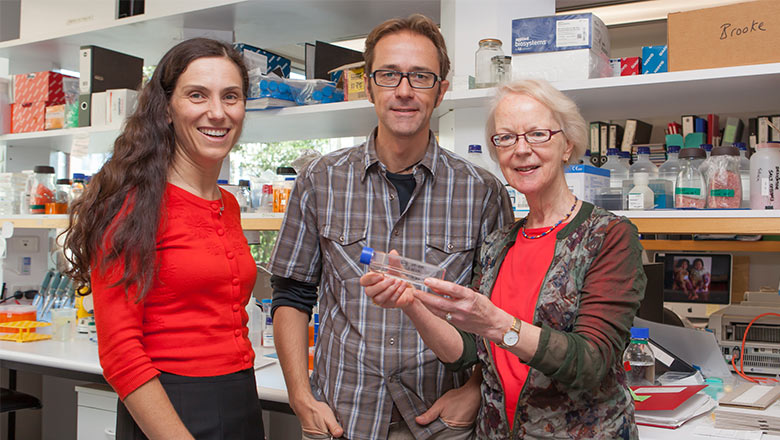
It is now known that the HOX11 gene is permanently activated in the leukaemia cells and it drives the disease.
Studies have reported a dose-dependent relationship between gestational age and poorer school readiness. The study objective was to quantify the risk of developmental vulnerability for children at school entry, associated with gestational age at birth and to understand the impact of sociodemographic and other modifiable risk factors on these relationships. Linkage of population-level birth registration, hospital, and perinatal datasets to the Australian Early Development Census (AEDC), enabled follow-up of a cohort of 64,810 singleton children, from birth to school entry in either 2009, 2012, or 2015.
In this report, we present a protocol for a geospatial meta-analysis to investigate the spatial patterns of TB prevalence in Ethiopia
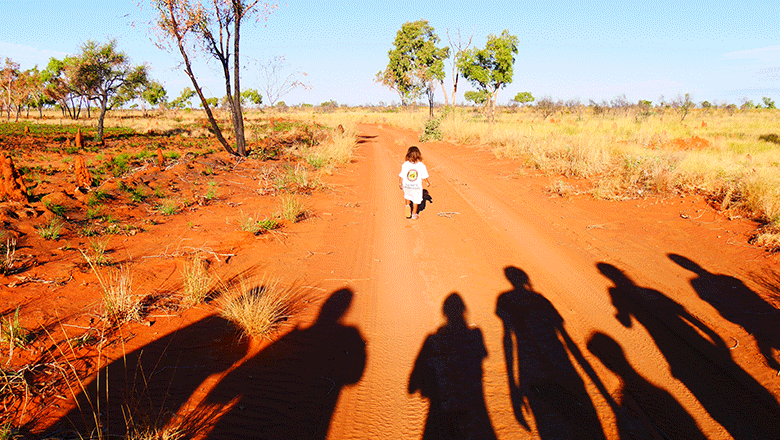
Rheumatic heart disease (RHD) is the most important cause of acquired cardiovascular disease in children and young adults and the most common cause of multivalv
Meta-analyses of randomized controlled trials have found that introducing eggs and peanuts earlier during infancy reduced egg and peanut allergy risk. Hence, infant feeding advice has dramatically changed from previous recommendations of avoidance to current recommendations of inclusion of common food allergens in infant diets.
It is plausible that dog-facilitated activity rather than dog ownership per se encourages children's physical activity behaviors.