
Search
Showing results for "Study of bullying"
The goals of the current study were to identify different trajectories of sadness from Grade 6 to 9 in Australian school students, and to explore the role that social support from school, teachers, friends and families play in supporting students’ mental health.
In recent years there have been reports of viral haemorrhagic fever (VHF) epidemics in sub-Saharan Africa where malaria is endemic. VHF and malaria have overlapping clinical presentations making differential diagnosis a challenge.
To assess the effects of aural toilet procedures for people with chronic suppurative otitis media
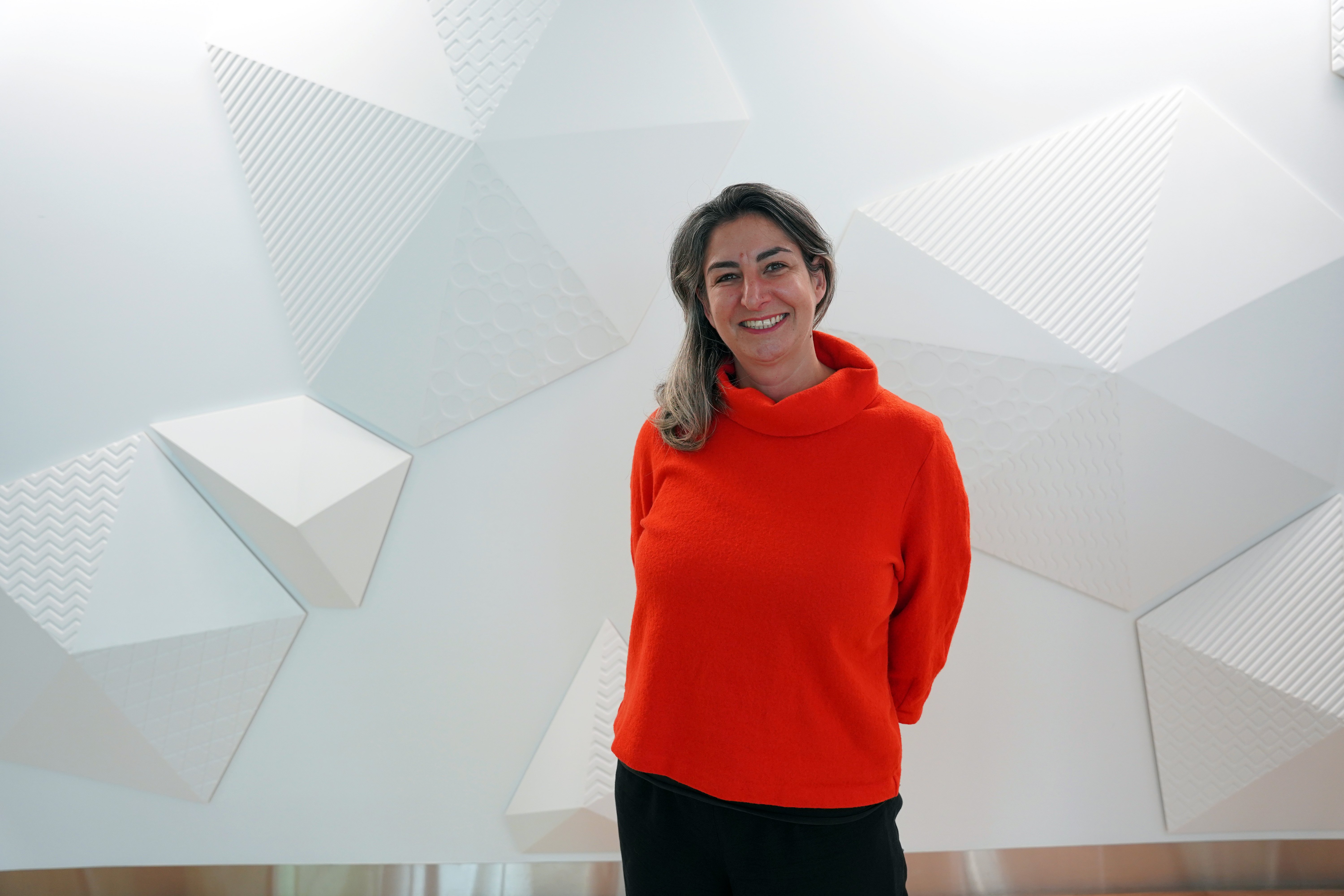
Professor Ashleigh Lin was nominated for the Mid-Career Scientist of the Year.
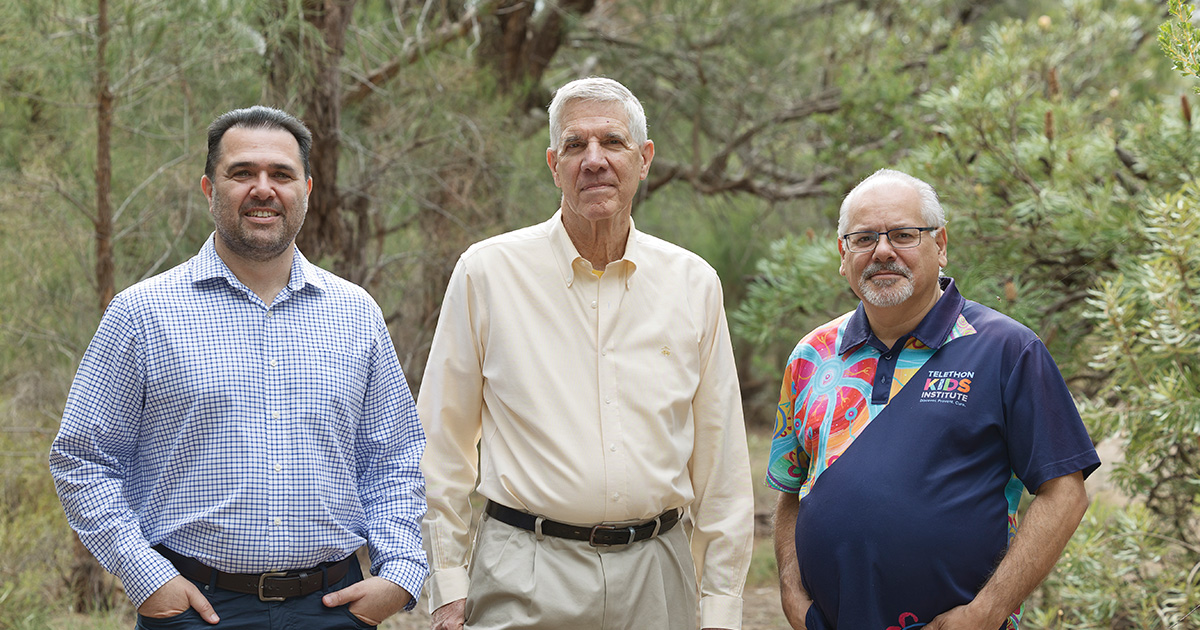
In 1998, The Kids Research Institute Australia embarked on one of the most ambitious population health projects in Western Australian history.
Genome wide linkage studies (GWLS) have provided evidence for loci controlling visceral leishmaniasis on Chromosomes 1p22, 6q27, 22q12 in Sudan...
This is the first study demonstrating the negative impact of antibiotic allergy labels on clinical outcomes in children
Here we examined single nucleotide polymorphisms (SNPs) in these genes as risk factors for cutaneous (CL) and mucosal leishmaniasis (ML), and leishmaniasis...
Cerebral palsy is a diagnosis based on clinical signs and not aetiology or pathology, with only ~50% of children receiving a clinical diagnosis in the first year of life; limiting the opportunity for intervention where maximal neuronal plasticity may occur.
Christopher Blyth MBBS (Hons) DCH FRACP FRCPA PhD Centre Head, Wesfarmers Centre of Vaccines and Infectious Diseases; Co-Head, Infectious Diseases