
Search
Showing results for "Study of bullying"
Primary care practitioners have an important role in improving Aboriginal cardiovascular care outcomes
Australian researchers have found that exposure to measured doses of ultraviolet light, such as sunlight, could reduce asthma.
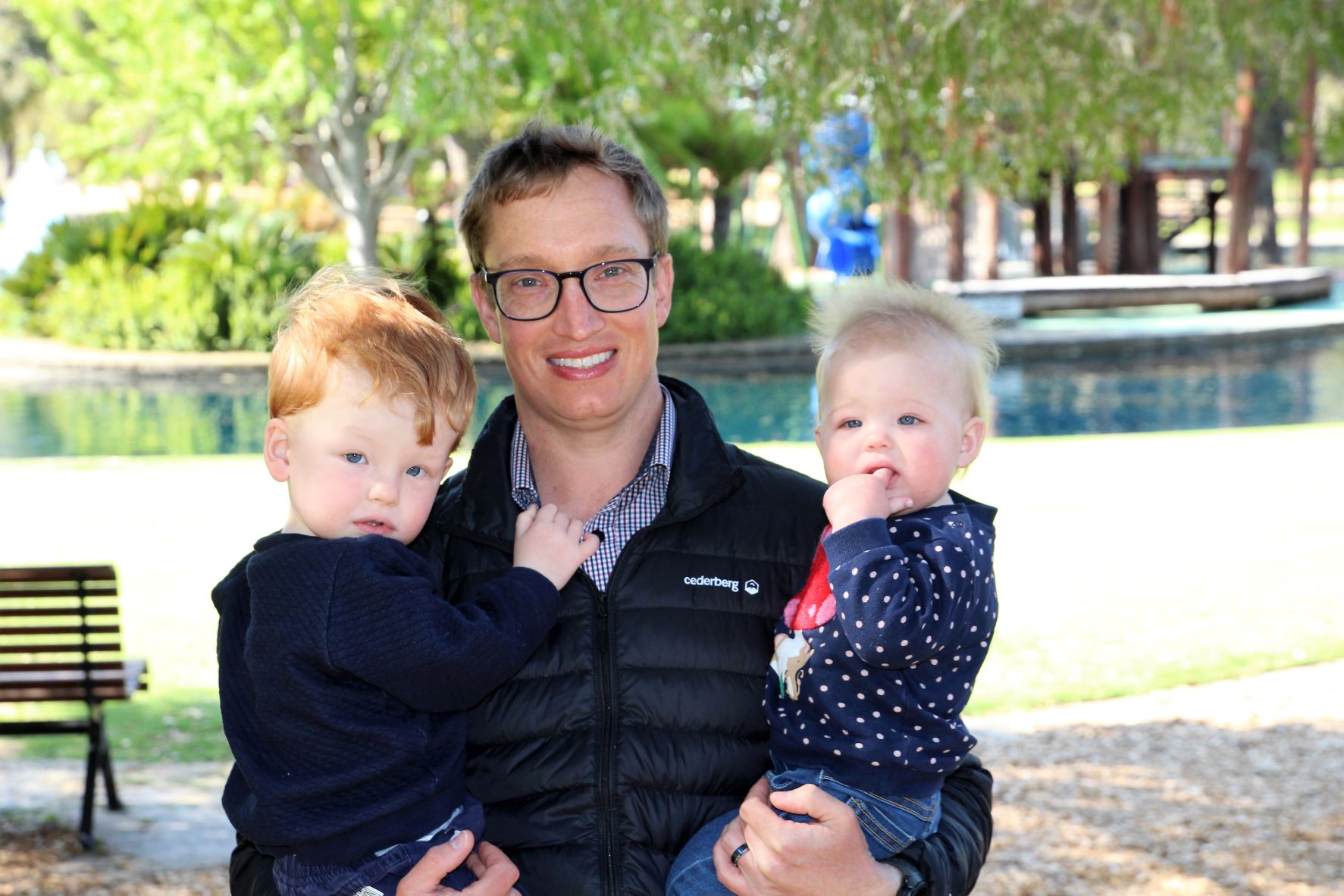
ORIGINS sub-project, Flourishing in Fatherhood, has placed runner up in Ramsay Health Care's research-month competition!
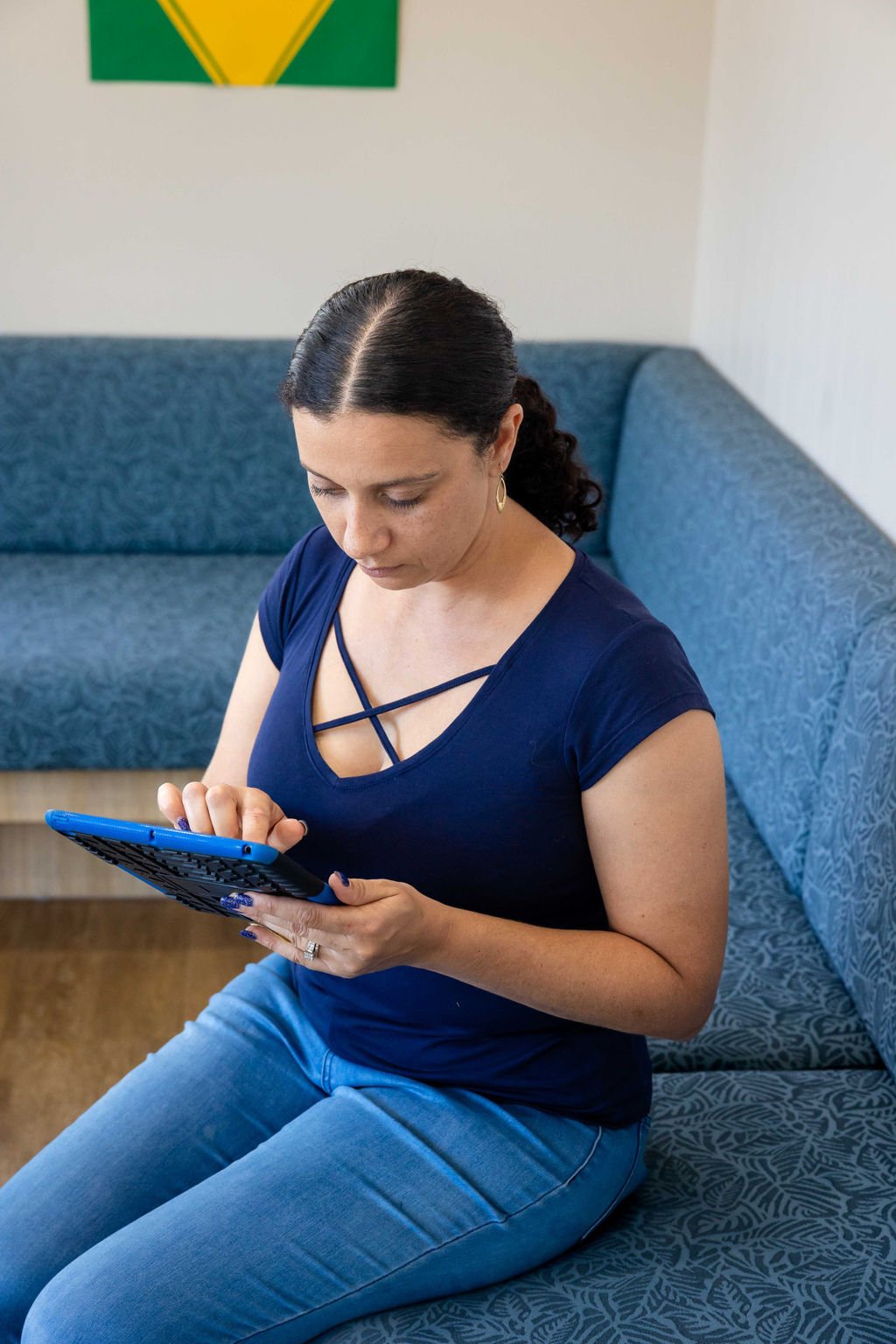
The impact of familial and childhood health conditions on health later in life.
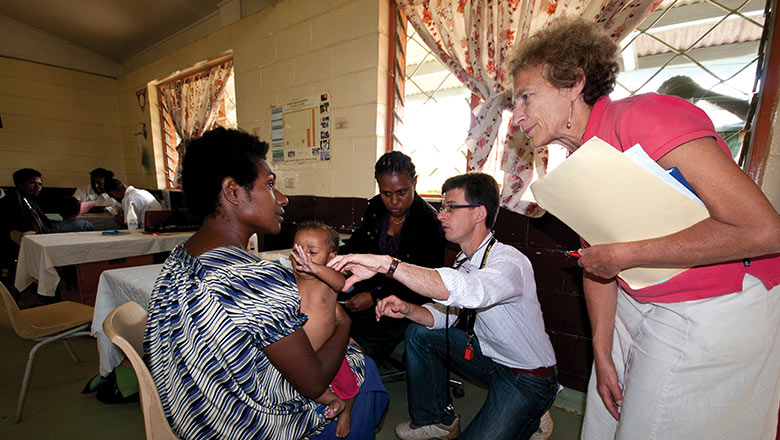
For more than a decade, The Kids Research Institute Australia and Papua New Guinea Institute of Medical Research have been fighting against killer infectious diseases.
High consumption of refined carbohydrate, in particular sugar, has been identified as a possible contributory factor in greater risk of excess weight gain.
MEDIA ENQUIRIES Discover. Prevent. Cure. Mailing list Media contacts About The Kids Be Inspired Please direct general enquiries to our reception on (
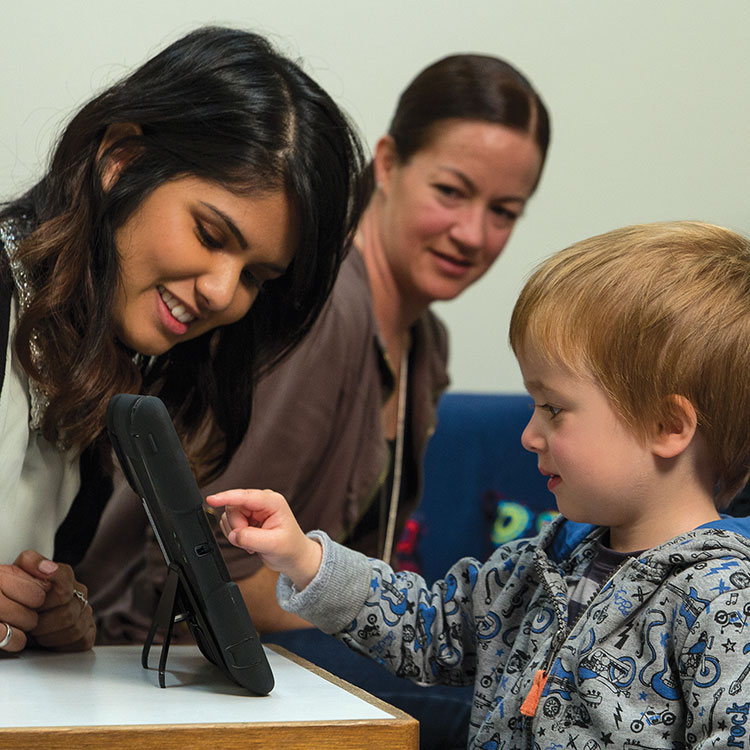
A The Kids Research Institute Australia study has shown that in addition to intervention with trained therapists, children with autism may benefit from app-based therapies.
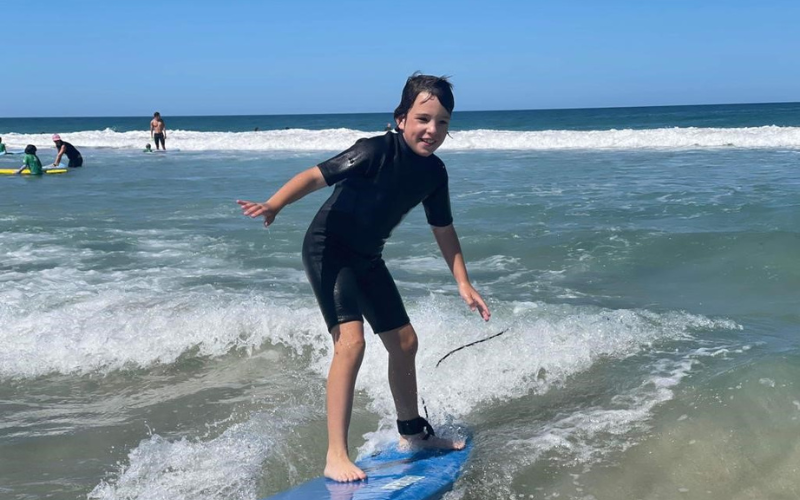
Ten-year-old Keelan Mullins is known to his mum Clare Hindle as her ‘miracle baby’. Keelan was born in March 2013 at 26 weeks’ gestation and weighing just 1096 grams.
Adolescent girls appear more vulnerable to experiencing mental health difficulties from social media use than boys. The presence of sexualized images online is thought to contribute, through increasing body dissatisfaction among adolescent girls.