
Search
Showing results for "Study of bullying"

The Kids Research Institute Australia researchers have confirmed that skin infections in many Aboriginal children across northern Western Australia are going unrecognised.
Staphylococcus aureus bloodstream infection is traditionally treated with at least 2 weeks of intravenous antibiotics in adults, 3-7 days in children, and often longer for those with complicated disease. The current practice of treating S. aureus bacteremia with prolonged IV antibiotics (rather than oral antibiotics) is based on historical observational research and expert opinion. Prolonged IV antibiotic therapy has significant disadvantages for patients and healthcare systems, and there is growing interest in whether a switch to oral antibiotics following an initial period of IV therapy is a safe alternative for clinically stable patients.
Itraconazole remains a first-line antifungal agent for certain fungal infections in children, including allergic bronchopulmonary aspergillosis (ABPA) and sporotrichosis, but poor attainment of therapeutic drug levels is frequently observed with available oral formulations. A formulation of 'SUper BioAvailability itraconazole' (SUBA-itraconazole; Lozanoc®) has been developed, with adult studies demonstrating rapid and reliable attainment of therapeutic levels, yet paediatric data are lacking.
Exome sequencing is widely used in the diagnosis of rare genetic diseases and provides useful variant data for analysis of complex diseases. There is not always adequate population-specific reference data to assist in assigning a diagnostic variant to a specific clinical condition.
Visceral leishmaniasis (VL) is fatal if untreated, and there are no vaccines for this disease
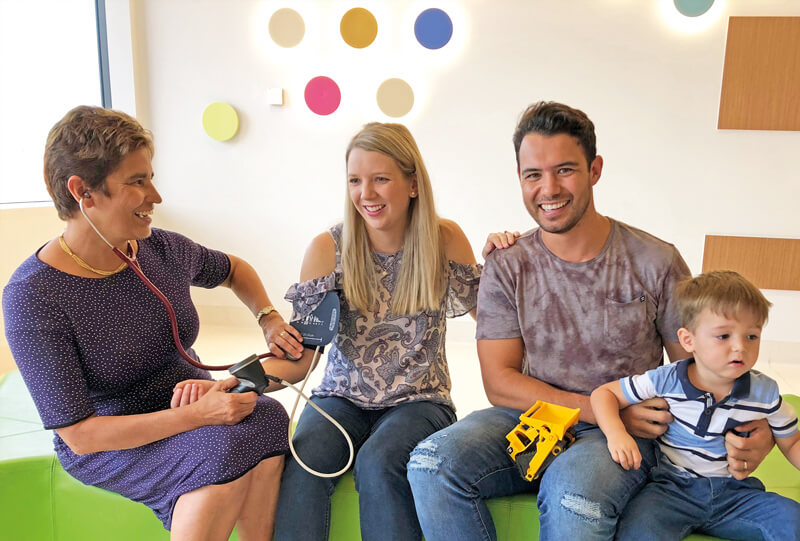
A Quinns Rocks family who became the 1000th family to sign up for the ORIGINS Project is excited to be contributing to such ground-breaking research.
This trial evaluated the lot consistency, early immune responses and safety of the vaccine against serogroup B Neisseria meningitidis (4CMenB) - in 11 to 17...
Non-coercive 'nudge' interventions have shown the potential to promote health behaviours. This study aimed to evaluate the impact of nudge interventions on COVID-19/influenza vaccine uptake among children with medically at-risk conditions.
Preemptive pharmacogenomic (PGx) testing in pediatric oncology patients could reduce toxicity and improve efficacy of medications yet remains underutilized. Consumer identified implementation barriers have not been extensively explored nor included adolescent or young adult (AYA) patient perspectives. This study describes Australian pediatric oncology consumer perspectives on PGx testing, elucidating barriers to implementation.

A new study shows that people living in the Oceania region, including Australia, have the highest risk in the world of dying from rheumatic heart disease.