
Search
Showing results for "Study of bullying"
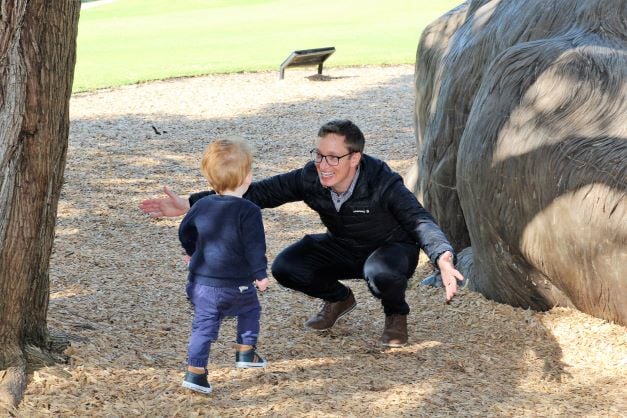
A new partnership with HBF will help fathers in their transition to parenthood
This Cochrane review shows that both hearing aids and sound generators may be beneficial for reducing tinnitus severity in some patients
In this paper we conduct a genome-wide screen and follow-up study of expressive vocabulary in toddlers of European descent from up to four studies of the...
The aim of this study was to reexamine the neurocognitive function of a cohort of young adults with early-onset type 1 diabetes and compare their cognitive...
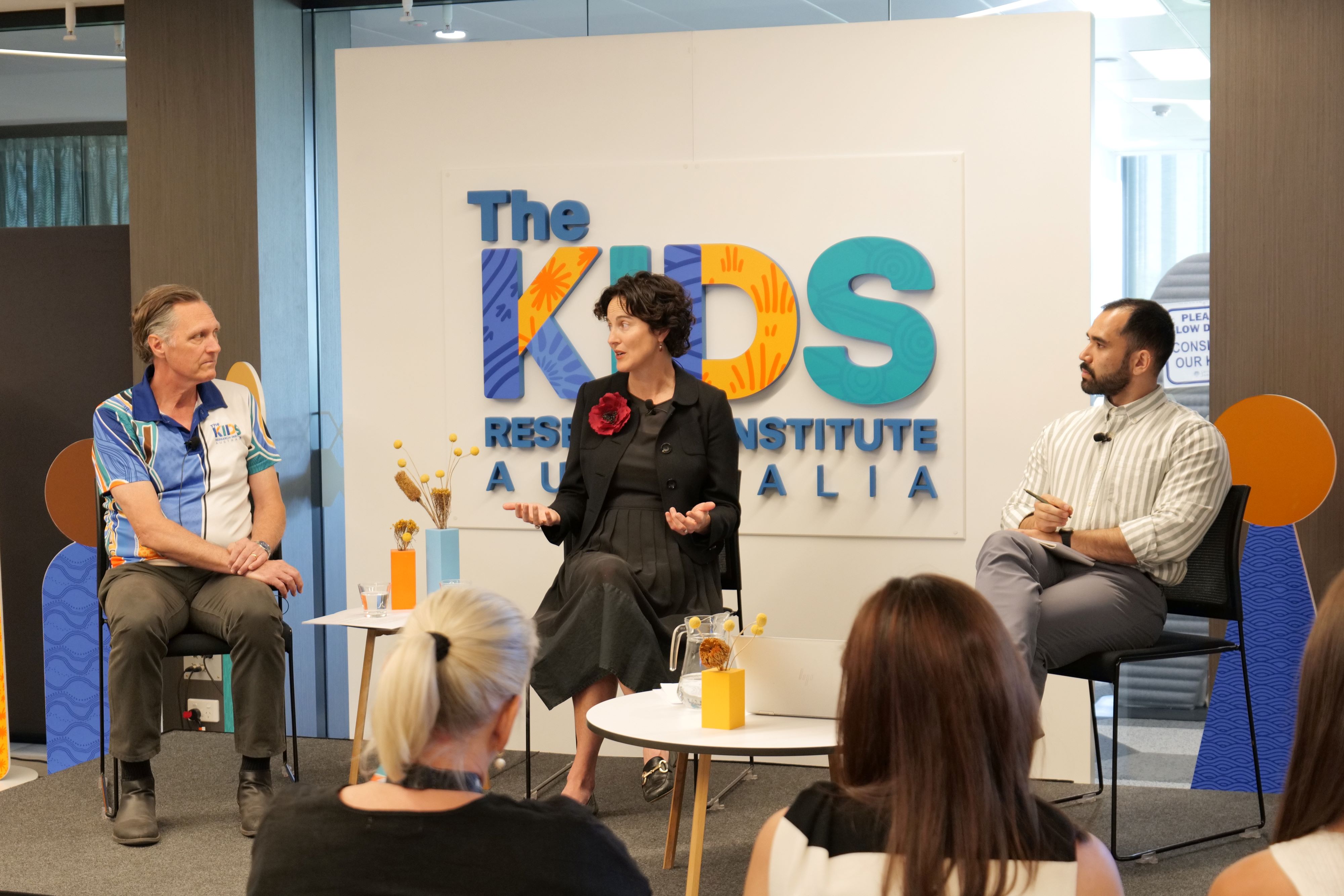
Professor Jonathan Carapetis hosts the webinar alongside MP Kate Chaney and Dr Vincent Mancini
The RT Prepare intervention was effective in reducing breast cancer patients’ psychological distress and preparing patients for treatment
This report provides new evidence of the relationships between family structure and childhood mental disorders in an under-researched context, Australia
To show underlying mechanisms, we examined differences in T-cell gene expression in samples at birth and at 1 year in children with and without IgE allergy.
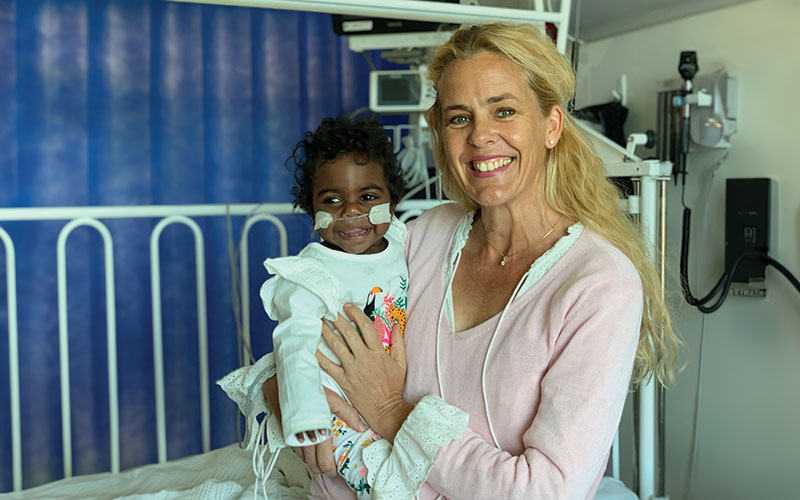
Culturally secure intervention to facilitate medical follow up for Aboriginal children, after being hospitalised with chest infections, have proven to improve long-term lung health outcomes.
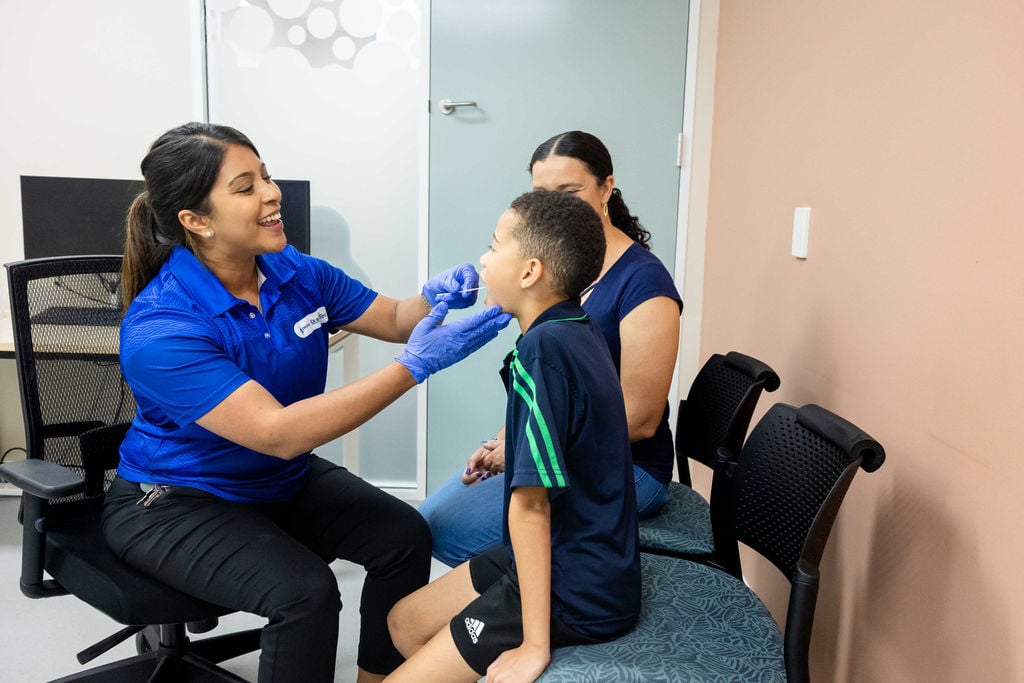
This sub-project aims to understand why some people develop long-term health problems after COVID-19 and to identify biological markers that can help doctors predict who is most at risk and how to treat them.