
Search
Exposure to arsenic in early life has been shown to increase the rate of respiratory infections during infancy, reduce childhood lung function, and increase...
This review examines the current evidence for a possible connection between nutritional intake (including micronutrients and whole diet) and neurocognitive...
Although children's later experiences can still have an effect, developments in early childhood have long-lasting effects on health, behaviour and learning...
This chapter assesses what global evidence tells us about the importance of early childhood education and development...
This chapter describes the development of young children in a sample of poor rural communities across Indonesia.
Early child development may have important consequences for inequalities in health and well-being. This paper explores population level patterns of child...
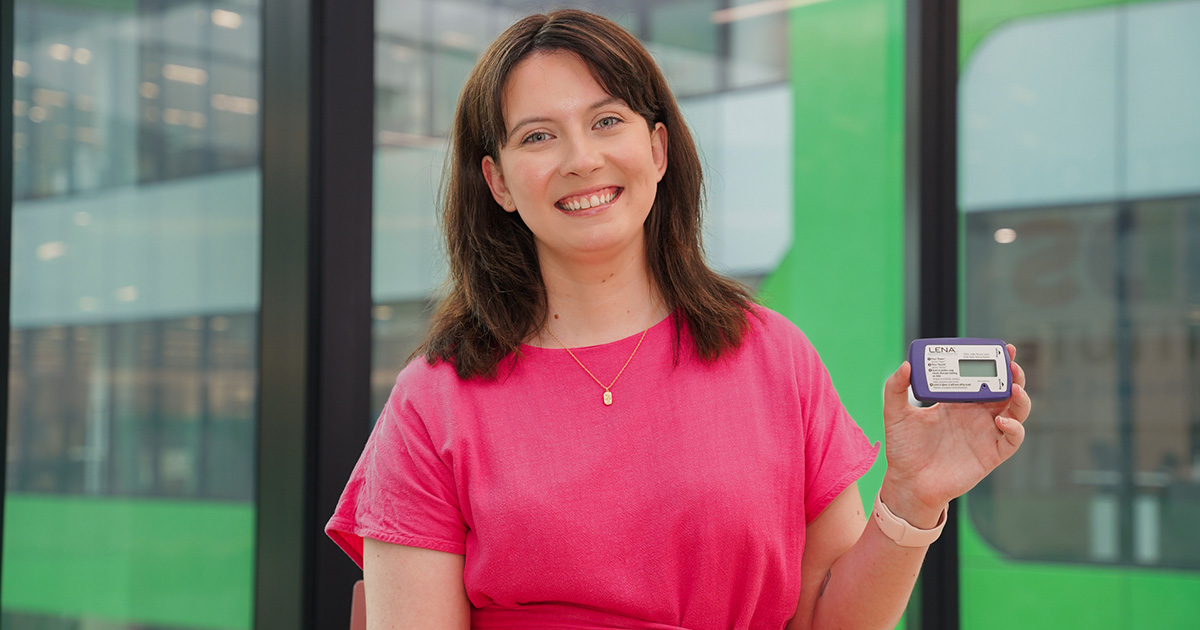
A The Kids Research Institute Australia researcher whose PhD studies highlighted the link between screen time exposure and toddlers’ language development has been named a finalist in South Australia’s Science Excellence and Innovation Awards.
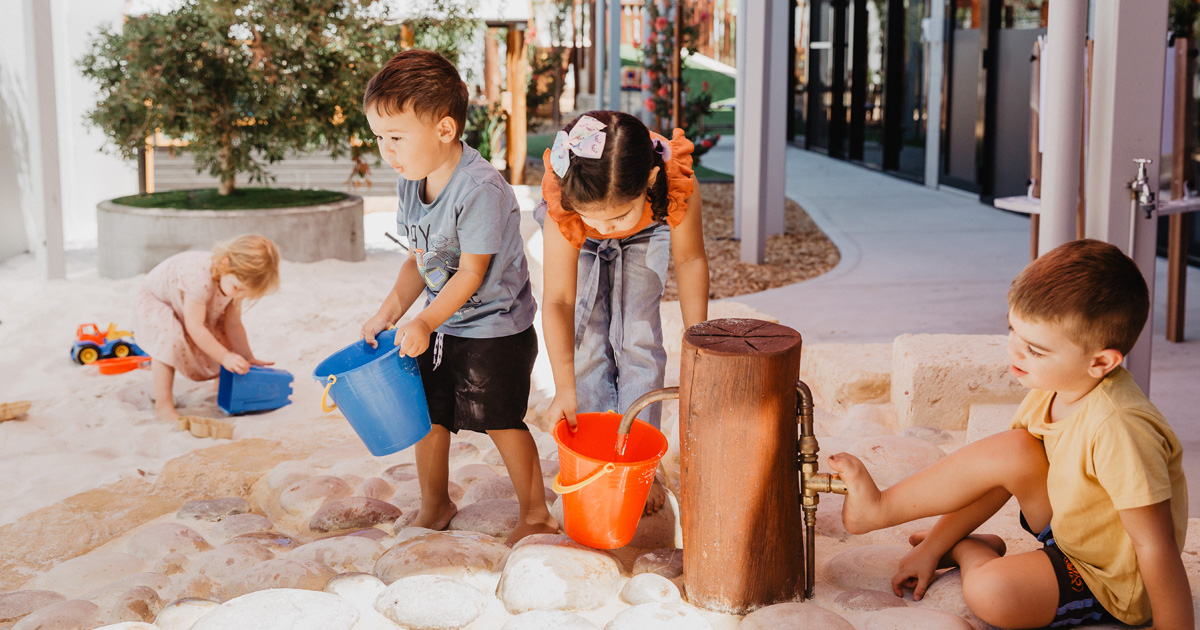
The Kids Research Institute Australia has welcomed today’s announcement by the Cook Government and Minderoo Foundation of a $34.6 million boost for the Early Years Partnership to achieve better outcomes for children.
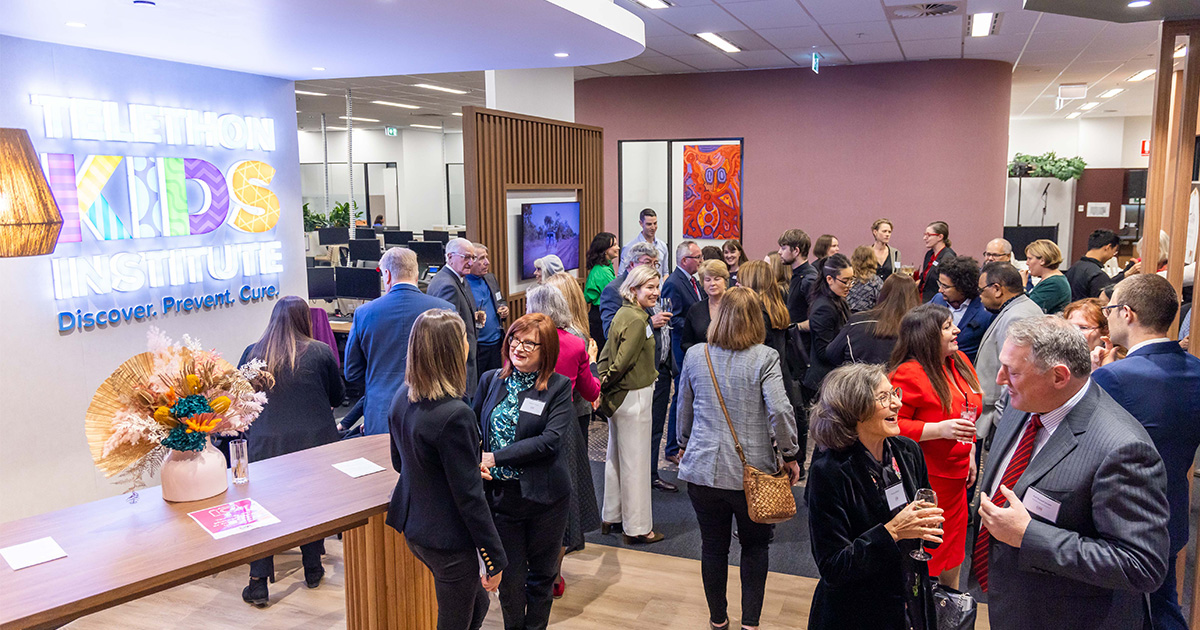
The Kids Research Institute Australia's Adelaide facility has been officially opened by South Australian Premier Peter Malinauskas.

Children across Australia aged 4-12 years are being asked to grab their crayons, pencils or pens and create their best drawing of themselves and their siblings in a simple study that will help researchers learn more about sibling relationships.