Skip to content

Search

Closing the Gap - Hitting ‘reset’ on how we measure early development in Aboriginal kids

In 2020, the National Closing the Gap partnership made improving early development of Aboriginal and Torres Strait Islander children one of its top priorities. Australia will measure progress in this area using the AEDC.

How traditional bush tucker could help boost Aboriginal children’s vitamin D

Researchers are collaborating with Community Elders to find out how bush tucker and traditional food can improve the health of Aboriginal children.

How the pandemic has shaped the mental health of our kids

Researchers went into 79 WA primary and secondary schools in 2020 and found increased levels of emotional distress among students and families.
What’s in a name?

For thousands of WA children living with undiagnosed diseases, it’s hope.
The six-minute tests that could save lives

Thanks to research, a six -second test can get the answers that could save a child’s life.

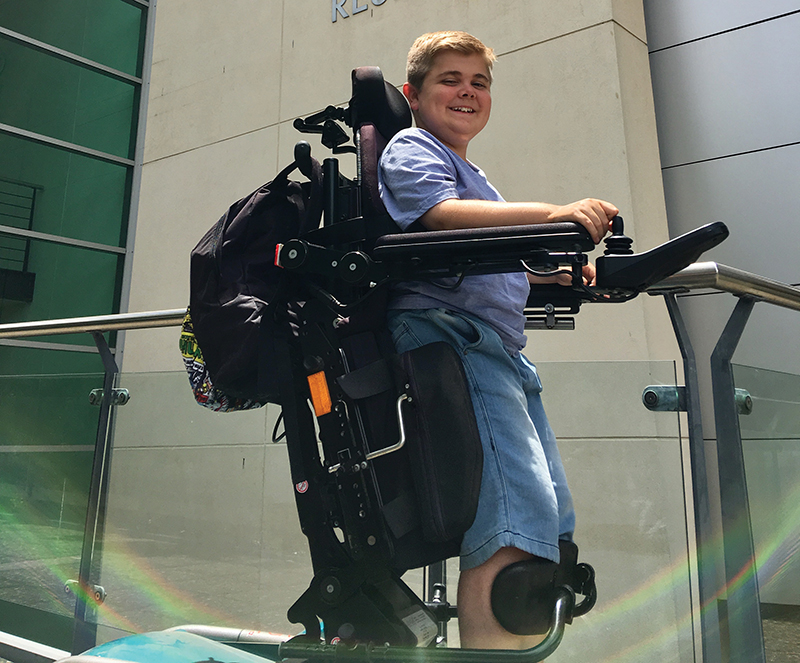
Standing up to a cruel DISEASE

Klair Bayley knew her son Logan would eventually need a wheelchair.

Impact: Paradigm Shift

On this Research Impact page, we showcase real game-changers - research that changes the very way other scientists around the world think and approach challenges. The far-reaching impact on children and families for all the stories shown on these pages is both exciting and significant.

Giving kids with CF a chance at a longer, healthier life

COMBAT CF is one of two long-standing international trials which have resulted in new early intervention options helping to reduce progressive lung damage in kids living with CF.

The ORIGINS Project: A platform for research discovery

The ORIGINS Project is a decade-long longitudinal study of more than 18,000 individuals including mothers, partners and children, as part of a collaboration between The Kids Research Institute Australia and Joondalup Health Campus.

Worrying findings lead to new project to help fathers flourish

New dads can feel undervalued and face significant health and mental health risks following the birth of a child, according to new research that has prompted a rethink about how to address the often-unmet needs of fathers.