
Search
Showing results for "Study of bullying"
Assessment of the persistence of bactericidal antibodies up to 4 years after a three-dose schedule of bivalent rLP2086
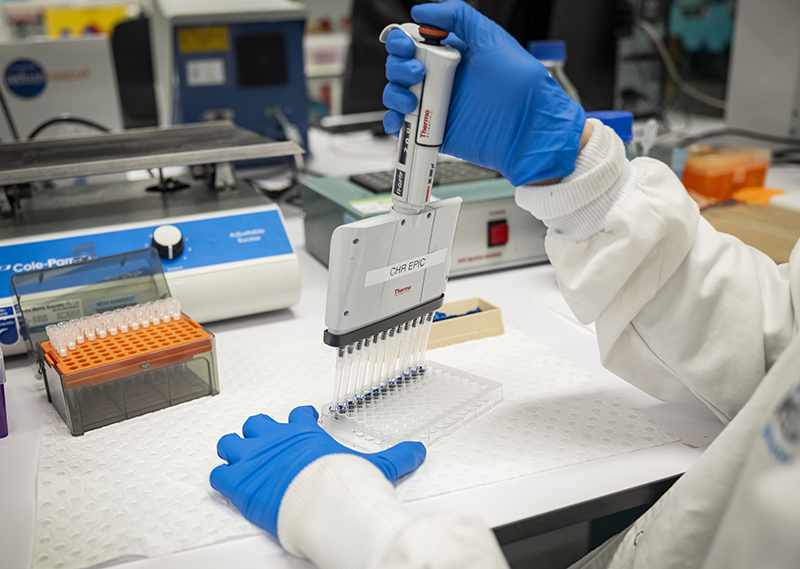
At least 2,000 WA healthcare workers will help test whether an existing tuberculosis vaccine can reduce their chance of COVID-19 infection, lessen the severity of symptoms and boost immunity.

As many as a quarter of Australian babies aren’t getting vaccinated on time, leaving them at risk of developing life-threatening illnesses such as whooping cough when they are most vulnerable.
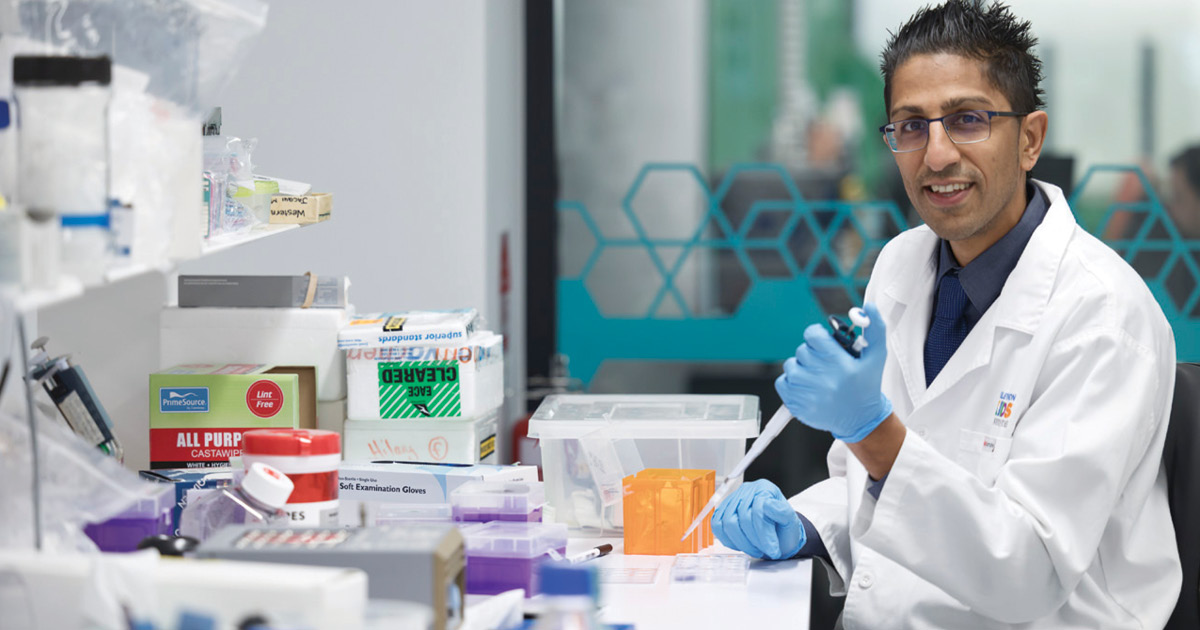
A pilot clinical study has found an immunotherapy drug can dramatically increase survival rates for babies with a rare form of leukaemia, paving the way for a major international clinical trial.
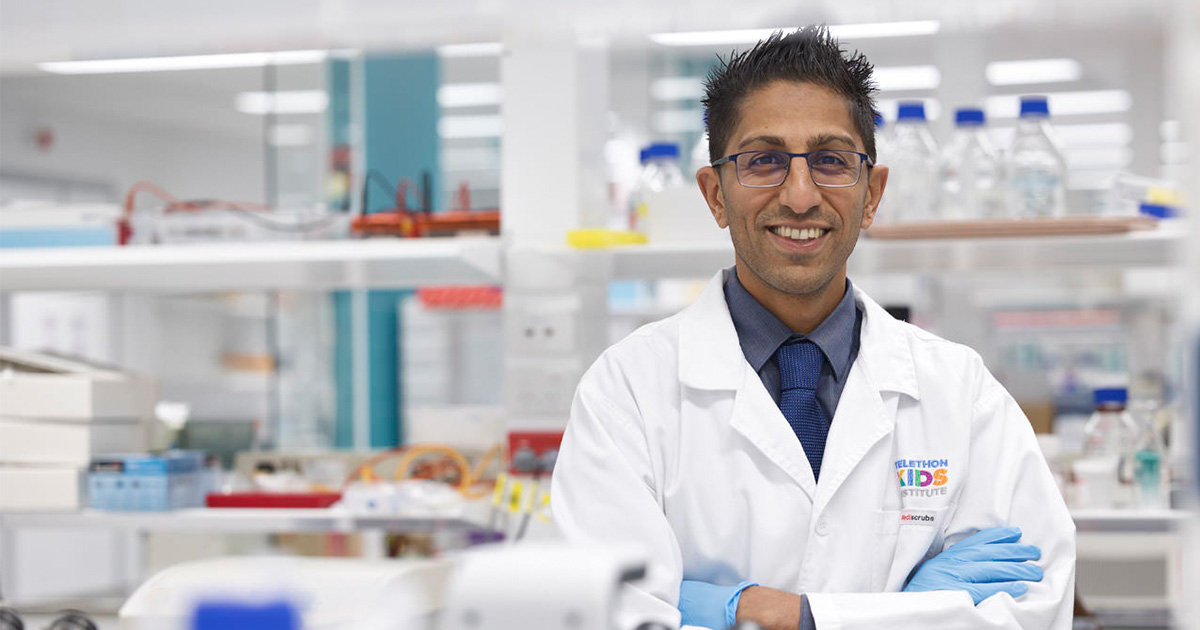
A world-first study involving more than 100 cancer researchers and clinicians across Australia – including from The Kids Research Institute Australia and Perth Children’s Hospital – has shown that precision medicine can significantly improve outcomes for children with high-risk cancer.
The Western Australian Epithelial Research Program (WAERP) biobank is undertaking a number of research projects intended to improve the understanding and preclinical assessment of therapeutics for respiratory conditions.
PPV is immunogenic in 9-month-old children at high risk of pneumococcal infections and does not affect the capacity to produce protective immune responses
Despite respiratory syncytial virus (RSV) being the leading cause of hospitalisations in the first year of life, there is currently no routine preventative option for otherwise healthy babies.
This study examined whether maternal and/or fetal folate status in pregnancy is associated with infant allergic outcomes.
Preliminary evidence suggests that prenatal testosterone exposure may be associated with language delay. However, no study has examined a large sample of...