
Search
Diabetes is the name for a number of different metabolic disorders in which the body's healthy levels of blood sugar (glucose) can't be maintained.Diabetes can have a significant impact on quality of life should complications develop. Diabetes can affect the individual's entire body.
Glue ear is when a child's middle ear fills with sticky fluid behind the ear drum. A common condition, glue ear usually goes undetected, as it's not an obvious condition from the outside.
Occurring in 1% of school-aged children, Tourette syndrome is a neurodevelopmental disorder characterised by uncontrollable movements and vocalisations known as tics.
Meningitis is when the membranes that surround the brain and spinal cord (meninges) become infected by the bacteria Neisseria meningitidis.
Pertussis, also known as whooping cough, is a highly contagious respiratory disease.
Childhood obesity prevalence is increasing globally, with Aboriginal and Torres Strait Islander children over-represented in Australian data. Evidence-based, community healthy lifestyle programs require culturally safe adaptation when implemented in new First Nations contexts, where prioritising access and engagement of First Nations groups is critical.
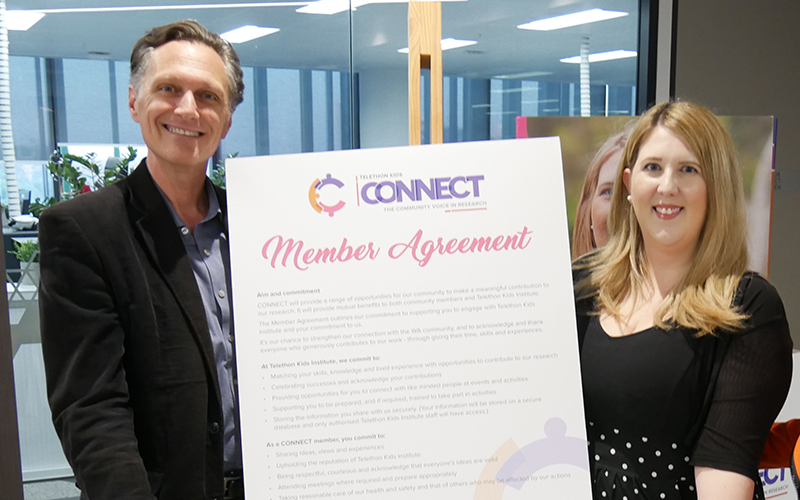
At The Kids Research Institute Australia, we’ve always known what a fantastic community we have around us.
Pregnant women are at higher risk of contracting listeriosis, which can lead to serious perinatal complications. This study evaluated associations between Listeria monocytogenes exposure, infant perinatal outcomes, and hospital resource use in a cohort of 1604 Australian mother-infant dyads.
Self-monitoring of glycaemia is a cornerstone of diabetes management, particularly for people using insulin. Traditionally, glucose monitoring involved finger-pricking and measuring capillary blood glucose concentration. Continuous glucose monitors have revolutionised self-monitoring of glucose levels.
Head lice is an ectoparasitic skin infection commonly seen in primary school-aged children. In remote Australia, where rates of other skin infections and downstream sequelae are endemic, the rate of head lice infestation is unknown.

Find out what our communities had to say about the draft Statement on Consumers and Community Involvement in Health and Medical Research.
Children with serious burns often suffer psychosocial consequences. This study evaluated the pilot of a 6-session psychoeducational intervention newly designed to support the wellbeing of children who experienced burns.

The Kids Research Institute Australia has been awarded a prestigious National Health and Medical Research Council (NHMRC) tender to lead the national review of the revised Draft Statement on Consumer and Community Involvement in Health and Medical Research.
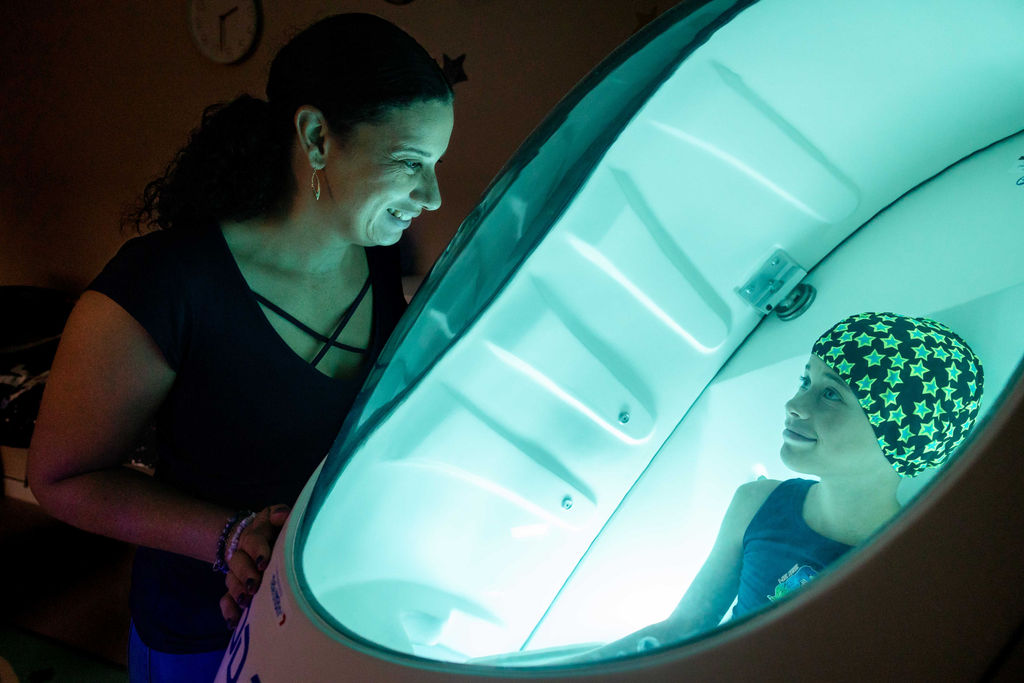
As well as ORIGINS long-term core research, there are a number of clinical trials, early interventions and shorter-term research studies that sit within ORIGINS. Known as sub-projects, these studies look at multiple aspects of child and family health and development.
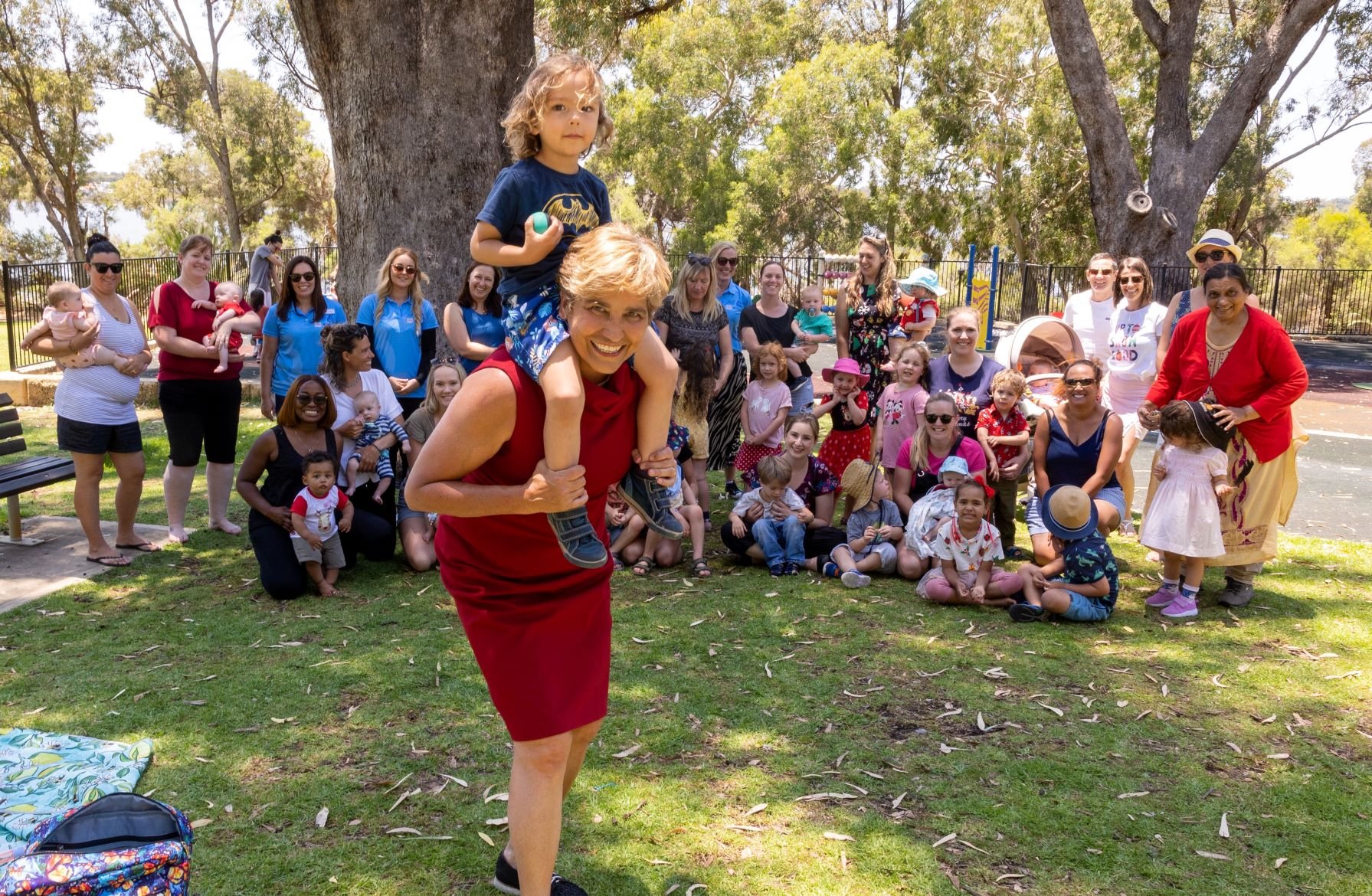
ORIGINS has officially reached the study's five-year goal of recruiting 4,000 active participants to the project and has closed recruitment of new families into the active cohort.
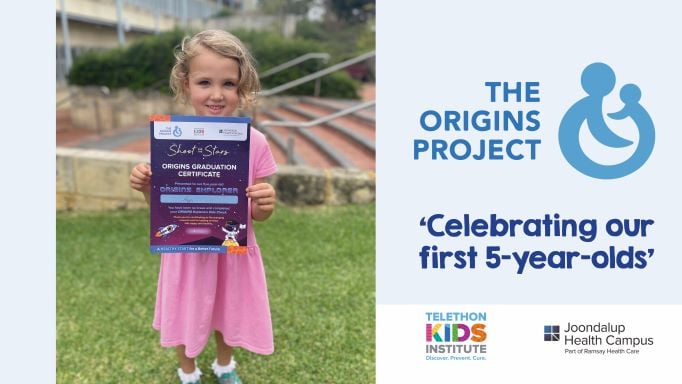
ORIGINS is celebrating its first five-year-old 'graduates'.

ORIGINS is collecting data from multiple sources from the mother, infant and partner at multiple timepoints from gestation through to five years of age.
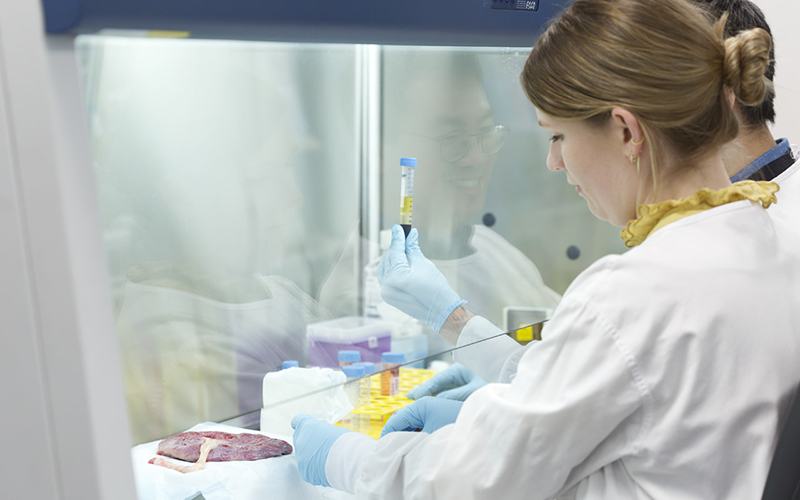
Four The Kids Research Institute Australia-based biobanks which underpin a range of cancer, respiratory and early life research have received more than $450,000 in funding.
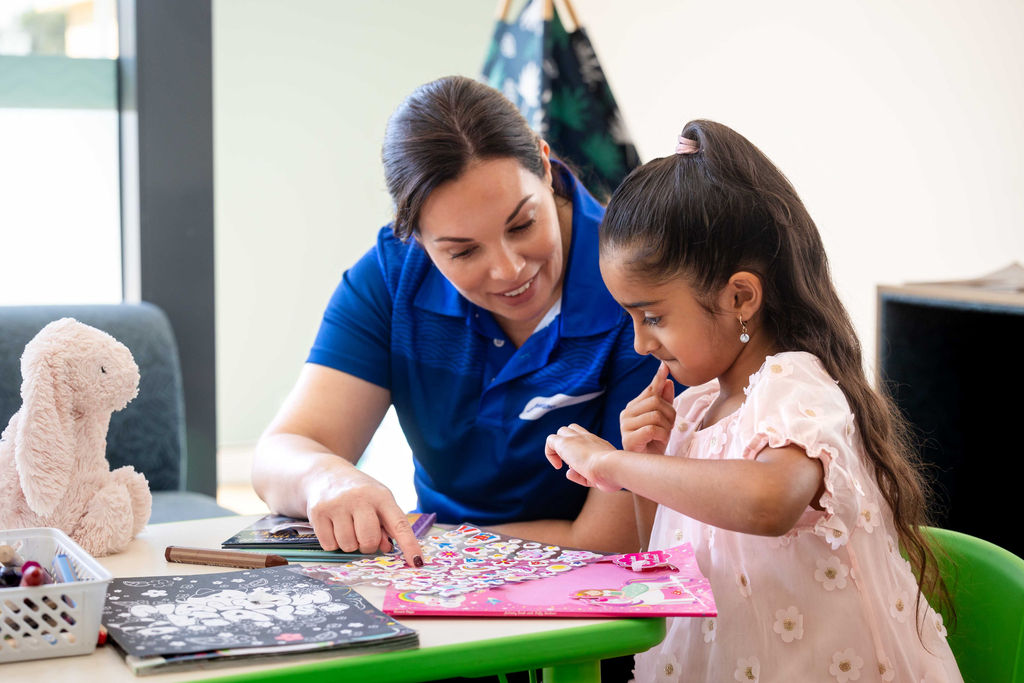
By participating in ORIGINS, you are contributing to one of the largest and most comprehensive birth cohort studies in Australia.
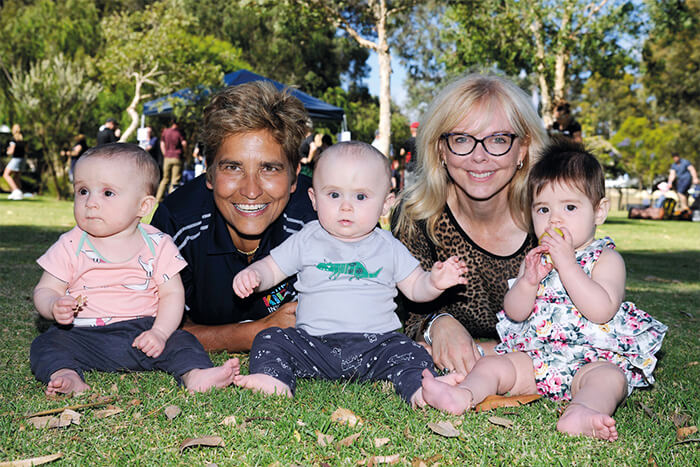
A collaboration between The Kids Research Institute Australia and Joondalup Health Campus is poised to be a game-changer for early childhood development.