
Search
We rely on the support of donors & fundraisers to be able to conduct the life changing pediatric research we do on a day-to-day basis. Will you help?
Research
ORIGINS of Neurodevelopmental Risk and ResilienceThis project aims to better understand the early genetic and environmental factors that the developing brain during a child’s first five years of life.
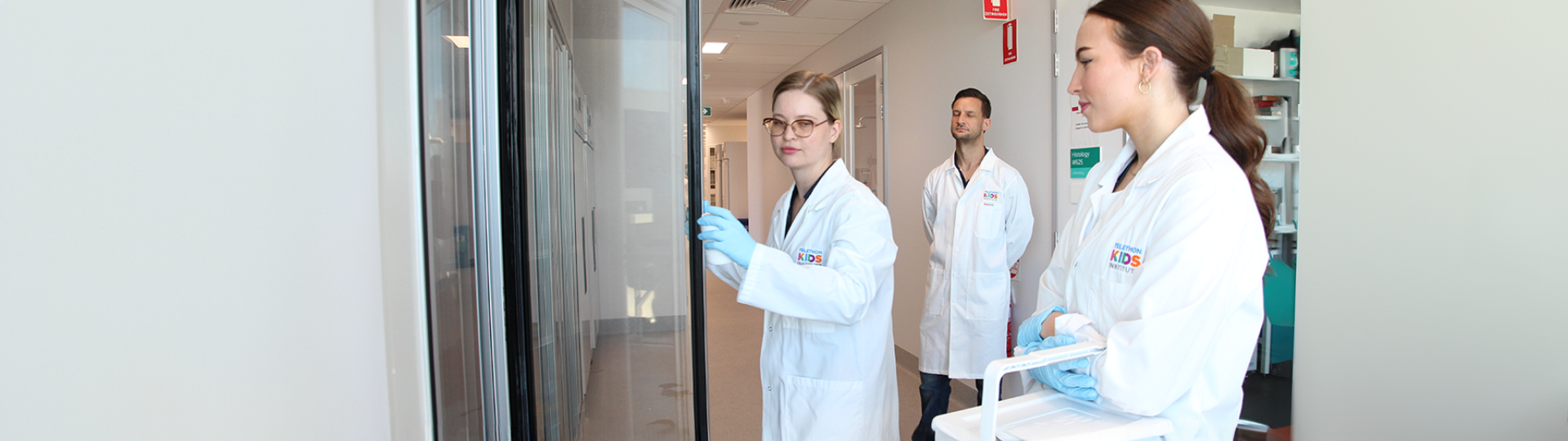
Within the Institute, we have a commitment to the highest standards of research with pro-active staff ensuring the lab environment is safe and secure.

In 2006, when a Japanese scientist building on the earlier work of a British biologist discovered a way to reprogram adult cells into other cell types – making them ‘pluripotent’ – the scientific world was entranced.
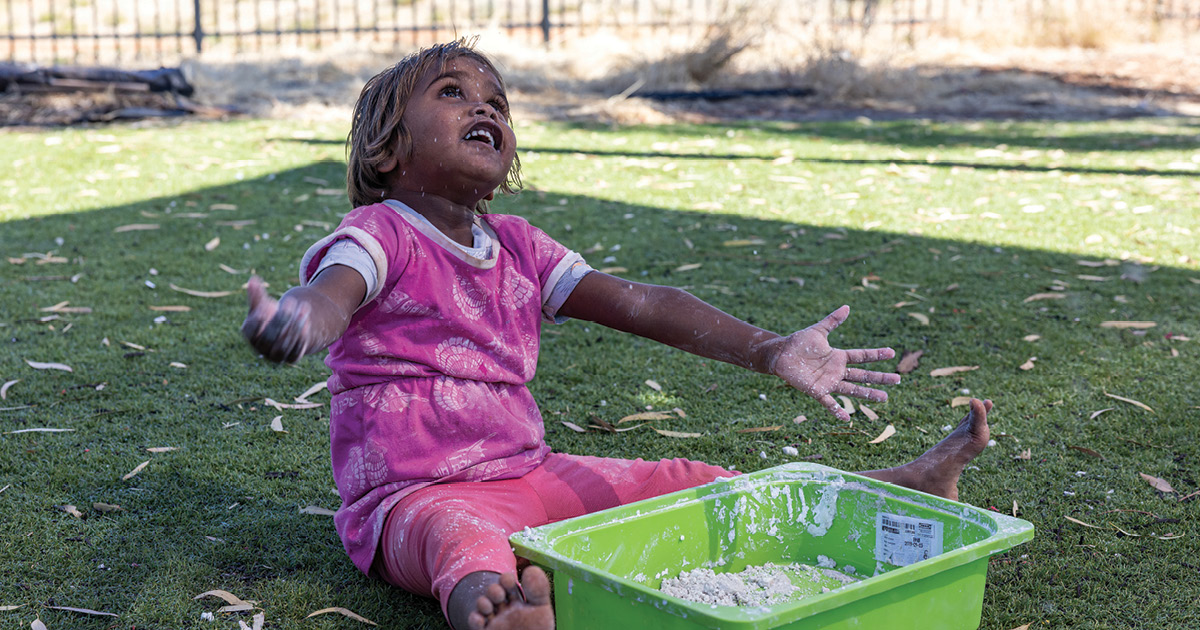
A unique initiative is combining research, action and advocacy to deliver evidence- based improvements to the health and wellbeing of Aboriginal families in Perth and Western Australia’s north west.
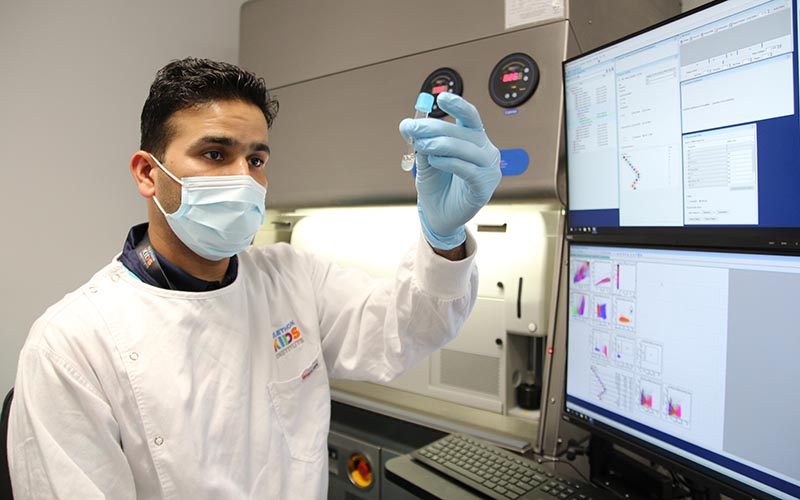
Flow cytometry is a technology used to measure complex cell phenotype and functions. Our Flow Facility is equipped with 3 flow cytometers/analysers, one...
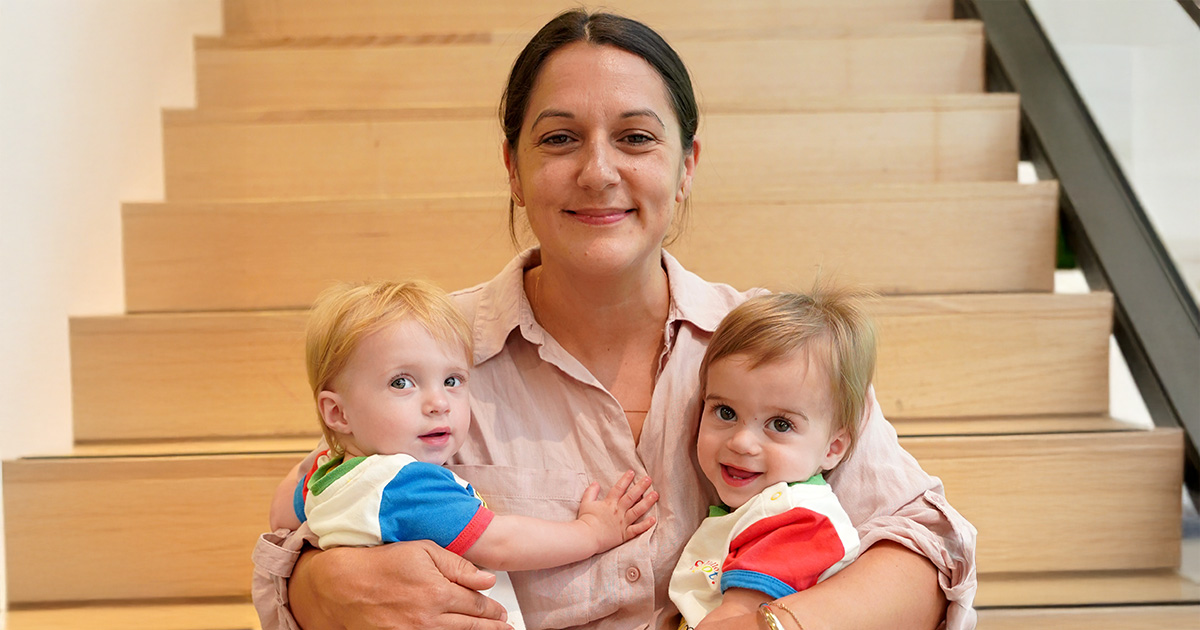
An Australian-first study, funded by Perth Children's Hospital Foundation, demonstrating the effectiveness of a new immunisation against respiratory syncytial virus (RSV) for babies found it to be almost 90 per cent effective in reducing hospitalisation rates.
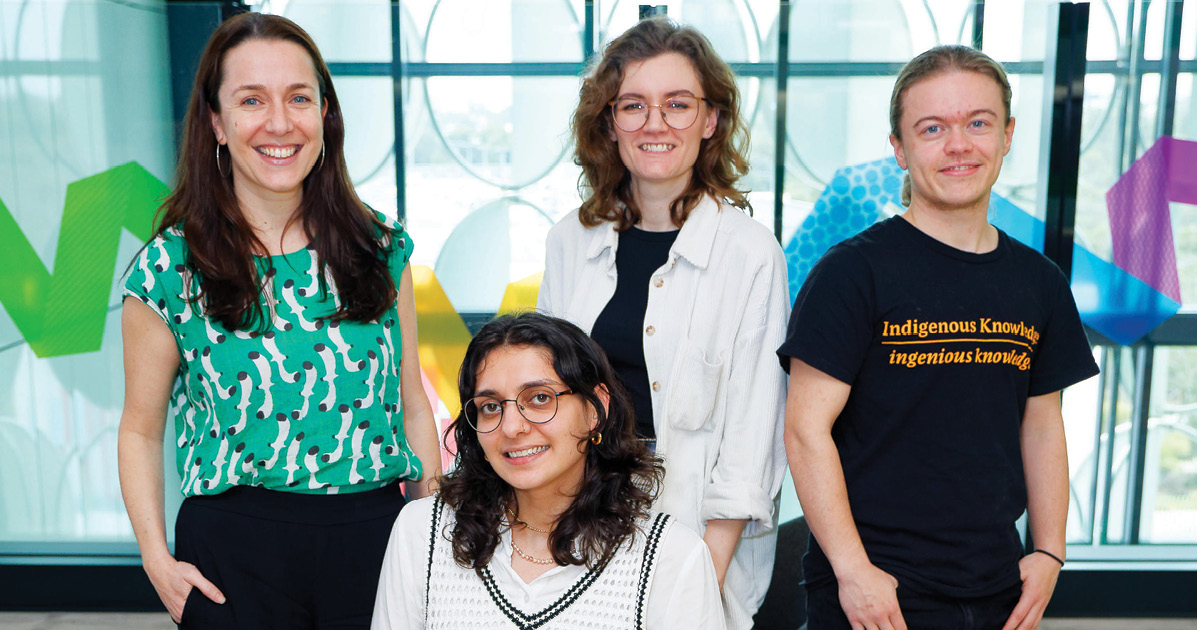
Alarming statistics laying bare the social emotional wellbeing and mental health challenges facing Aboriginal and Torres Strait Islander LGBTQA+ youth are driving a multi-partner program to provide them with greater support.
Research
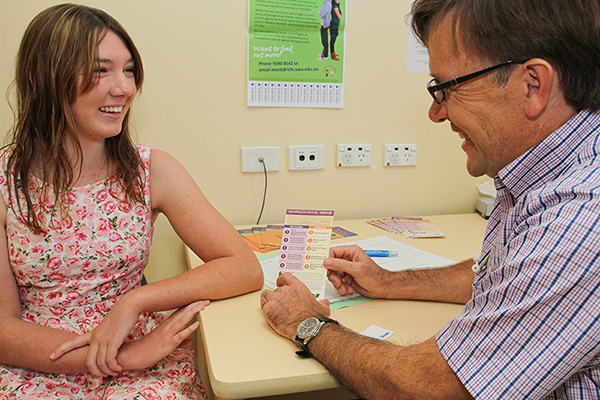
Meningococcal DiseaseMeningococcal disease is caused by the bacteria Neisseria meningitidis, or 'meningococcus'. It is an uncommon but very serious disease that can result in death if not recognised and treated quickly.
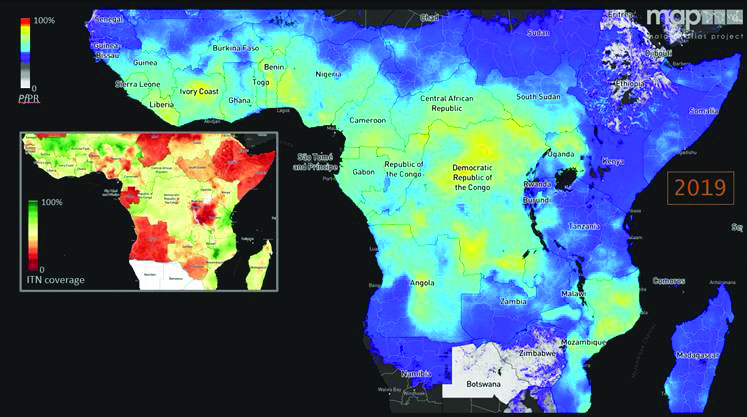
A global network of researchers led by Kerry M Stokes Chair of Child Health, Professor Pete Gething, is working to help support informed decision-making for malaria control at international, regional and national scales.