
Search
Showing results for "Professor"
Research
From Authoritarianism to Advocacy: Lifestyle-Driven, Socially-Transmitted Conditions Require a Transformation in Medical Training and PracticeHere, we open a dialogue on authoritarianism in westernized medicine as a starting point in order to encourage the development of critical research
Research
The parent empowerment scale: development and psychometric propertiesParents of trans and gender diverse (herein ‘trans’) children experience additional challenges in their parenting role relative to parents of cisgender children. Understanding and enhancing parents’ empowerment is a promising approach to support both parents and children. We aimed to develop an empowerment scale specific to parents of trans children, grounded in parents’ lived experiences.
Research
Parents’ Disclosure of Their Child’s Health and Neurodevelopmental Conditions: A Systematic Review and Qualitative MetasynthesisParents of children with physical/mental health and/or neurodevelopmental conditions often need to make disclosure decisions for their child. Disclosure can bring benefits (e.g., support) but can also risk harm (e.g., stigma). This systematic review aimed to consolidate research regarding parents' disclosure experiences to better understand how to support parents during this process.
Research
‘People don't trust those pieces of paper that are provided’: A qualitative study of cultural planning and outsourced out-of-home care services in Western AustraliaAboriginal and Torres Strait Islander children continue to be removed at high rates from their families by child protection services, placing them at elevated risk of adverse long-term life outcomes. Cultural connection in out-of-home care is essential for mitigating the impacts of trauma from removal, emphasizing the importance of ensuring that cultural planning is rigorously undertaken. This article explores the provision of cultural plans in an era where out-of-home care services are outsourced by government, but where government holds onto the responsibility for developing cultural plans for children in care.

More than 3,000 skin checks have been undertaken as part of a large clinical trial in WA’s Kimberley region aimed at halving the burden of skin sores in school-aged Aboriginal children.
Research
Caregivers' Perceptions of Clinical Symptoms, Disease Management, and Quality of Life Impact in Cases of Cyclin-Dependent Kinase-Like 5 Deficiency Disorder: Cross-Sectional Online SurveyCyclin-dependent kinase-like 5 (CDKL5) deficiency disorder (CDD) is an ultrarare genetic condition causing developmental epileptic encephalopathy characterized by seizures and motor and intellectual disabilities. No disease-modifying therapies are available, and treatments focus mainly on symptom management to improve quality of life.
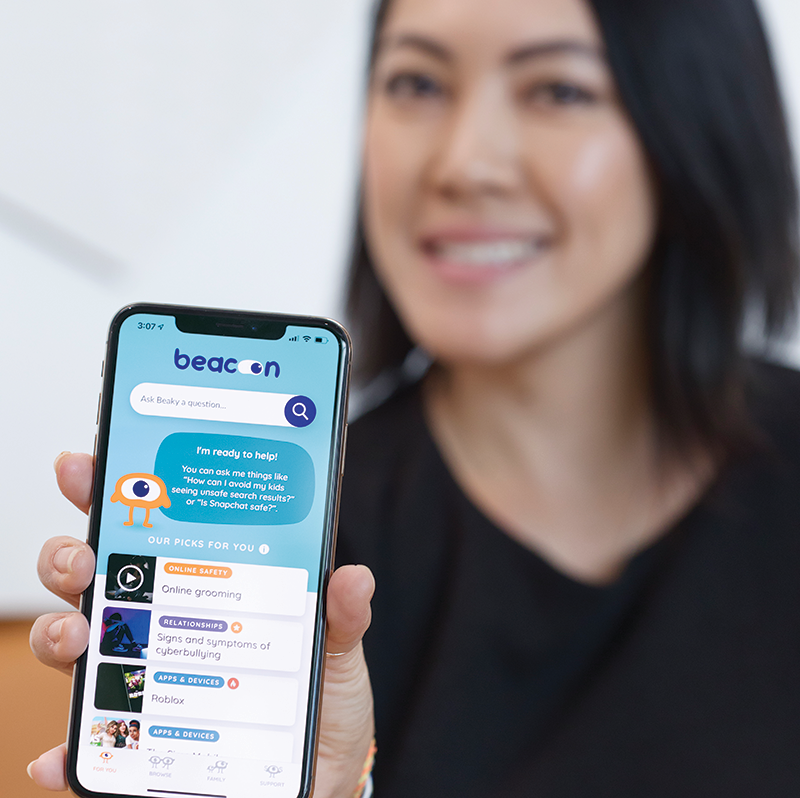
Parents, carers and educators have embraced an innovative tool in the battle to keep kids safe online - Beacon, an Australia-first, evidence-based cyber safety app.
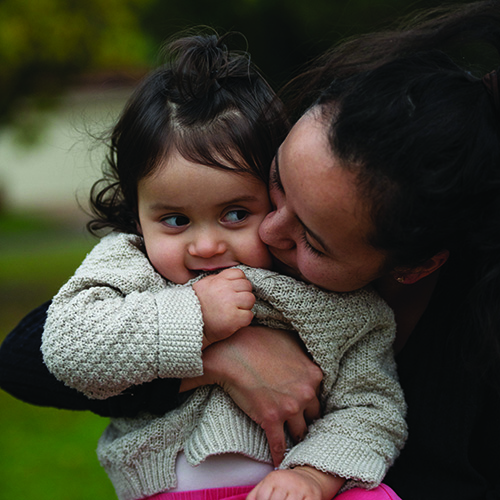
Patricia Ilchuk can still recall the day in August 2020 when her daughter Manna – then five weeks old – had her first seizure.
Research
Real world impact of 13vPCV in preventing invasive pneumococcal pneumonia in Australian children: A national studyWe aimed to assess the direct protective effect of 13 valent pneumococcal conjugate vaccine (13vPCV) against invasive pneumococcal pneumonia (IPP; including pneumonia and empyema) in children using a nation-wide case-control study across 11 paediatric tertiary hospitals in Australia.
Research
Antibiotics for the treatment of lower respiratory tract infections in children with neurodisability: Systematic reviewDetermine the optimal antibiotic choice for lower respiratory tract infection in children with neurodisability.