
Search
Research
Study Protocol for a Stepped-Wedge Cluster (Nested) Randomized Controlled Trial of Antenatal Colostrum Expression (ACE) Instruction in First-Time Mothers: The ACE StudyAlthough many mothers initiate breastfeeding, supplementation with human-milk substitutes (formula) during the birth hospitalization is common and has been associated with early breastfeeding cessation. Colostrum hand expressed in the last few weeks before birth, known as antenatal colostrum expression (ACE), can be used instead of human-milk substitutes. However, evidence is lacking on the efficacy of ACE on breastfeeding outcomes and in non-diabetic mothers.
Research
Research opportunities for the primordial prevention of rheumatic fever and rheumatic heart disease - streptococcal vaccine development: a national heart, lung and blood institute workshop reportStreptococcus pyogenes, also known as group A streptococcus (StrepA), is a bacterium that causes a range of human diseases, including pharyngitis, impetigo, invasive infections, and post-infection immune sequelae such as rheumatic fever and rheumatic heart disease. StrepA infections cause some of the highest burden of disease and death in mostly young populations in low-resource settings. Despite decades of effort, there is still no licensed StrepA vaccine, which if developed, could be a cost-effective way to reduce the incidence of disease.
Research
Verschlimmbesserung: Craniospinal Radiotherapy Is Essential in WNT Medulloblastoma PatientsStandard-risk WNT medulloblastoma patients have an excellent prognosis using the combination of standard dose craniospinal radiotherapy (CSI) followed by platinum and alkylator based chemotherapy. A recent pilot study that attempted to completely omit radiotherapy was terminated early as all patients relapsed rapidly. The study highlights that therapy is the most important prognostic factor, with CSI still required to cure even the most favorable subgroup of medulloblastoma patients.
Research
Presence of onco-fetal neighborhoods in hepatocellular carcinoma is associated with relapse and response to immunotherapyOnco-fetal reprogramming of the tumor ecosystem induces fetal developmental signatures in the tumor microenvironment, leading to immunosuppressive features. Here, we employed single-cell RNA sequencing, spatial transcriptomics and bulk RNA sequencing to delineate specific cell subsets involved in hepatocellular carcinoma relapse and response to immunotherapy.
Research
Outcomes following intensive day rehabilitation for young people in Western AustraliaIntensive rehabilitation aims to improve and maintain functioning in young people who experience disability due to illness or injury. Day rehabilitation may have advantages for families and healthcare systems over inpatient models of rehabilitation.

Within the Institute, we have a commitment to the highest standards of research with pro-active staff ensuring the lab environment is safe and secure.
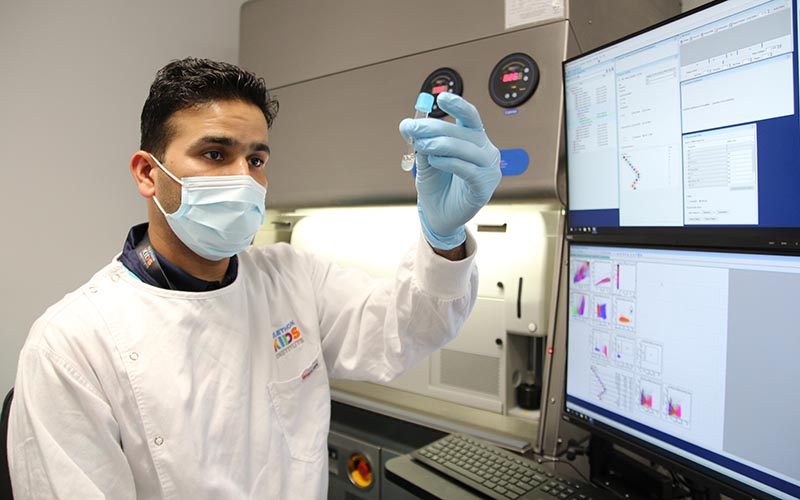
Flow cytometry is a technology used to measure complex cell phenotype and functions. Our Flow Facility is equipped with 3 flow cytometers/analysers, one...

News & Events
Prestigious grants to support lung health and suicide prevention researchTwo researchers focused on improving outcomes for children with chronic lung disease and averting suicide contagion and suicide clusters in young people have won prestigious Investigator Grants from the National Health and Medical Research Council.

News & Events
Spotlight on kids' menus shows almost all are unhealthyThe first Australian study to evaluate the nutritional content of Kids’ Menus at restaurants and cafés has found the overwhelming majority are unhealthy.
News & Events
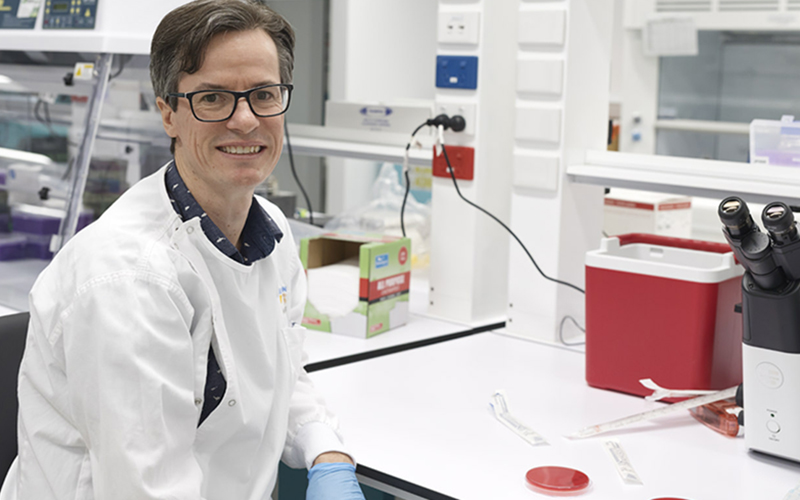
WA Health funding supports development of rapid test for antibiotic-resistant skin infections in Aboriginal childrenA rapid test to detect antibiotic-resistant skin infections in Aboriginal children could be a step closer, thanks to support from the FHRIF.