
Search
Showing results for "Au"
Research
Adjusting for under-identification of Aboriginal and/or Torres Strait Islander births in time series produced from birth recordsStatistical time series derived from administrative data sets form key indicators in measuring progress.
News & Events
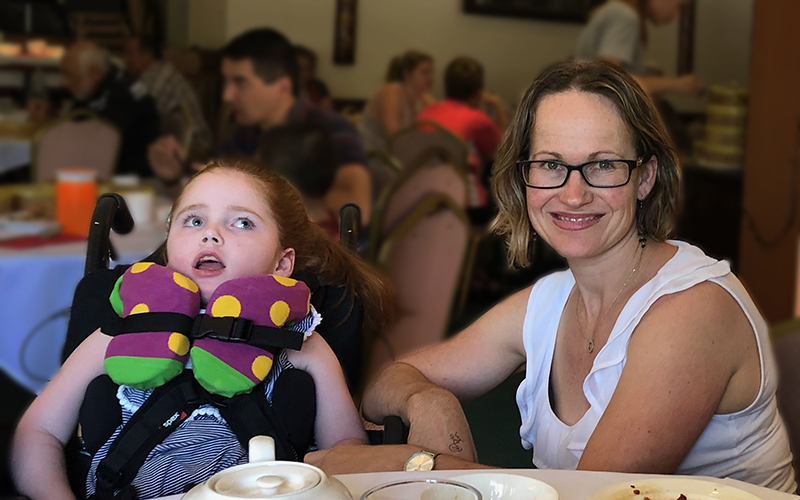
Feeding change helps keep kids with intellectual disability out of hospitalChildren with intellectual disability who underwent gastrostomy – a feeding tube placed into the stomach – had better overall health and fewer hospitalisations for all causes except acute respiratory illnesses, research led by The Kids Research Institute Australia has found.
Research
Health and well-being needs of Indigenous adolescents: A protocol for a scoping review of qualitative studiesImproving the health of Indigenous adolescents is central to addressing the health inequities faced by Indigenous peoples. To achieve this, it is critical to understand what is needed from the perspectives of Indigenous adolescents themselves. There have been many qualitative studies that capture the perspectives of Indigenous young people, but synthesis of these has been limited to date.
Research
Confident and Trustworthy Model for Fidgety Movement ClassificationGeneral movements (GMs) are part of the spontaneous movement repertoire and are present from early fetal life onwards up to age five months. GMs are connected to infants' neurological development and can be qualitatively assessed via the General Movement Assessment. In particular, between the age of three to five months, typically developing infants produce fidgety movements and their absence provides strong evidence for the presence of cerebral palsy.
Research
Extreme weather events, home damage, and the eroding locus of controlThe catastrophic consequences of natural disasters on social and economic systems are extensively documented, yet their influence on individuals' sense of control over their life outcomes remains unexplored. This study pioneers an investigation into the causal effects of natural disaster-related home damage on the locus of control.
Research
Cardiac monitoring safety assessment framework for early phase group a streptococcal vaccine trialsThis paper presents a comprehensive cardiac safety framework for early clinical development of Streptococcus pyogenes (Group A Streptococcus) vaccines, endorsed by the Strep A Vaccine Global Consortium and the Australian Strep A Vaccine Initiative. Given historical concerns about vaccine-associated acute rheumatic fever, we have established standardized echocardiography protocols integrated with clinical assessment for monitoring cardiac safety in early-phase vaccine trials.
News & Events
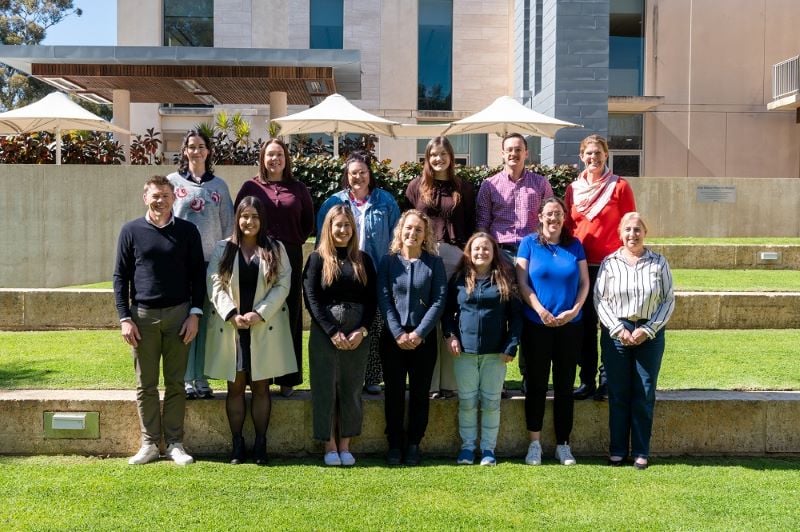
Community Involvement in the Centre's ResearchFind out what out T1D Community Representatives have been working on
News & Events
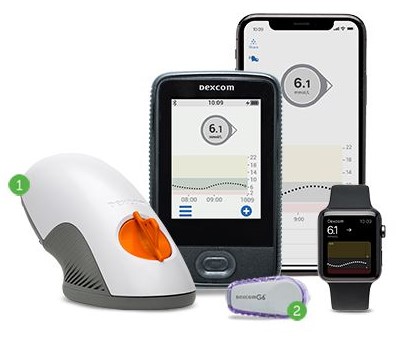
Who are our technology researchers and what do they do?A new Q&A series focusing on the different research themes within the Children’s Diabetes Centre - technology.
Research
Rheumatic heart disease in Timor-Leste school students: an echocardiography-based prevalence studyThe rates of RHD in Timor-Leste are among the highest in the world, and prevalence is higher among girls than boys
Research
Epitope-Binding Characteristics for Risk versus Protective DRB1 Alleles for Visceral LeishmaniasisOur data provide insight into the molecular mechanisms underpinning the association of HLA-DRB1 alleles with risk versus protection in visceral leishmaniasis in humans