
Search
Urine is an attractive biospecimen for nutritional status and population health surveys. It is an excellent non-invasive alternative to blood for appropriate biomarkers in young children and is suitable for home-based collection, enabling representative collections across a population. However, the bulk of literature in this population is restricted to collection in primary care settings.

Four The Kids Research Institute Australia researchers have received prestigious fellowships and four significant cohort studies led or co-led by The Kids have received key grants under two new funding programs supported by the State Government’s Future Health Research and Innovation (FHRI) Fund.
Catch up on the December 2023 edition of our Research News.
Dietary intake during the first year of life is a key determinant of a child's growth and development. ORIGINS is a longitudinal birth cohort study investigating factors that contribute to a 'healthy start to life' and the prevention of non-communicable diseases.
This study will test the hypothesis that the mechanisms of childhood asthma begin in the respiratory tract as early as birth.
Amy Jenny Susan Desiree Keerthi Finlay-Jones Downs Prescott Silva Kottampally BPsych(Hons), MPsych(Clinical), MHealthEcon, PhD (Clin Psych) BApplSci
Early infancy is a critical period for immune development. In addition to being the primary food source during early infancy, human milk also provides multiple bioactive components that shape the infant gut microbiome and immune system and provides a constant source of exposure to maternal microbiota. Given the potential interplay between allergic diseases and the human microbiome, this study aimed to characterise the milk microbiome of allergic mothers.
Ingestion of prebiotics during pregnancy and lactation may have immunomodulatory benefits for the developing fetal and infant immune system and provide a potential dietary strategy to reduce the risk of allergic diseases. We sought to determine whether maternal supplementation with dietary prebiotics reduces the risk of allergic outcomes in infants with hereditary risk.
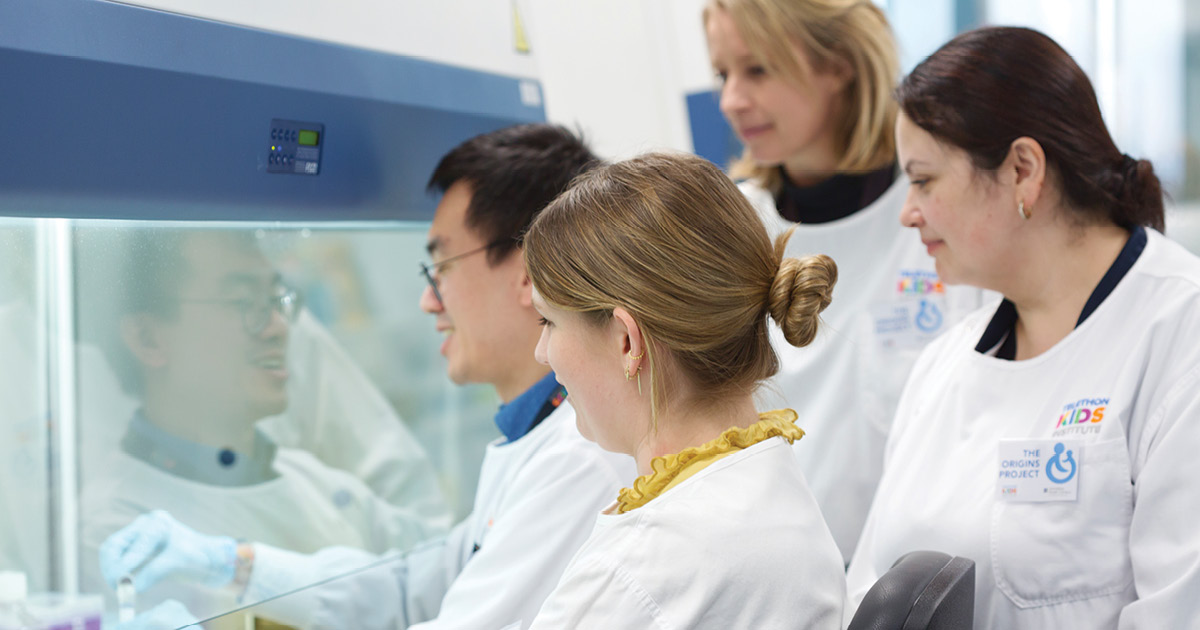
What if researchers could shop for different data to help uncover how, when and why chronic conditions such as asthma, obesity, allergies and poor mental health develop?

Research data from more than one million Australian and Welsh children will be examined to help better understand how the built environment affects child health and obesity, as part of an international research project to be co-led by The Kids Research Institute Australia.