
Search
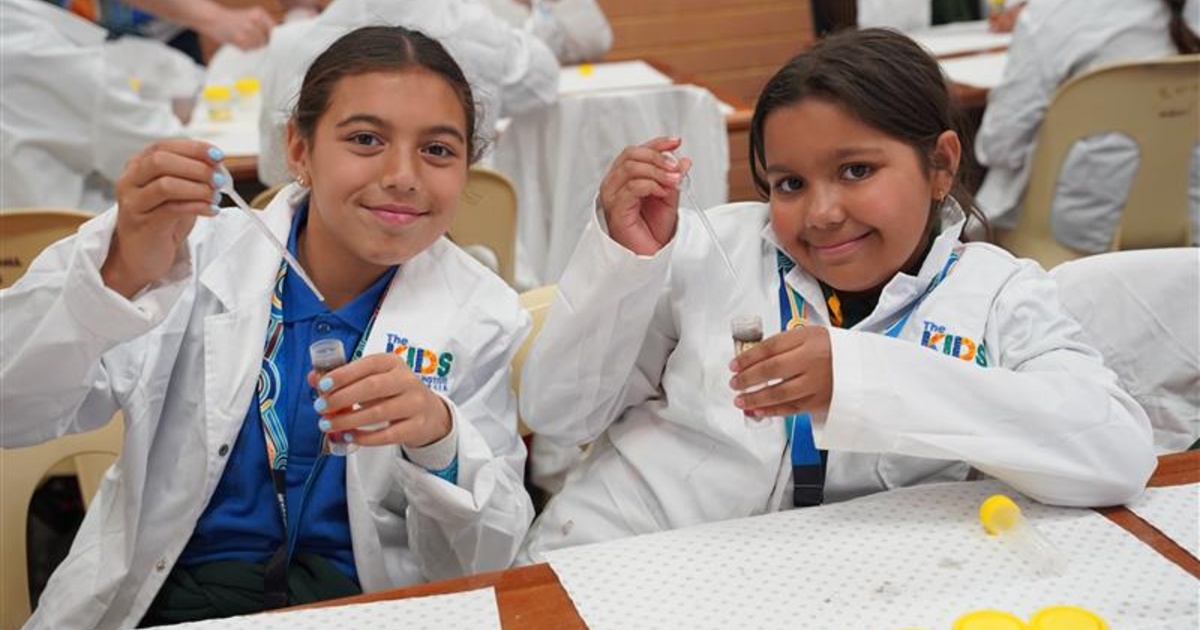
The Kids Research Institute Australia is returning to Kalgoorlie on 20 and 21 May 2026 to host its second STEM Festival and set off a chain-reaction of fun, with two idea-fuelled days of activities planned for local children and families
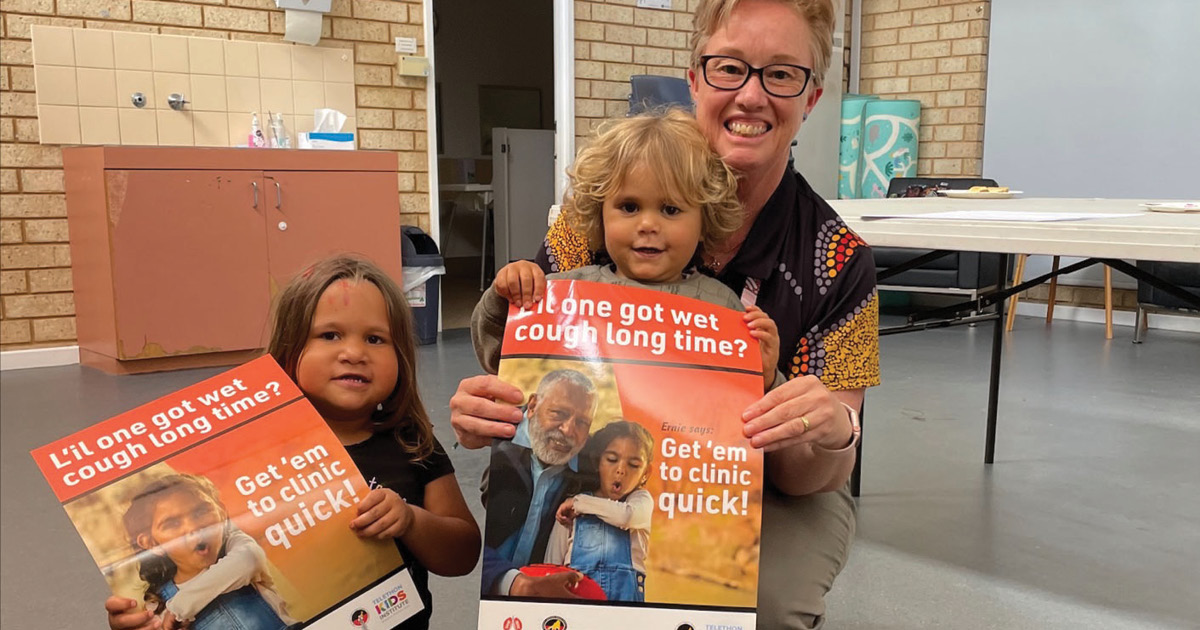
A program aimed at raising awareness of the dangers of a chronic wet cough in Aboriginal children has been extended to 14 remote and regional towns in Western Australia - thanks to a partnership between The Kids Research Institute Australia and Cystic Fibrosis WA.
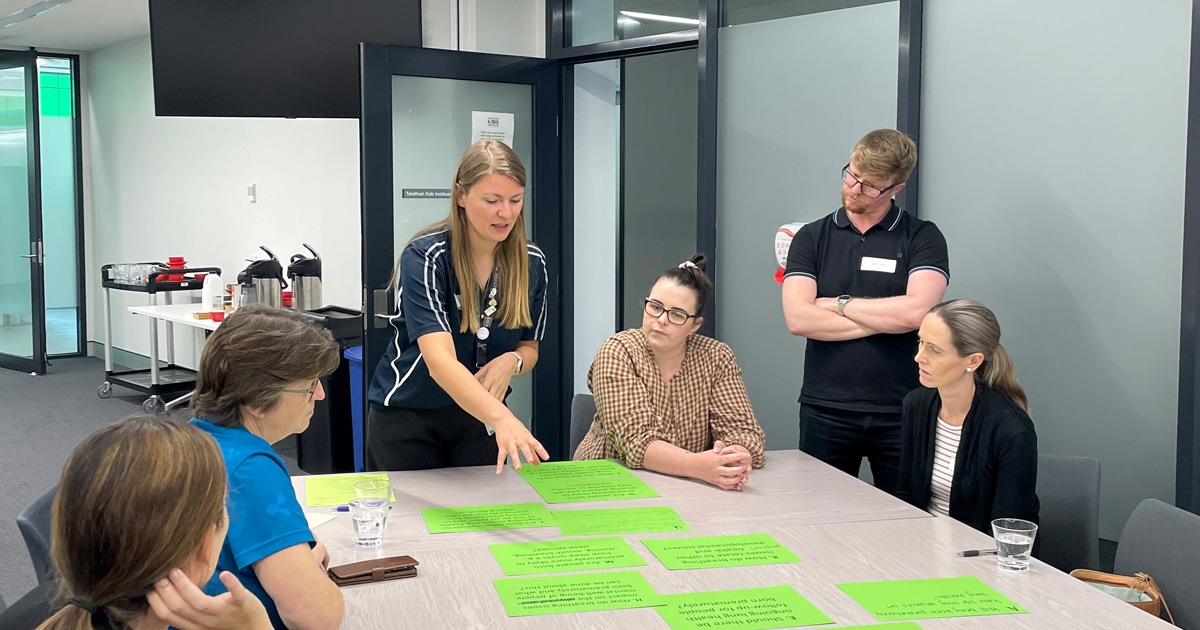
A project to uncover treatable traits to improve the lung health of people born preterm has been made possible thanks to a $1.99 million Medical Research Future Fund (MRFF) grant.
Respiratory disease remains one of the most significant complications of preterm birth, with lasting consequences.

Researchers developing a world-first treatment that targets an underlying cause of asthma have secured a $499,640 grant from the Future Health, Research and Innovation Fund – Innovation Seed Fund.
SHIP-CT, led by Professor Stephen Stick, Director of the Wal-yan Respiratory Research Centre at The Kids, is a unique study in preschool-aged children (from 3-6 years of age) with CF using images of the lung from chest CT scans as the main outcome measure.
A phase 3 multi-centre randomized placebo-controlled study of azithromycin in the primary prevention of radiologically-defined bronchiectasis in infants with cystic fibrosis
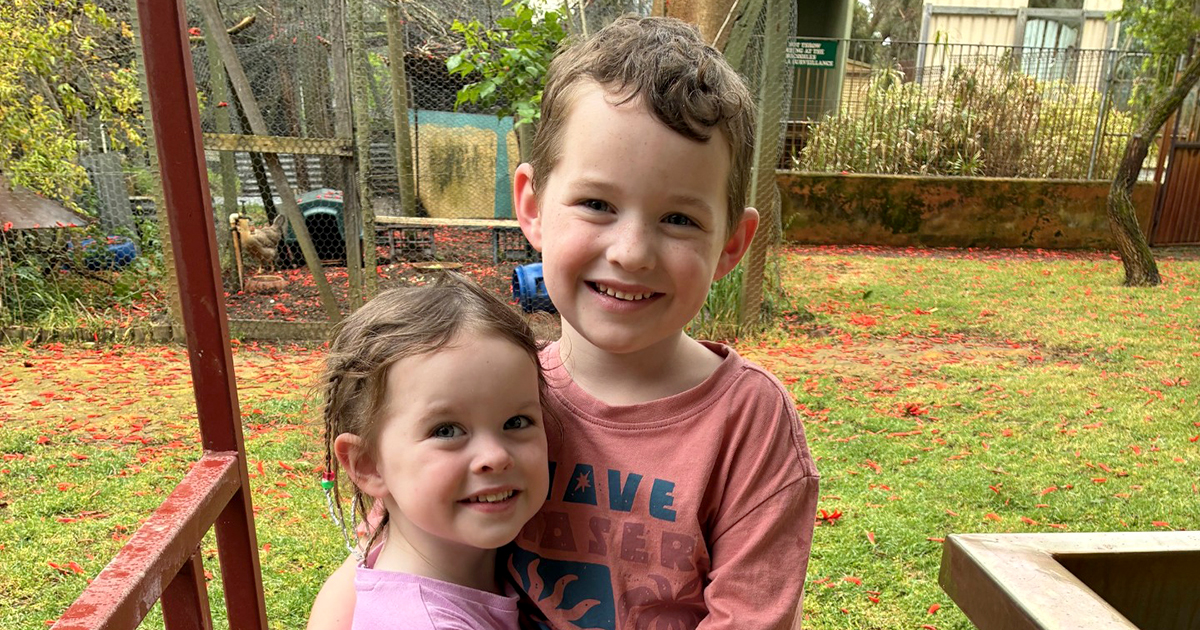
For decades, cystic fibrosis (CF) meant a life shaped by daily treatments, frequent hospitalisations, and an uncertain future. The arrival of CFTR modulators has changed that picture dramatically, and researchers at the Wal-yan Respiratory Research Centre now want to understand the bigger picture.
The Kids Research Institute Australia and Dolly's Dream are proud to deliver Beacon - a cyber safety educational app designed to keep parents and carers up-to-date with trusted, tailored information, to help keep their kids safe online.
Even in the safety of their home, there are many risky places a child or teenager can visit online. This can be due to the content they see, who they come into contact with, and personal information they share.