
Search
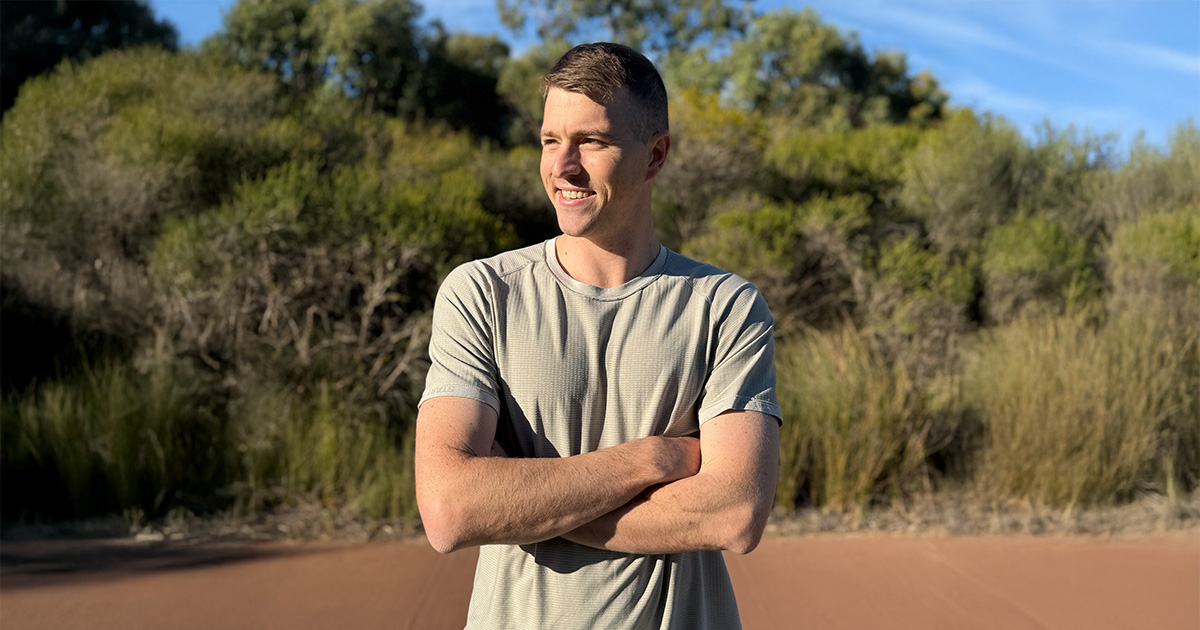
On Monday 1 September, childhood cancer researcher Jacob Byrne is lacing up his running shoes and taking the first steps of an extraordinary challenge: 30 marathons in 30 days across Perth.
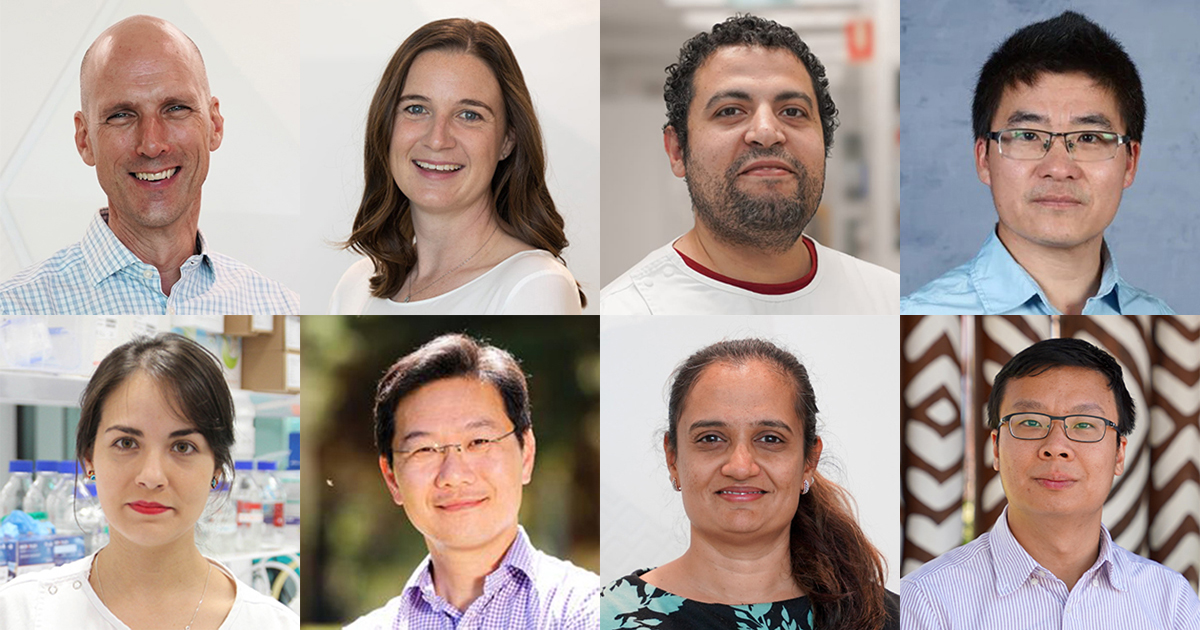
Eight childhood cancer researchers have been awarded over $2 million in transformative grants from Cancer Council WA to advance their pioneering work in improving cancer treatments and outcomes for patients in Western Australia and around the world.
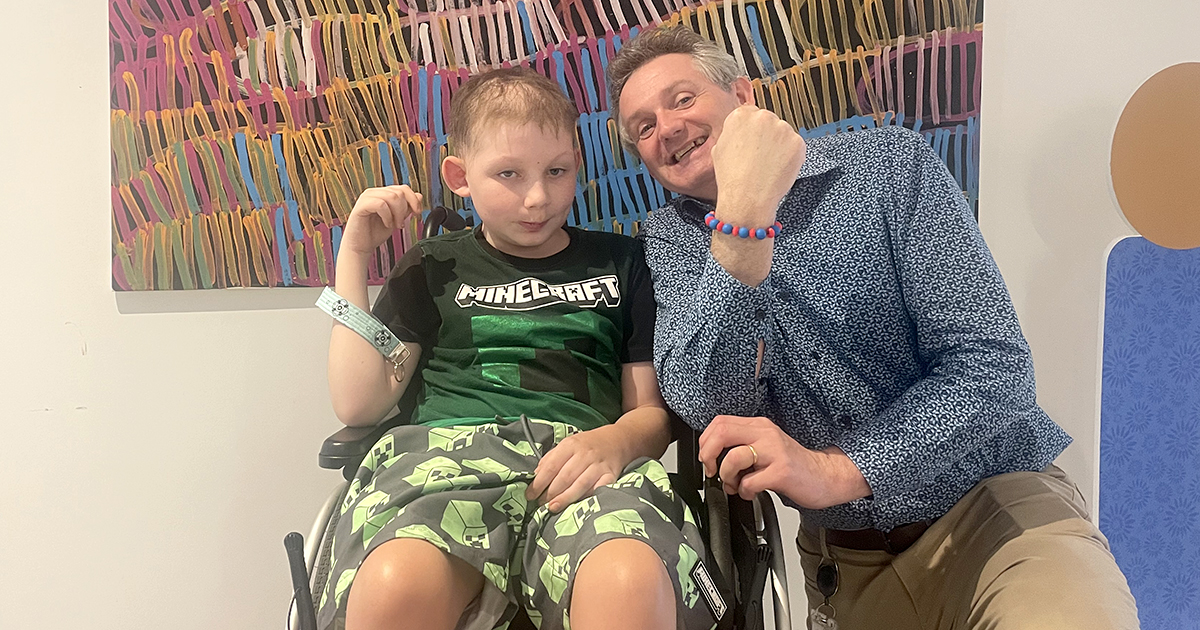
From a handful of handmade bracelets to a fundraising milestone with life-changing impact, Nickolai’s journey is one defined by resilience, generosity, and hope.
Improving maternal gut health in pregnancy and lactation is a potential strategy to improve immune and metabolic health in offspring and curtail the rising rates of inflammatory diseases linked to alterations in gut microbiota. Here, we investigate the effects of a maternal prebiotic supplement (galacto-oligosaccharides and fructo-oligosaccharides), ingested daily from <21 weeks' gestation to six months' post-partum, in a double-blinded, randomised placebo-controlled trial.
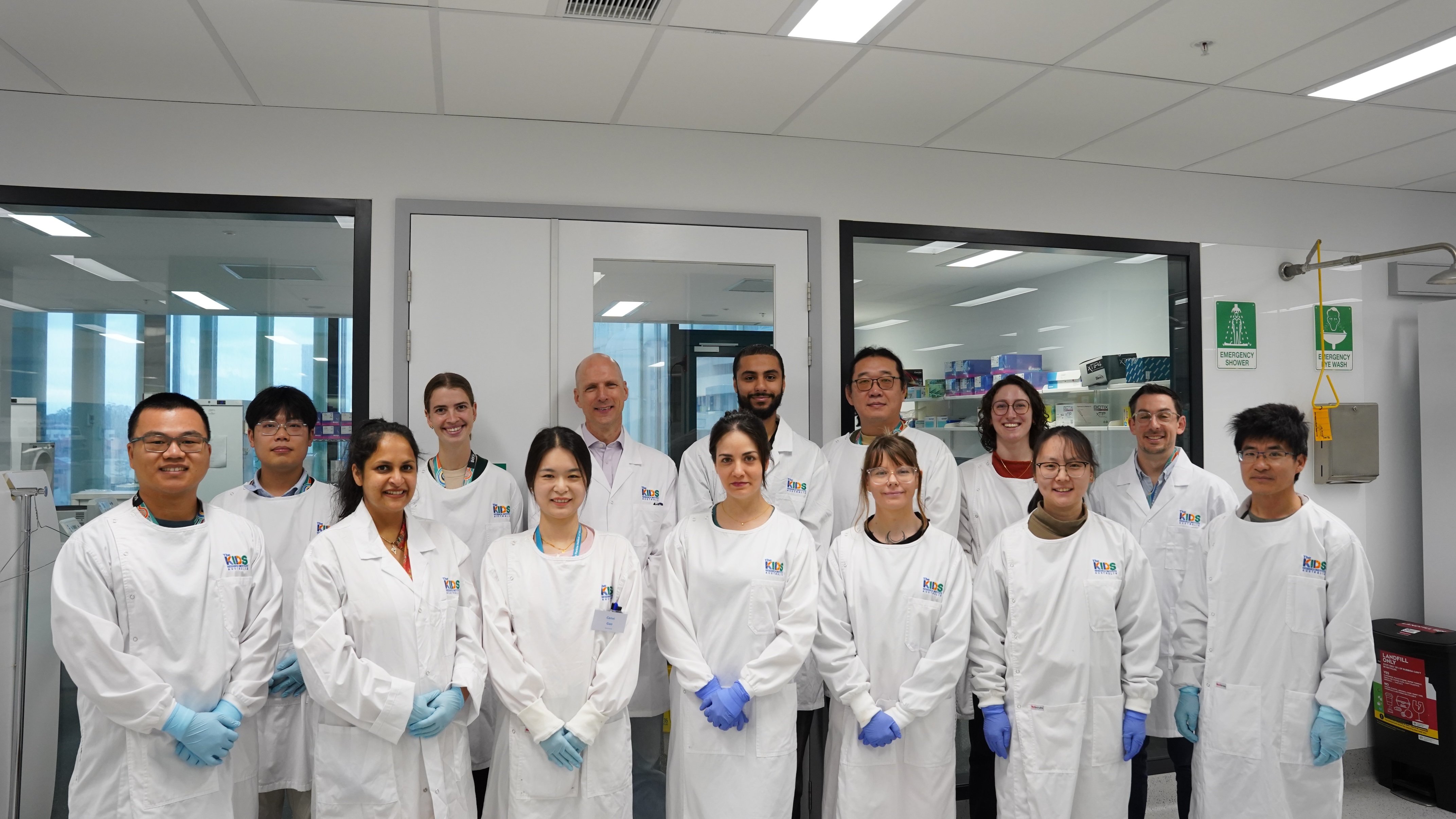
We aim to discover and develop safer and more effective treatments by doing inventive and rigorous research to improve outcomes for kids with cancer.
This study aimed to assess the effect of n-3 fatty acid supplementation in pregnancy on offspring SPM at birth and 12 years of age (12 years)
The term 'ultra-processed food' emerged in the 1980s, mostly used in reference to highly-processed convenience foods and snacks, often energy-dense, poor in nutrients, and inclusive of various synthetic additives such as emulsifiers, colors, artificial sweeteners, and/or flavor enhancers.

As WA's first research collaboration dedicated to mental health, we work to do the research that the community wants to see happen.
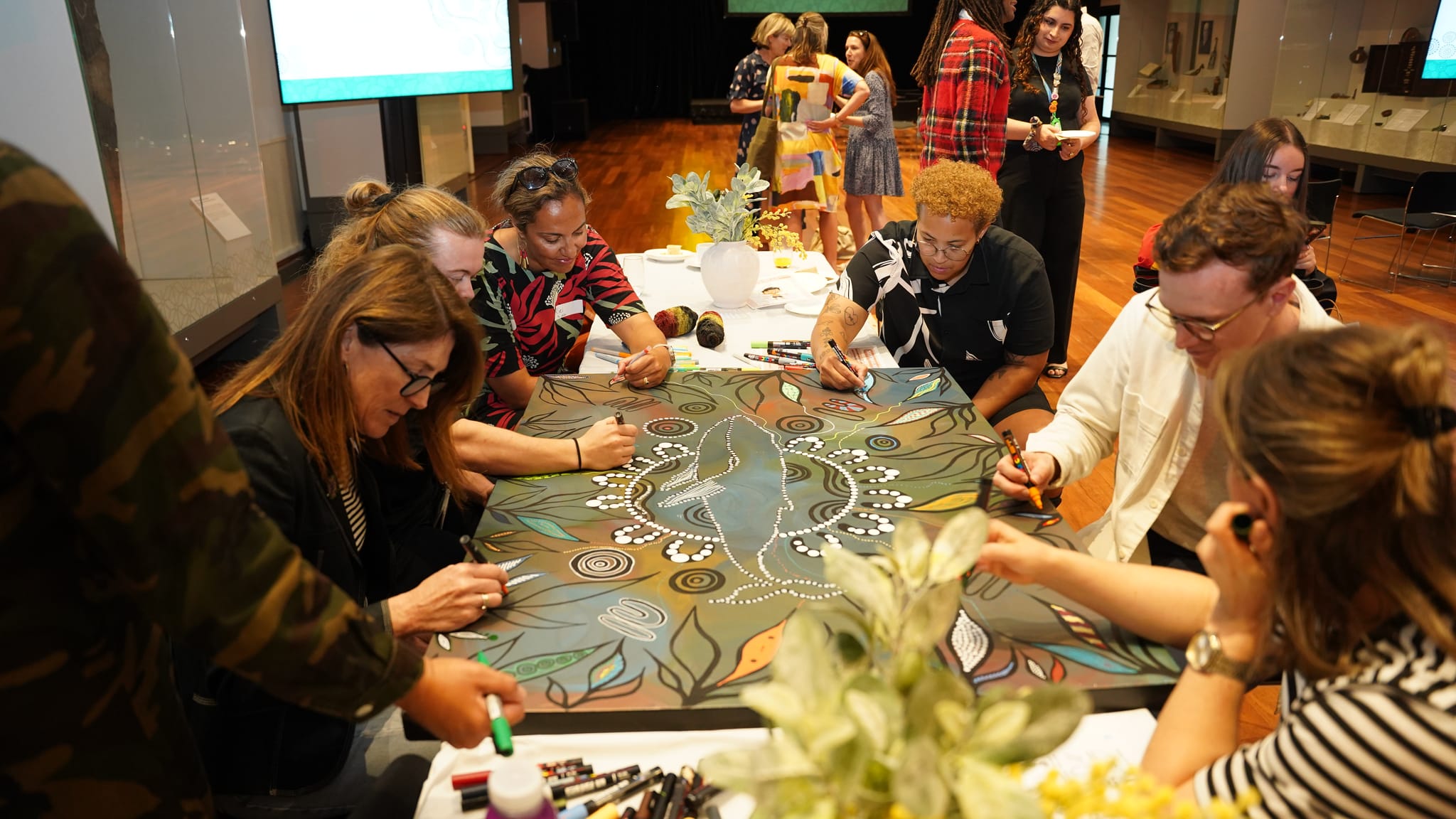
Vital recommendations to improve cultural safety in health services have been released in a newly published review led by Embrace-funded researchers.
Interested in a future paid internship opportunity with Embrace? Hear directly from our brilliant 2026 interns about their experience.