
Search
Showing results for "Professor"
Research
What effect does regular exercise have on oxidative stress in people with Down syndrome? A systematic review with meta-analysesThere remains uncertainty about the effect of exercise on oxidative stress in people with Down syndrome
Research
A qualitative investigation of recovery after femoral fracture in Rett syndromeThis study used qualitative methods to investigate the regaining of mobility in 12 months following fractures in Rett syndrome and parent caregiver experiences.
Research
Cord blood Streptococcus pneumoniae-specific cellular immune responses predict early pneumococcal carriage in high-risk infants in Papua New GuineaWe aimed to explore whether newborns in high-risk areas have pre-existing pneumococcal-specific cellular immune responses that effects early acquisition.
Research
Vagus nerve stimulation for the treatment of refractory epilepsy in the CDKL5 Deficiency DisorderOur study suggests that vagus nerve stimulation is a generally safe and effective adjunct treatment for CDKL5-associated epilepsy
Research
Functional abilities in children and adults with the CDKL5 disorderAlthough abilities were markedly impaired for the majority with the CDKL5 disorder, some females and a few males had better functional abilities
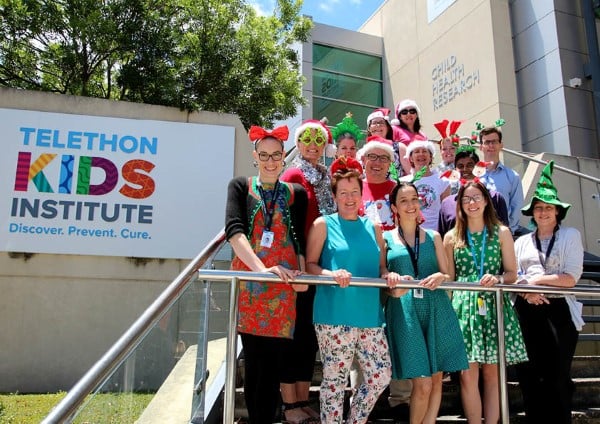
Wrap up of the people, projects and updates from 2017 in the Vaccine Trials Group research area, and Dr Peter Richmond.
Research
Caring for a child with severe intellectual disability in China: The example of Rett syndromeIntellectual disability affects more than 1.5% of the population of children in developing countries yet we know little about the daily lives and support...
Research
Early development and regression in Rett syndromeOur findings provide additional insight into the early clinical profile of Rett syndrome.
Research
A novel role for interleukin-1 receptor signaling in the developmental regulation of immune responses to endotoxinSuggests that IL-1R1 expression provides an additional level of Myd88-dependent signaling during this period of heighted susceptibility to infection.
Research
T-cell activation genes differentially expressed at birth in CD4+ T-cells from children who develop IgE food allergyTo show underlying mechanisms, we examined differences in T-cell gene expression in samples at birth and at 1 year in children with and without IgE allergy.