
Search

Parents of young children with type 1 diabetes experience significantly better quality of life and reduced fear of hypoglycaemic episodes when given remote access to their child's continuous glucose monitoring, new Children's Diabetes Centre research has found.
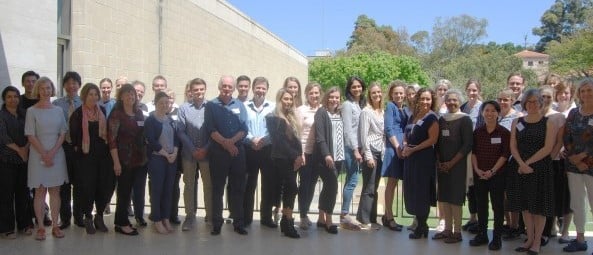
The Children’s Diabetes Centre’s (CDC) annual workshop provided a great opportunity for diabetes researchers to get together in the one venue to showcase their work recently.
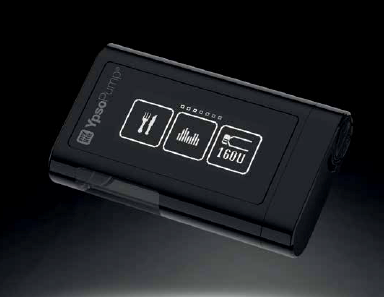
Insulin pump company Ypsomed Australia has announced an offer for families currently using an Animas Vibe.
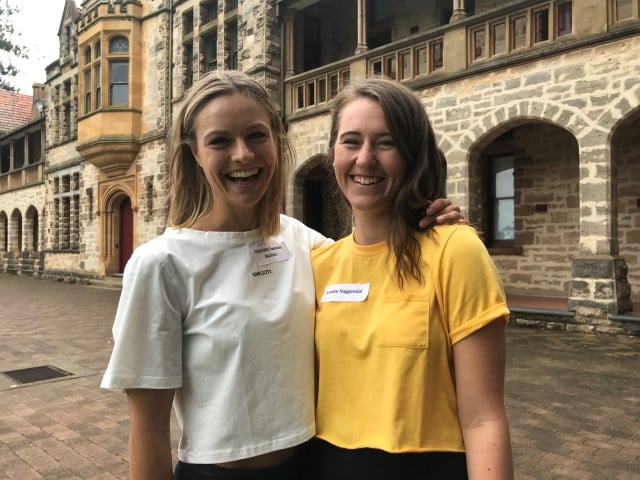
Meet Charlotta Swenson Backelin and Louise Haggendal. The medical students, from the University of Gothenburg in Sweden, have spent the past two months helping the The Kids’ Children’s Diabetes Centre conduct exercise research as part of their degrees.

Oliver Bowman is too young to understand the enormity of having type 1 diabetes but his young parents Brooke and Aidan know all too well the reality of having a child with a chronic disease.
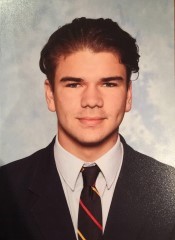
Seventeen-year-old Andrew says he has a better handle on managing his type 1 diabetes since taking part in an at-home research trial involving a sophisticated new pump system. Watch Andrew, his mum Leeanne and The Kids researcher Professor Tim Jones discuss the trial on Today Tonight.
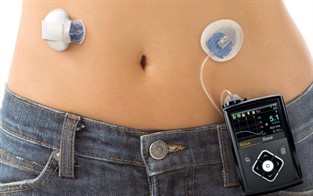
Children with type 1 diabetes using an insulin pump have better glycaemic control than to those using multiple daily injections (MDI) of insulin, a new Children's Diabetes Centre study has found.

Great news for children living with type 1 diabetes following the recent Federal Government announcement of a new $6m training and education program to make it easier for teachers to support students with diabetes in schools.

Meet Keely Bebbington. The clinical psychologist recently joined the Children’s Diabetes Centre as the McCusker Research Fellow in Type 1 Diabetes — a Fellowship that was established in response to the need for a dedicated focus on the mental health and wellbeing of young people with Type 1 Diabetes
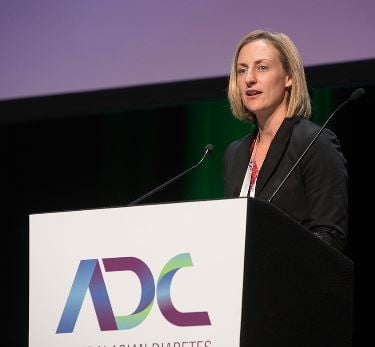
Congratulations to Children's Diabetes Centre exercise researcher Dr Karen Rothacker for receiving the prestigious ADS President’s Clinical Young Investigator Award at the 2018 Australasian Diabetes Congress held in Adelaide recently.