
Search
Showing results for "Au"
Research
Global phosphoproteomics reveals DYRK1A regulates CDK1 activity in glioblastoma cellsBoth tumour suppressive and oncogenic functions have been reported for dual-specificity tyrosine phosphorylation-regulated kinase 1A (DYRK1A). Herein, we performed a detailed investigation to delineate the role of DYRK1A in glioblastoma. Our phosphoproteomic and mechanistic studies show that DYRK1A induces degradation of cyclin B by phosphorylating CDC23, which is necessary for the function of the anaphase-promoting complex, a ubiquitin ligase that degrades mitotic proteins.
Research
The relationship between medication literacy and skin adverse reactions in non-small-cell lung cancer patients undergoing targeted EGFR-The KidstherapyHigh medication literacy is the basis of rational medication application and is essential for the management of severe adverse drug reactions. The objective of the present study was to assess the level of medication literacy and determine the association between medication literacy and skin adverse drug reactions in non-small-cell lung cancer (NSCLC) patients undergoing targeted epidermal growth factor receptor tyrosine kinase inhibitor (EGFR-The Kids) therapy.
Research
Remission of peanut allergy is associated with rewiring of allergen-driven T helper 2-related gene networksThe immunological changes underpinning acquisition of remission (also called sustained unresponsiveness) following food immunotherapy remain poorly defined. Limited access to effective therapies and biosamples from treatment responders has prevented progress. Probiotic peanut oral immunotherapy is highly effective at inducing remission, providing an opportunity to investigate immune changes.
Research
Tissue-resident memory T cells in the era of (Neo) adjuvant melanoma managementTissue-resident memory T (TRM) cells have emerged as key players in the immune control of melanoma. These specialized cells are identified by expression of tissue retention markers such as CD69, CD103 and CD49a with downregulation of egress molecules such as Sphingosine-1-Phosphate Receptor-1 (S1PR1) and the lymphoid homing receptor, CD62L.
Research
Protection against severe infant lower respiratory tract infections by immune training: Mechanistic studiesResults from recent clinical studies suggest potential efficacy of immune training (IT)-based approaches for protection against severe lower respiratory tract infections in infants, but underlying mechanisms are unclear.
Research
Prostaglandin E2 imprints a long-lasting effect on dendritic cell progenitors in the bone marrowInjection of BM-differentiated DCs from nonchimeric mice restored the reduced immune responses of PGE2-chimeric mice.
Research
Renal Masses in Childhood: An Australian PerspectiveChildhood renal masses comprise a heterogeneous group of conditions that have a wide range of presentations. This review outlines an approach to the diagnostic work-up of childhood renal masses and discusses the most common presentations and treatments. Renal tumours make up 5% of childhood cancer in Australia, with Wilms tumour being the most common under age 10 years.
Research
Changes in cell morphology guide identification of tubulin as the off-target for protein kinase inhibitorsEarly changes in cell morphology upon treatments are a strong indication that the inhibitor is directly targeting tubulin
Research
A novel Fc-enhanced humanized monoclonal antibody targeting B7-H3 suppresses the growth of ESCCEsophageal squamous cell carcinoma (ESCC) is a prevalent malignant tumor of the digestive tract with a low 5-year survival rate due to the lack of effective treatment methods. Although therapeutic monoclonal antibodies (mAbs) now play an important role in cancer therapy, effective targeted mAbs are still lacking for ESCC.
Research
Tretinoin improves the anti-cancer response to cyclophosphamide, in a model-selective mannerChemotherapy is included in treatment regimens for many solid cancers, but when administered as a single agent it is rarely curative. The addition of immune checkpoint therapy to standard chemotherapy regimens has improved response rates and increased survival in some cancers. However, most patients do not respond to treatment and immune checkpoint therapy can cause severe side effects. Therefore, there is a need for alternative immunomodulatory drugs that enhance chemotherapy.

News & Events
Unlocking the health benefits of sun exposureLike all of us, Dr Shelley Gorman grew up with the 'slip, slop, slap' message. And for good reason, Australia is one of the sunniest countries in the world.
News & Events
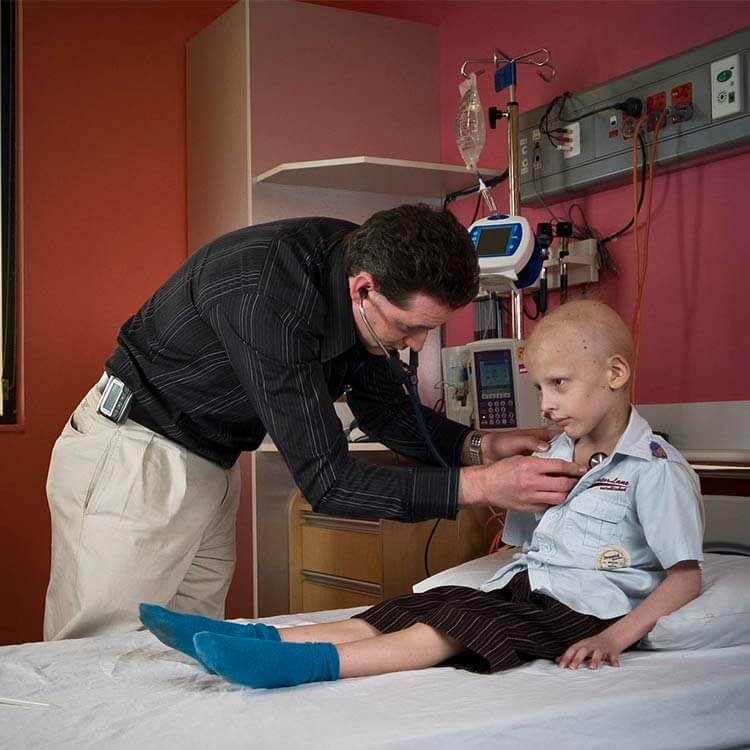
New childhood brain tumour drugs to be testedIt is the kids he treats in his role as a paediatric oncologist that motivate Dr Nick Gottardo in his work as a The Kids Research Institute Australia cancer researcher.
News & Events
New study exposes link between pesticides and childhood brain tumoursA new Telethon Institute study has revealed a potential link between pesticide treatments in the home and a higher risk of children developing brain tumours.
News & Events
Social disadvantage the focus for WA child health researchersResearchers from The Kids will play a significant role in investigating - and breaking - the generational cycle of social disadvantage.
News & Events
Scholarships awarded to outstanding child health researchersScholarships awarded to outstanding child health researchers
News & Events
Study Brings Good News For Assisted PregnanciesResearch by The Kids has shown a significant decline in the risk of birth defects amongst WA children born using Assisted Reproductive Technology.
News & Events
Telethon Adventurers fund new brain tumour research fellowshipThe Telethon Adventurers have announced a new research fellowship to investigate the genes involved in childhood brain tumours.