
Search
Showing results for "Au"
Research
WA Aboriginal Child Health Survey (WAACHS) Linked Data StudyThis study is a partnership between researchers, the Aboriginal community and government to provide evidence for policy and practice addressing high priority health and wellbeing issues for Aboriginal children and families.
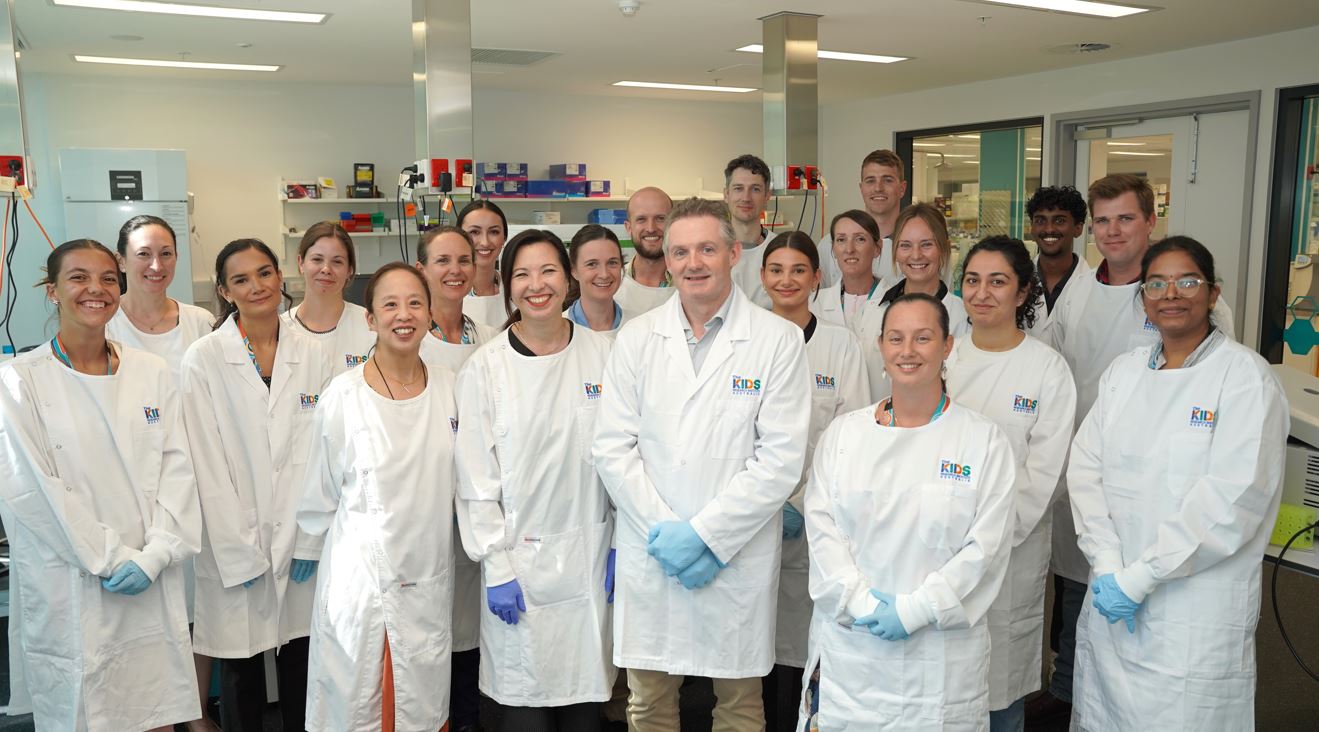
We strive for a future where no child will die from brain cancer because we have developed new therapies that will cure their disease.
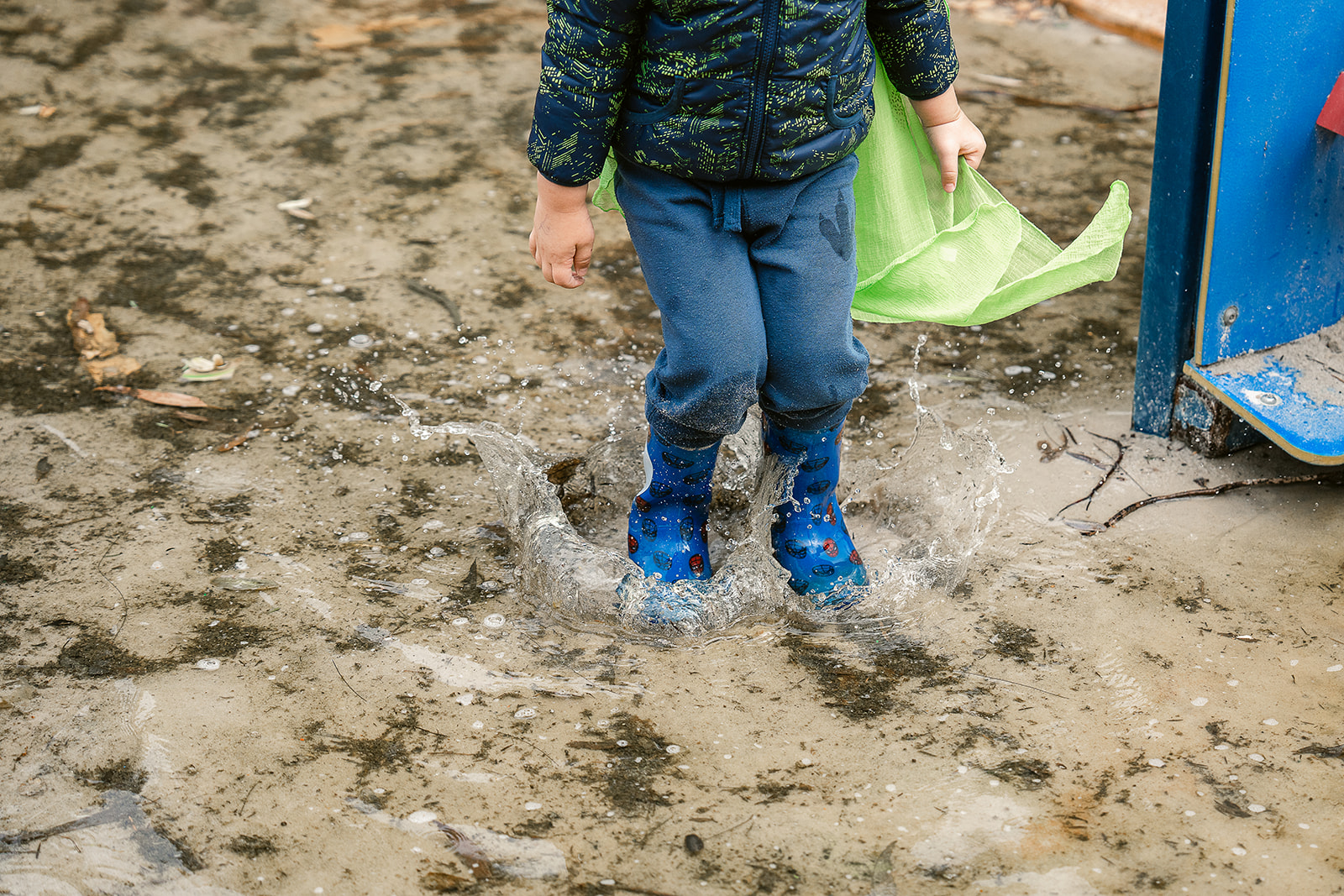
Interventions and explorations that focus on modifiable elements of the early life environment are being investigated, to assess and improve all aspects of physical and psychological wellbeing - both in childhood and in later life. These include nutrition, physical activity, time in nature, built environments, plastics and pollutants.
Research
Many Healthy LungsIn partnership with Derbarl Yerrigan Health Service and the Broome Regional Aboriginal Medical Service, we aim to improve Aboriginal lung health by determining for the first time the baseline lung function of Aboriginal Australians.
Research
Safety, tolerability, and effect of a single aural dose of Dornase alfa at the time of ventilation tube surgery for otitis media: A Phase 1b double randomized control trialOne third of children require repeat ventilation tube insertion (VTI) for otitis media. Disease recurrence is associated with persistent middle ear bacterial biofilms. With demonstration that Dornase alfa (a DNase) disrupts middle ear effusion biofilms ex vivo, we identified potential for this as an anti-biofilm therapy to prevent repeat VTI. First, safety and tolerability needed to be measured.
Research
Antibiotic consumption for sore throat and the potential effect of a vaccine against group A Streptococcus: a systematic review and modelling studyAntibiotic consumption can lead to antimicrobial resistance and microbiome imbalance. We sought to estimate global antibiotic consumption for sore throat, and the potential reduction in consumption due to effective vaccination against group A Streptococcus.
Research
Skin Health in Northern AustraliaAchieving healthy skin requires the prevention of infectious diseases that affect the skin. Prevention activities range from environmental health improvements to address inequities in living situations, through to community-wide treatment programs to reduce transmission and improve skin health.
Research
Small-molecule screen reveals synergy of cell cycle checkpoint kinase inhibitors with DNA-damaging chemotherapies in medulloblastomaMedulloblastoma (MB) consists of four core molecular subgroups with distinct clinical features and prognoses. Treatment consists of surgery, followed by radiotherapy and cytotoxic chemotherapy. Despite this intensive approach, outcome remains dismal for patients with certain subtypes of MB, namely, MYC-amplified Group 3 and TP53-mutated SHH. Using high-throughput assays, six human MB cell lines were screened against a library of 3208 unique compounds. We identified 45 effective compounds from the screen and found that cell cycle checkpoint kinase (CHK1/2) inhibition synergistically enhanced the cytotoxic activity of clinically used chemotherapeutics cyclophosphamide, cisplatin, and gemcitabine.
Research
Targeting the mucosal immune system in a mouse model to prevent pregnancy complications following maternal bacterial infectionThis work is the first step to develop safe treatments for pregnant mums to protect against preterm delivery and low birth weight caused by maternal infections.
News & Events
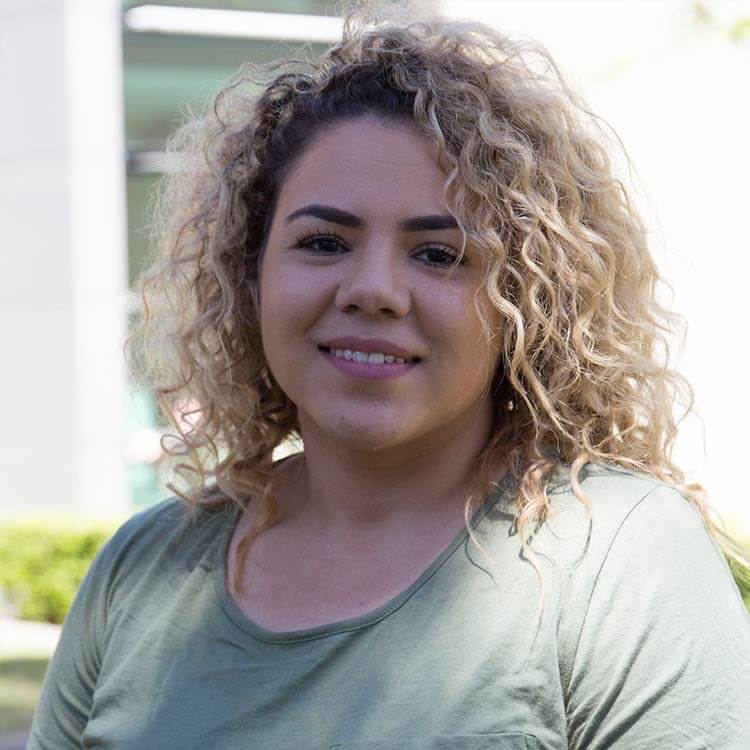
The Kids researcher named WA Youth Awards finalist25 year old Noongar woman Tiana Culbong, a The Kids Research Institute Australia researcher, has been named as a finalist in the WA Youth Awards.