Skip to content

Search

Be involved

Find out how to participate in our research and community groups.

A community-led, trauma-informed psychosocial intervention to improve health outcomes of children and young people with Type-1 diabetes

T1D can be a traumatic diagnosis for children and young people, and often involves strict adherence to painful treatments, comorbid mental health conditions, and shortened life expectancy.

DiabHQ

The DiabHQ Patient Portal app is now available to WA children and families living with Type 1 diabetes.

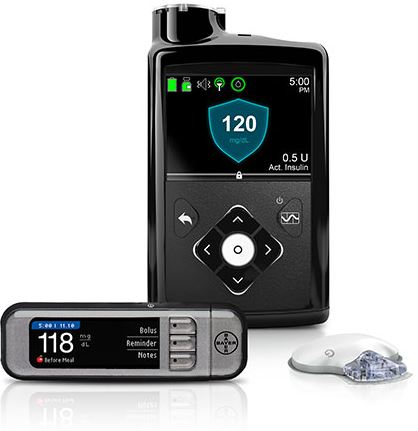
Advances in Automated Insulin Delivery with the Medtronic 780G: The Australian Experience

To assess the real-world performance of MiniMed™ 780G for Australians with type 1 diabetes (T1D) following advanced hybrid closed loop (AHCL) activation and to evaluate the effect of changing from MiniMed 670/770G to 780G.

Protocol for a nested case-control study design for omics investigations in the Environmental Determinants of Islet Autoimmunity cohort

The Environmental Determinants of Islet Autoimmunity (ENDIA) pregnancy-birth cohort investigates the developmental origins of type 1 diabetes (T1D), with recruitment between 2013 and 2019. ENDIA is the first study in the world with comprehensive data and biospecimen collection during pregnancy, at birth and through childhood from at-risk children who have a first-degree relative with T1D.

Efficacy of the MiniMed™ 670G hybrid closed loop system in managing postprandial glucose excursion with high protein high fat foods in children and adolescents under free-living conditions

High protein high fat meals are considered “difficult” foods because they can cause prolonged hyperglycemia after ingestion. The potential of hybrid closed loop therapy in managing postprandial glucose excursions with these difficult foods remains unknown. This pilot study aimed to explore the impact of manual mode in standard insulin pump therapy and auto mode with hybrid closed loop pump therapy in managing glucose excursions caused by HPHF foods and to obtain feedback from families about each mode.

Suboptimal glycemic control in adolescents and young adults with type 1 diabetes from 2011 to 2020 across Australia and New Zealand: Data from the Australasian Diabetes Data Network registry

Competing challenges in adolescence and young adulthood can distract from optimal type 1 diabetes (T1D) self-management, and increase risks of premature morbidity and mortality. There are limited data mapping the glycemic control of people with T1D in this age group, across Australasia.

The Cost of Control: Cost-effectiveness Analysis of Hybrid Closed-Loop Therapy in Youth

Hybrid closed-loop (HCL) therapy is an efficacious management strategy for young people with type 1 diabetes. However, high costs prevent equitable access. We thus sought to evaluate the cost-effectiveness of HCL therapy compared with current care among young people with type 1 diabetes in Australia.

Child health research made possible through Telethon’s support

The generous support of Western Australians through Channel 7’s Telethon is helping to fund life-changing child health research, with two The Kids Research Institute Australia researchers awarded significant grants.