
Search
Showing results for "Study of bullying"
In China, there are severe unmet medical needs of people living with rare diseases. Relatedly, there is a dearth of data to inform rare diseases policy. This is historically partially due to the lack of informatics infrastructure, including standards and terminology, data sharing mechanisms and network; and concerns over patient privacy protection.
Language development is one of the most important developmental accomplishments of early childhood and is the foundation for literacy, educational...

ORIGINS has a large number of sub-projects exploring the link between a mother's diet during pregnancy and health outcomes of the child. Projects also explore nutrition and eating habits during the early years as well as general gut health
STUDY QUESTION: Does mental health and behaviour differ between those conceived with and those conceived without ART? SUMMARY ANSWER: Our study observed less externalizing behaviour (delinquent/aggressive), and more parent-reported internalizing behaviour, as well as more (clinical) depression at age 14 years, in adolescents conceived after ART compared to their non-ART counterparts.
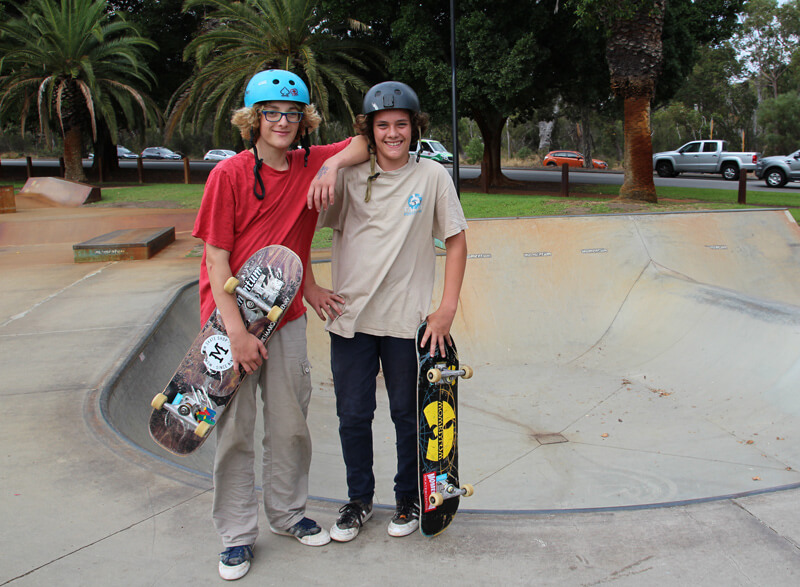
When Samuel and James Considine were born in October 2003, perilously close to what the medical world describes as the limit of viability, each weighed just 700 grams and could fit into the palm of their father’s hand.
Febrile seizures (FS) are common in childhood with incidence peaking in the second year of life when measles and varicella-containing vaccines are administered.
Childhood outcomes following preterm birth are widely published, however long-term adult outcomes are less well described. We aimed to determine the quality of life and burden of co-morbidities experienced by preterm-born young adults in Western Australia.
Based on descriptive analyses of this small study, S. aureus 3-antigen vaccine vaccination did not impact S. aureus acquisition or carriage
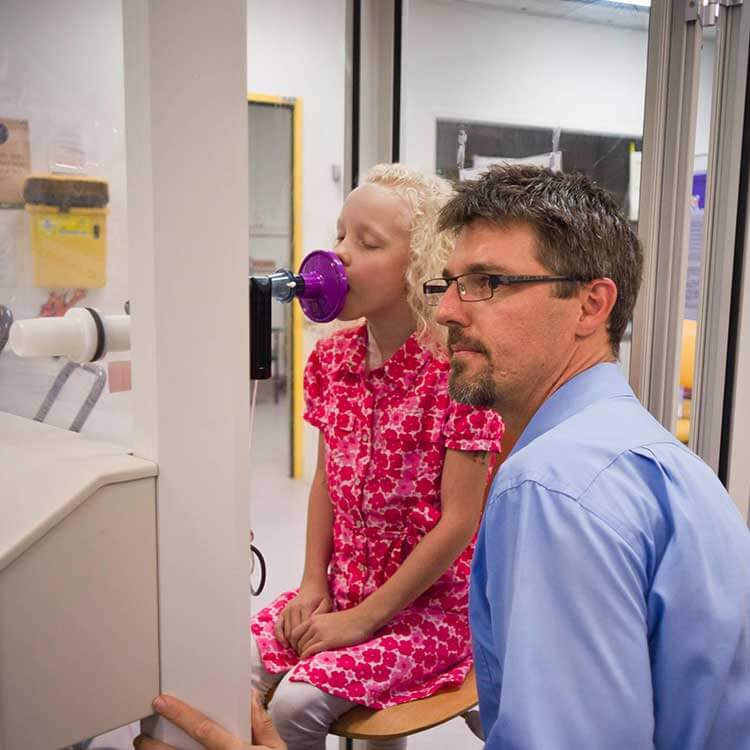
New research from Perth’s The Kids Research Institute Australia shows that babies born premature continue to have lung problems well into childhood.
Cancer researchers at Perth's The Kids for Child Health Research have discovered a genetic pattern that predicts the likelihood of relapse