
Search
Showing results for "Study of bullying"
Gram-negative bloodstream infections (GNBSIs) more commonly occur in children with comorbidities and are increasingly associated with antimicrobial resistance. There are few large studies of GNBSIs in children that relate the clinical presentation, pathogen characteristics, and outcomes.
Antimicrobial stewardship (AMS) is crucial for optimizing antimicrobial use and restraining emergence of antimicrobial resistance. The overall increase in reported antibiotic allergies in children can pose a significant barrier to AMS, but its impact on clinical AMS care in children has not been addressed.
Vaccine hesitancy and suboptimal vaccine uptake pose significant threats to public health, but modifiable psychological factors underpinning them are under-investigated. We examined the prevalence of spontaneous emotional mental imagery relating to infectious diseases and perinatal vaccines and its unique associations with vaccine hesitancy and uptake behaviour.

Aboriginal families across Western Australia are being equipped with the knowledge to take early action against potentially life-threatening skin infections thanks to the launch of a Strong Skin phone app.
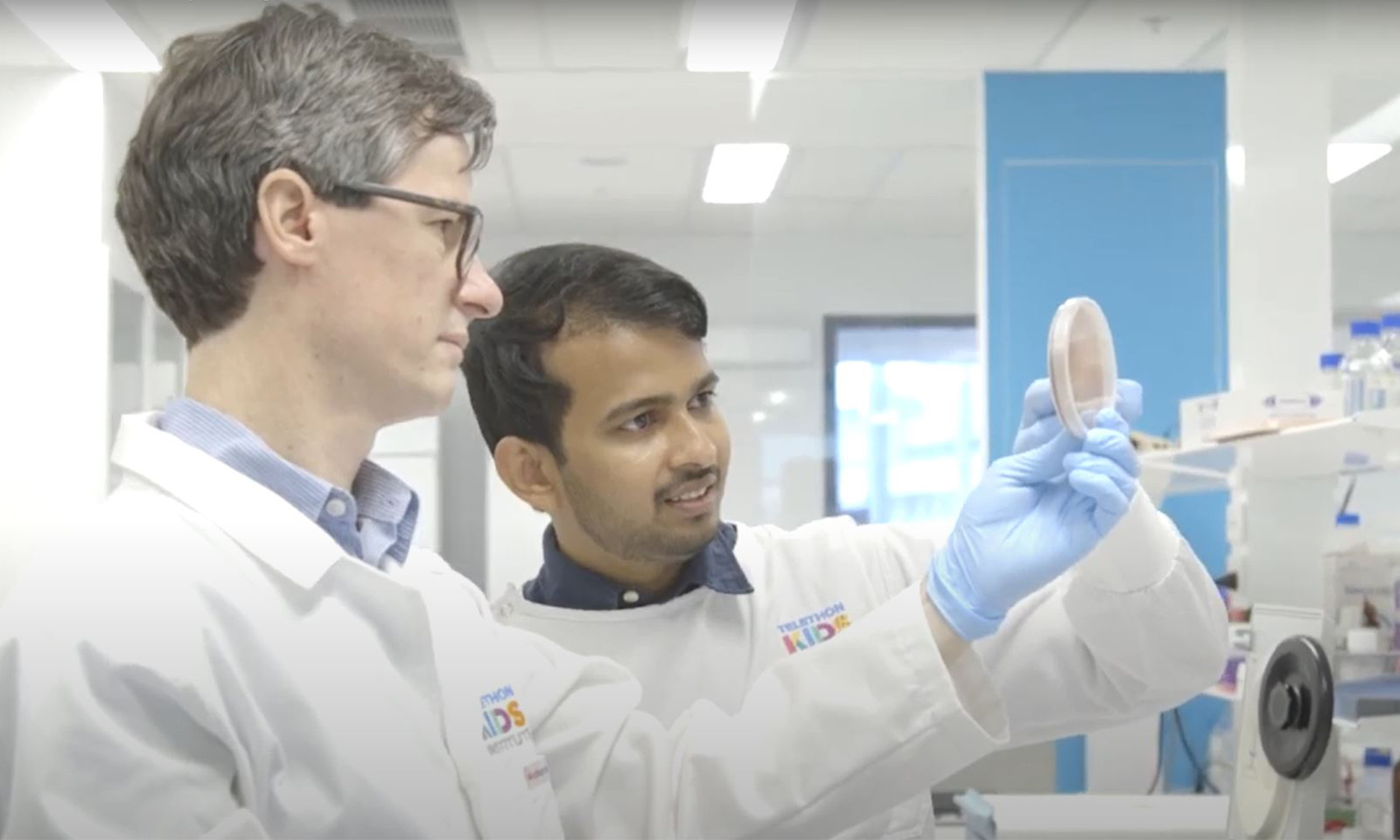
Australian researchers have uncovered a new form of antimicrobial resistance (AMR) – undetectable using traditional laboratory testing methods – in a discovery set to challenge existing efforts to monitor and tackle one of the world’s greatest health threats.
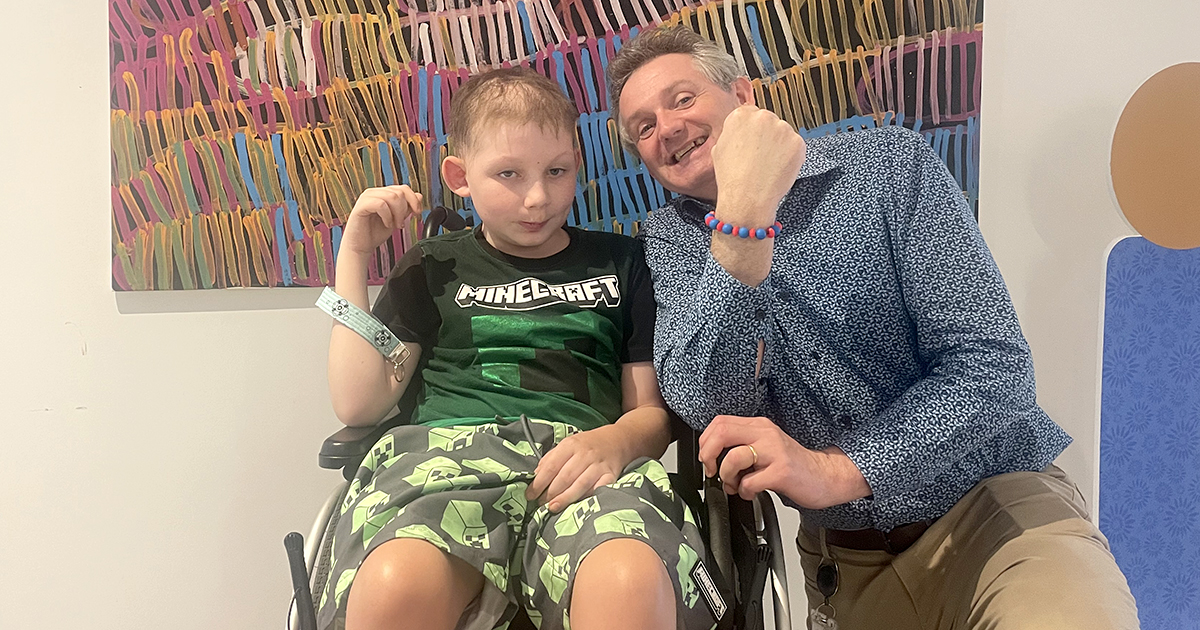
From a handful of handmade bracelets to a fundraising milestone with life-changing impact, Nickolai’s journey is one defined by resilience, generosity, and hope.
Parent-child interactions (PCI) in infants with an elevated likelihood (EL) of autism start to diverge from other infants toward the end of the first year. This divergence is often attributed to emerging features of autism impacting infant social interactions in ways that become increasingly amplified. The aim was to identify which, if any, 12-month autism features were associated with later PCI qualities.
Little is known about how or when language and visuospatial processing lateralise in the brain, and if individual differences in lateralisation are related to early language or visuospatial abilities. We explored if patterns of language and visuospatial lateralisation are related to cognitive skills in young children.
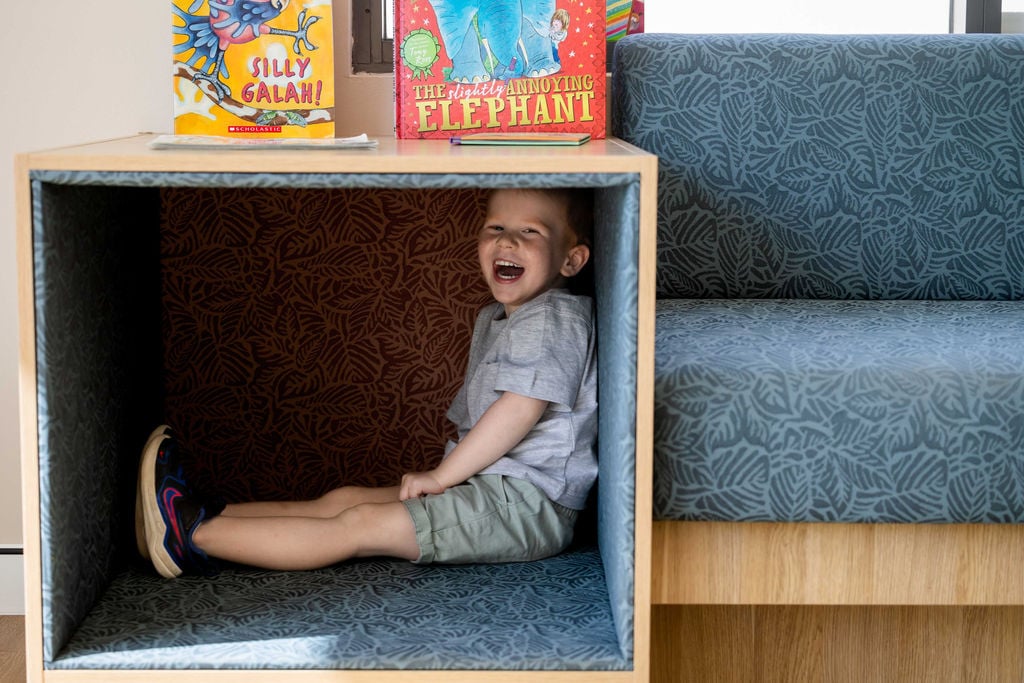
This study is exploring what role maternal inflammation during pregnancy plays in 'programming' adverse child health outcomes.
research assistant bunbary child health