
Search

A series of suicides among young people south of Perth in 2016 sparked a major overhaul of how support is offered to the people left behind after someone takes their own life.
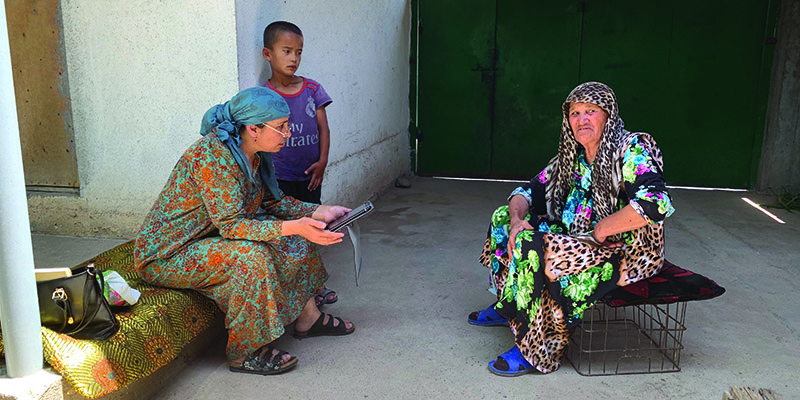
Fieldworkers learning how to collect eHCI data A fieldworker collects data for the eHCI in Tajikistan The rugged, landlocked Central Asian country of
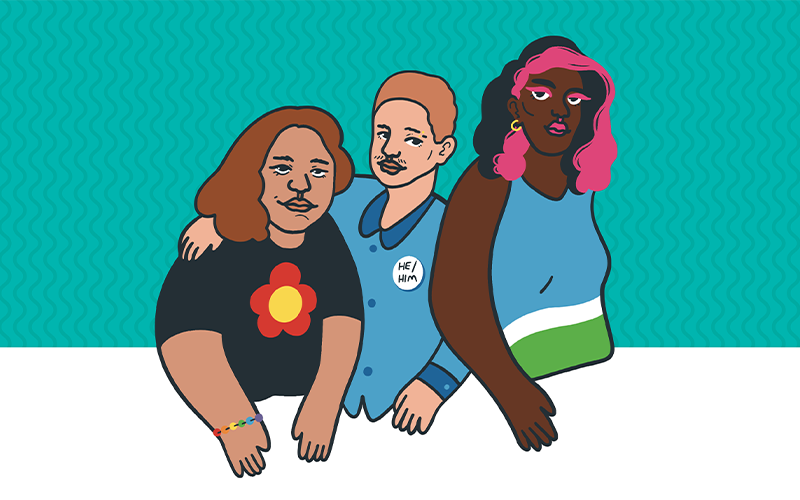
We have developed best-practice suicide prevention guidelines for health professionals and community service providers to help them create safe spaces for LGBTQA+ young people.

Researchers have worked with communities to come up with a tangible, practical legacy to improve the policy architecture and clinical approaches to drinking during pregnancy

Coconut oil has been used on premature babies to help fight off deadly infections. Researchers are now hoping to prove it is effective for other conditions as well.
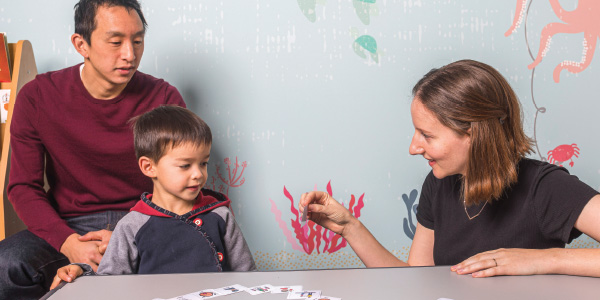
A long-held belief linking gut bacteria to autism has been debunked by an Australian research team that included researchers from CliniKids at The Kids Research Institute Australia.
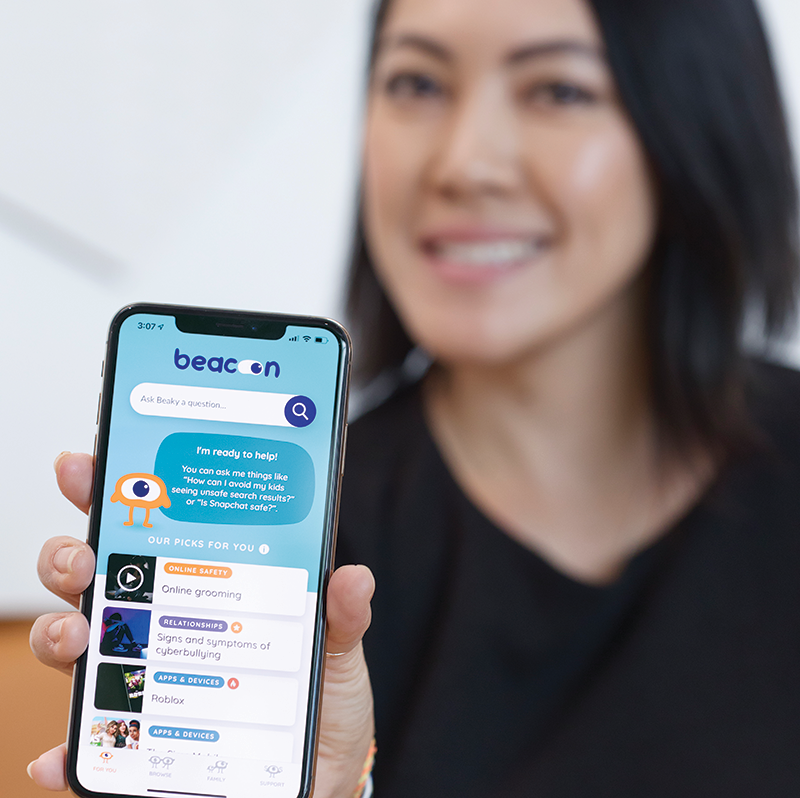
Parents, carers and educators have embraced an innovative tool in the battle to keep kids safe online - Beacon, an Australia-first, evidence-based cyber safety app.
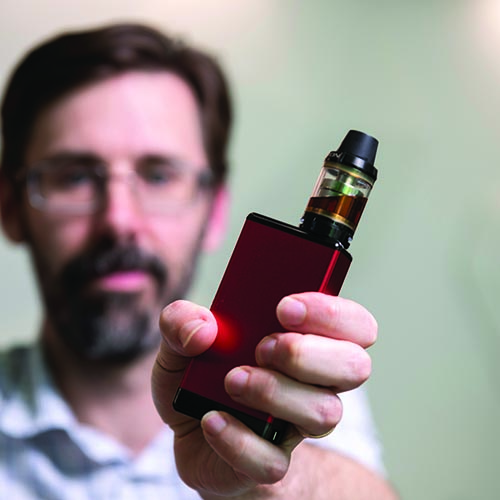
Research into the potential health impacts of vaping is starting to back up concerns that electronic cigarettes (e-cigarettes) are not as benign as many people think.
An interactive Child Development Atlas is giving policymakers, planners and services easy access to important data about the health and wellbeing of WA families.
Findings from the Banksia Hill Project revealed 89% of young people in detention who were assessed as part of the project had at least one form of severe neurodevelopmental impairment.