
Search
Showing results for "clinikids"
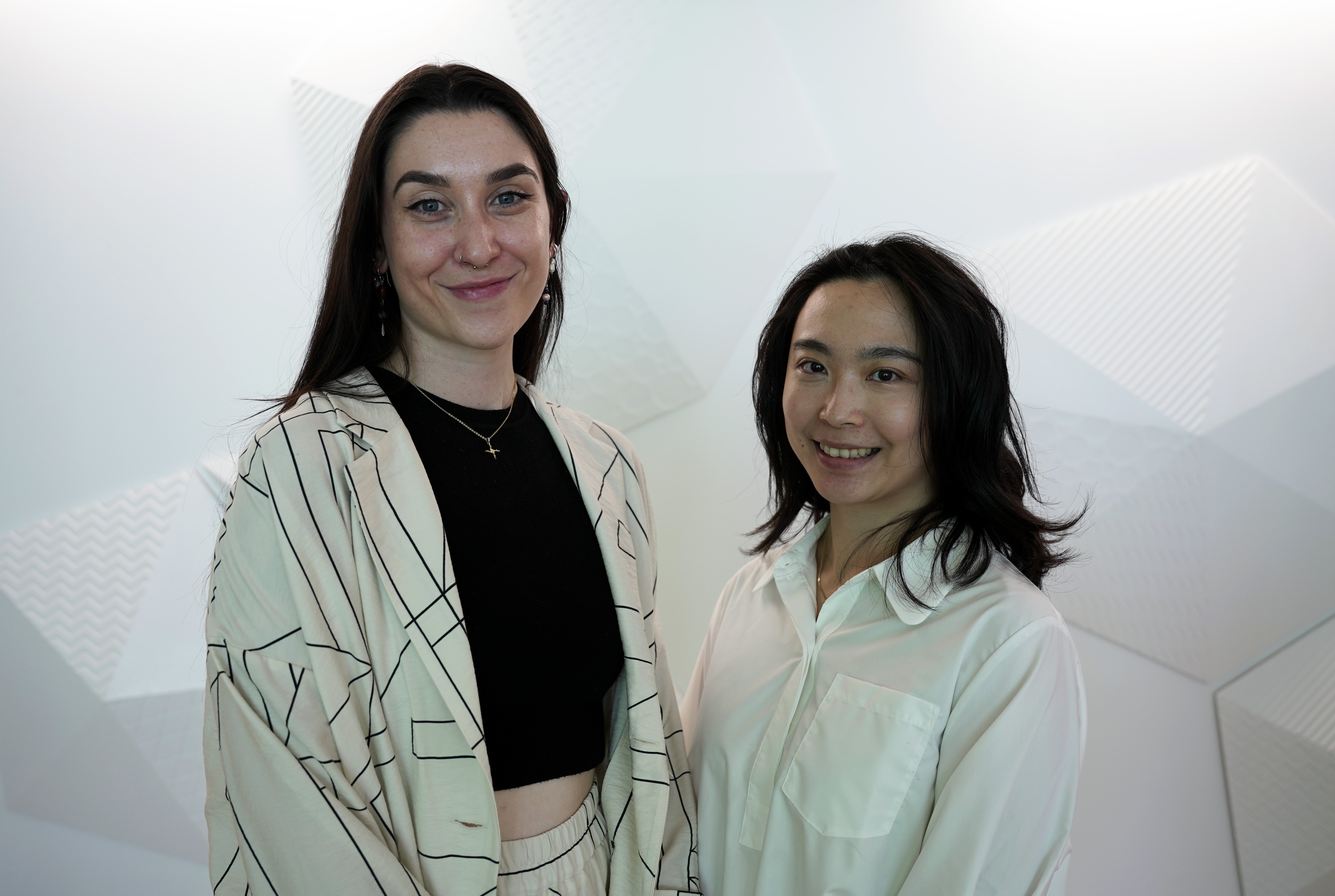
Embrace 2023 Research Award winners Zoe Waters and Pulan Bai.
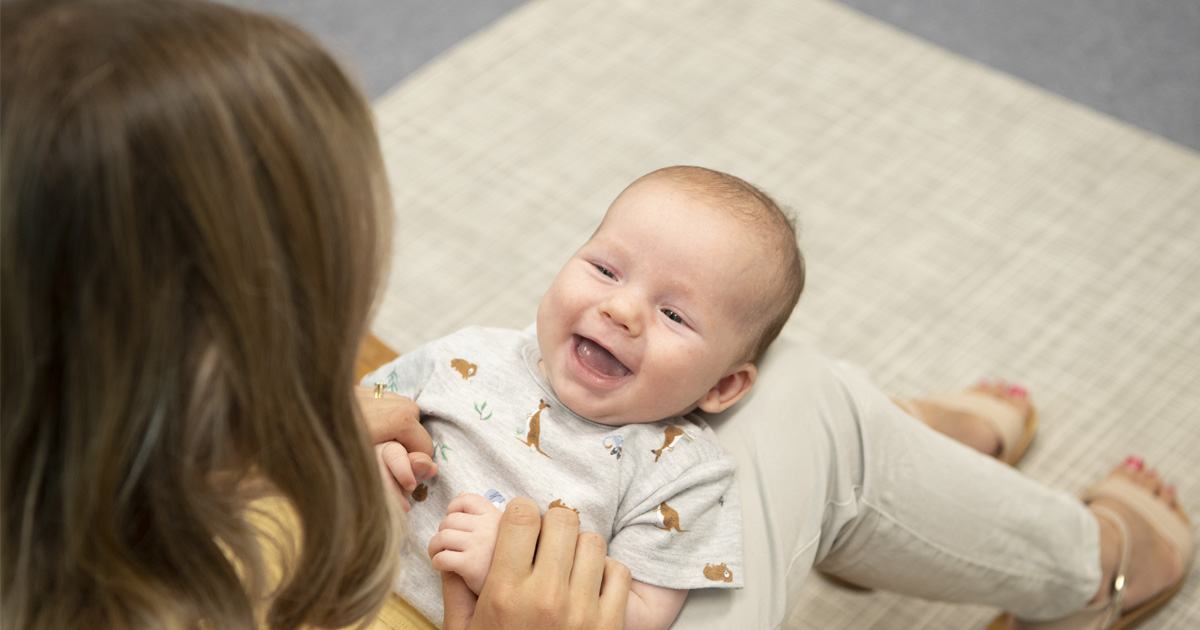
New research evaluating the potential cost savings of a therapy for babies displaying early autism signs has predicted a three dollar return to Australia’s National Disability Insurance Scheme (NDIS) for every dollar invested in therapy.
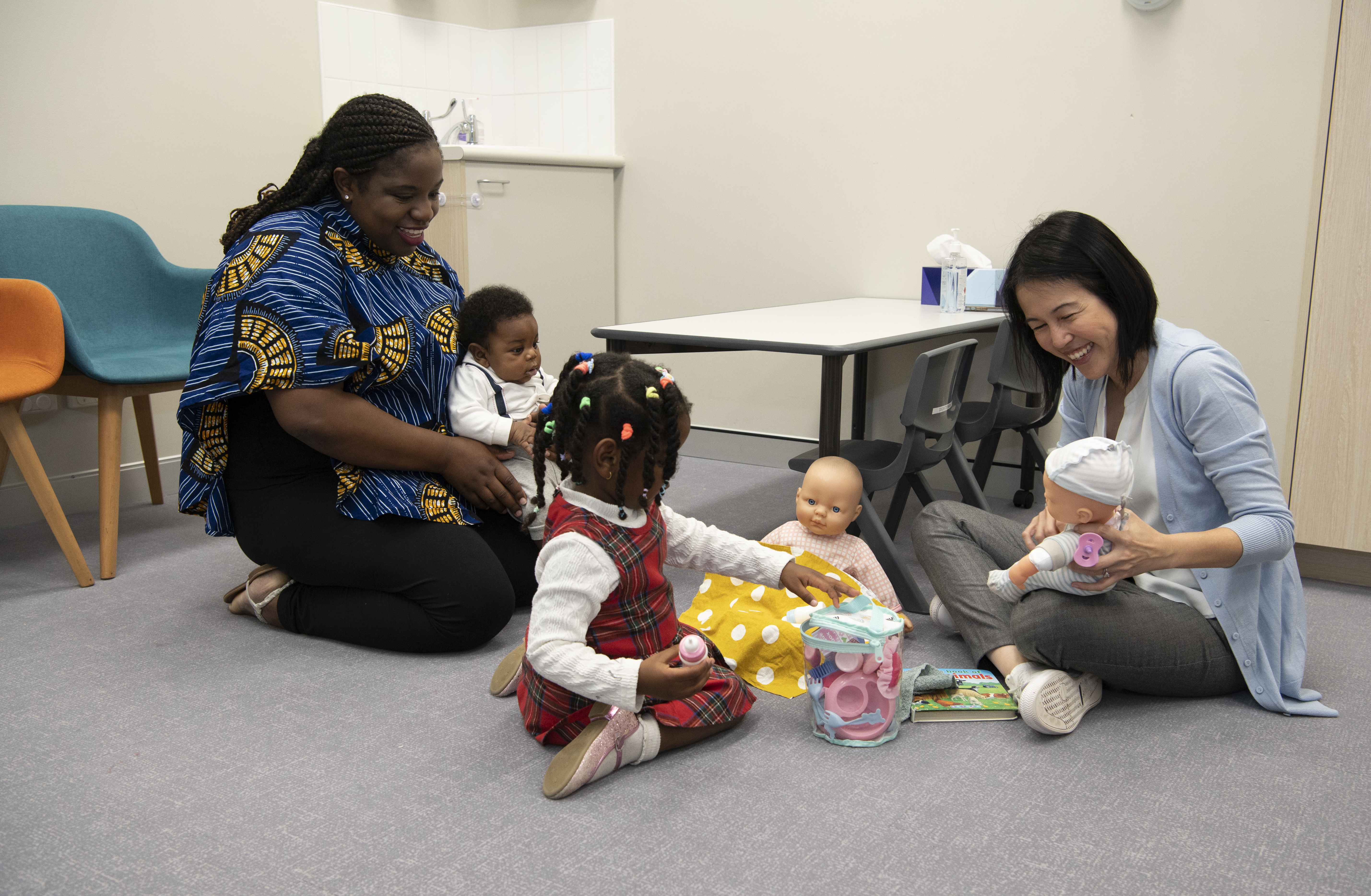
In this blog, Speech Pathologist Linda Arabi discusses the social model and how it influences the supports we provide to autistic children and their families.

In this blog, Speech Pathologist Genevieve Wilmot shares the strategies caregivers can use at story time with their child to make book sharing fun.
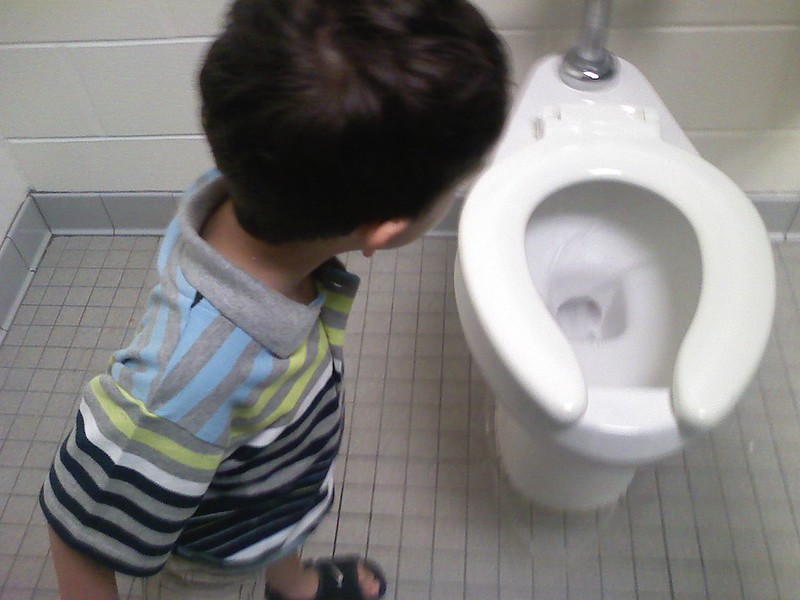
In this blog, Occupational Therapist Ally Raphael offers tips for successful toilet training.

In this blog, Speech Pathology Clinical Lead Aria May looks at telehealth and how it can support children and families with their therapy goals.
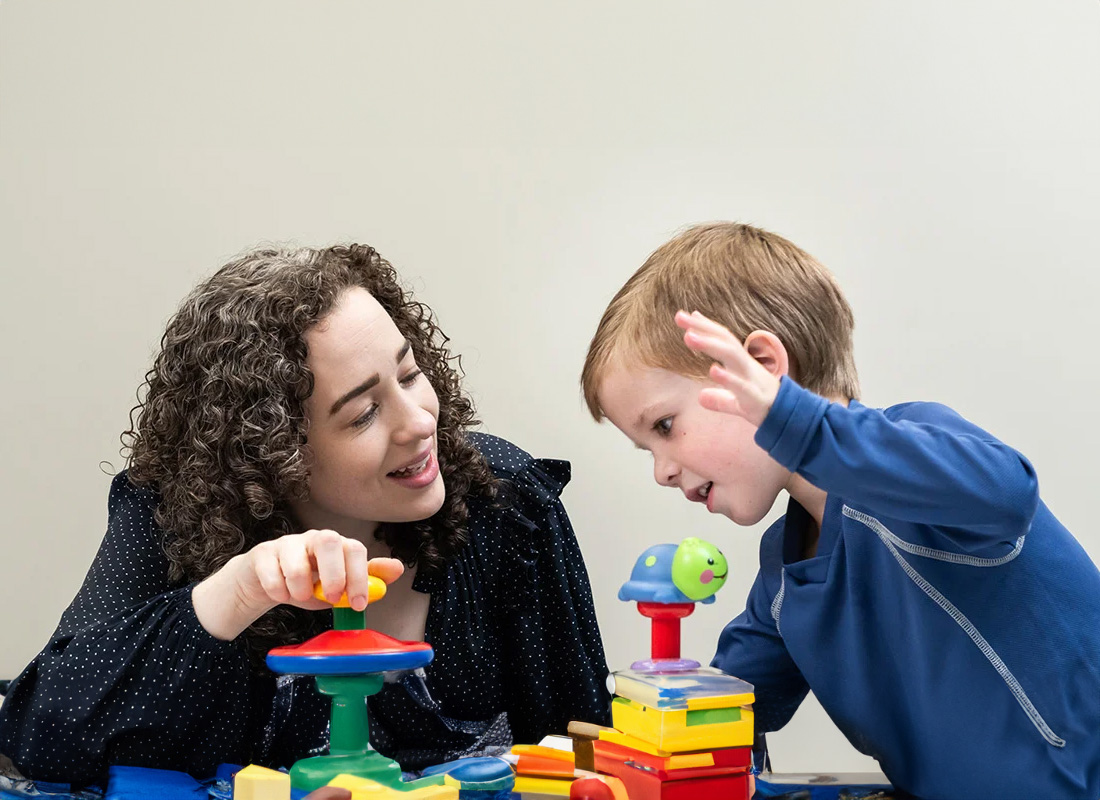
Sign up to the CliniKids Newsletter to receive the latest updates, stories, and invites to community events from CliniKids.
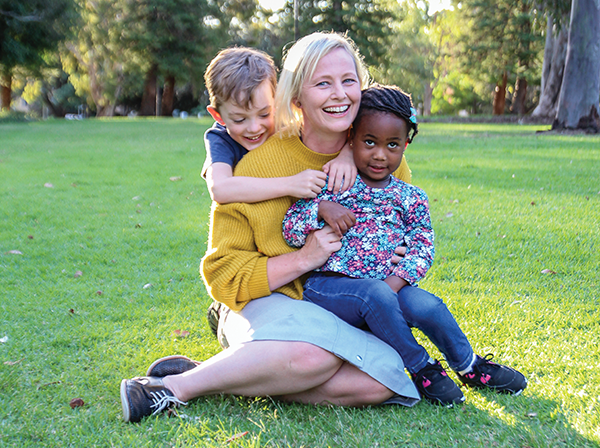
The Foundations of Lung Disease Team is focused on improving the diagnosis, treatment, and lifelong care of childhood lung disease.
Developmental Coordination Disorder (DCD) is a neurodevelopmental condition impacting motor skill acquisition and competence. While previous studies have identified adverse psychosocial outcomes in DCD, they are limited by small or population-screened, community-based samples.
Anxiety is a leading mental health concern in childhood. Whilst a range of therapeutic approaches effectively reduce anxiety in young children, several barriers impact their implementation into practice. Digital interventions could help overcome some of these challenges; however, whether these can effectively target anxiety for children with and without Neurodevelopmental Conditions is unknown.