
Search
Showing results for "Au"
Research
Topical versus systemic antibiotics for chronic suppurative otitis mediaChronic suppurative otitis media (CSOM), sometimes referred to as chronic otitis media (COM), is a chronic inflammation and often polymicrobial infection (involving more than one micro-organism) of the middle ear and mastoid cavity, characterised by ear discharge (otorrhoea) through a perforated tympanic membrane. The predominant symptoms of CSOM are ear discharge and hearing loss. Antibiotics are the most common treatment for CSOM, which act to kill or inhibit the growth of micro-organisms that may be responsible for the infection.
Research
A validation study of a modified Bouchard activity record that extends the concept of 'uptime' to Rett syndromeThe aim of this study was to investigate the validity of using a Bouchard activity record (BAR) in individuals with Rett syndrome to measure physical...
Research
The Platform Trial In COVID-19 Priming and BOOsting (PICOBOO): The immunogenicity, reactogenicity, and safety of different COVID-19 vaccinations administered as a second boosterPICOBOO is a randomised, adaptive trial evaluating the immunogenicity, reactogenicity, and safety of COVID-19 booster strategies. We report data for second boosters among individuals 50-<70 years old primed with AZD1222 (50-<70y-AZD1222) until Day 84.
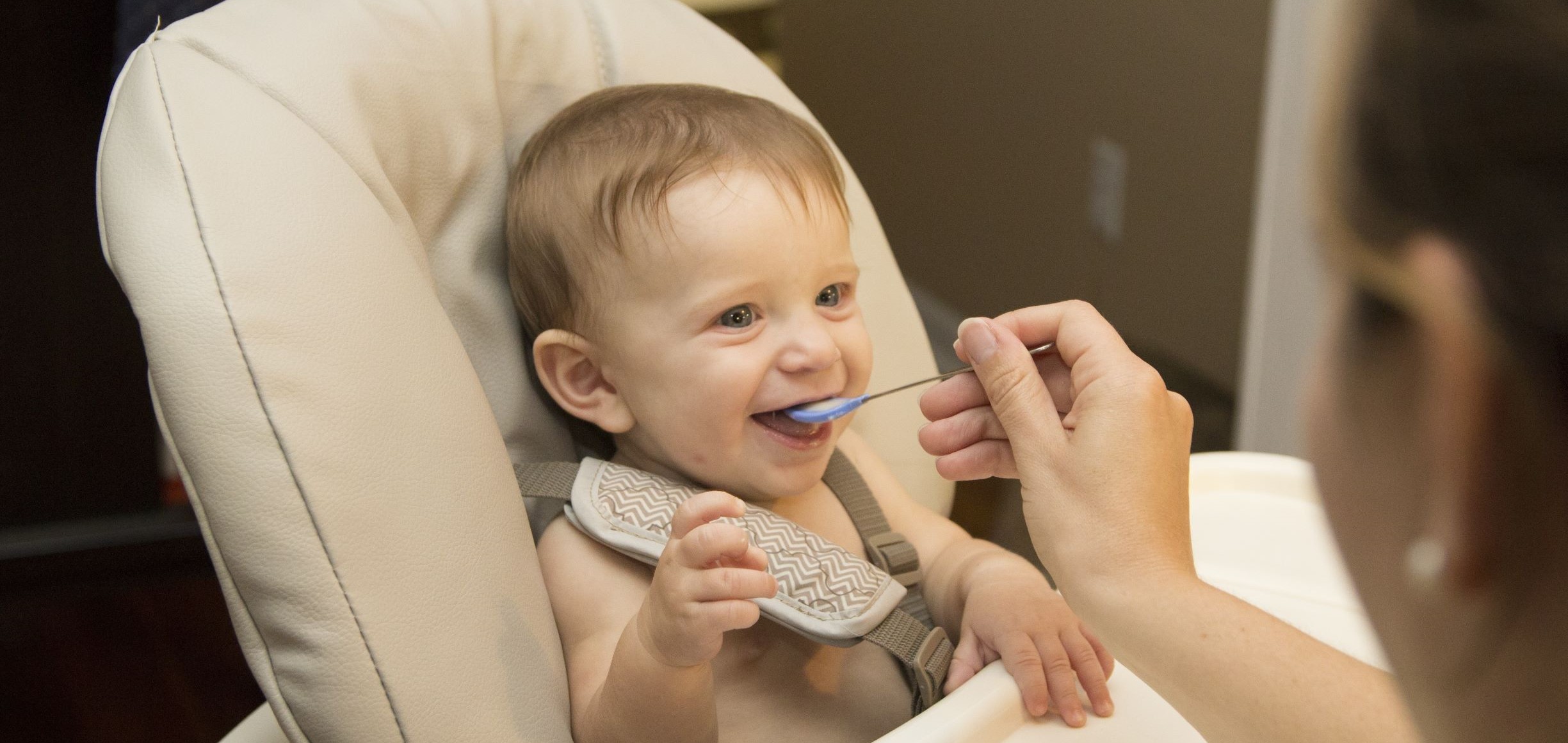
A dramatic rise in food allergies over the past 20 years had Australian medical professionals scratching their heads, with three in every ten babies born each year developing food-related allergy or eczema.
Research
The effectiveness of a day hospital mentalization-based therapy programme for adolescents with borderline personality traits: Findings from Touchstone—Child and Adolescent Mental Health ServiceIndividuals with borderline personality disorder (BPD) are at a substantial risk of harm to themselves and others, experience high levels of functional impairment and typically are high users of tertiary healthcare to address their mental health concerns. As indicators for BPD typically emerge in adolescence, a day therapy service in Bentley, Western Australia, Touchstone Child and Adolescent Mental Health Service (CAMHS), was developed as an intensive intervention for adolescents with indicators for BPD and its associated symptomology.
Research
Medical Comorbidities in MECP2 Duplication Syndrome: Results from the International MECP2 Duplication DatabaseSince the discovery of MECP2 duplication syndrome (MDS) in 1999, efforts to characterise this disorder have been limited by a lack of large datasets, with small case series often favouring the reporting of certain conditions over others. This study is the largest to date, featuring 134 males and 20 females, ascertained from the international MECP2 Duplication Database (MDBase).
Research
Performance and Practicality of a Rapid Molecular Test for the Diagnosis of Strep A Pharyngitis in a Remote Australian SettingOver 5 days, 120 schoolchildren from two schools in the remote Kimberley region of Australia were screened for Strep A pharyngitis. Molecular point-of-care testing identified Strep A pharyngitis in 13/18 (72.2%) symptomatic children. The portability and feasibility of molecular point-of-care testing was highly practical for remote settings.
Research
Longitudinal effects of caregiving on parental well-being: the example of Rett syndrome, a severe neurological disorderOur findings suggest that some opportunities do exist for clinicians to help optimise parental well-being
Research
Cannabis for refractory epilepsy in children: A review focusing on CDKL5 Deficiency DisorderThis review provides the first comprehensive overview of the potential role for cannabis based preparations in the treatment of CDKL5 Deficiency Disorder
Research
A Population-Based Matched-Sibling Analysis Estimating the Associations Between First Interpregnancy Interval and Birth OutcomesInterpregnancy intervals of <6 months were associated with increased odds of preterm birth in second-born infants