
Search
Ten years of dedicated research investigating the Meningococcal ACWY vaccine paid off 20 times over in 2019, after its inclusion on the National Immunisation Program saw a significant decrease in children being diagnosed with the deadly disease.
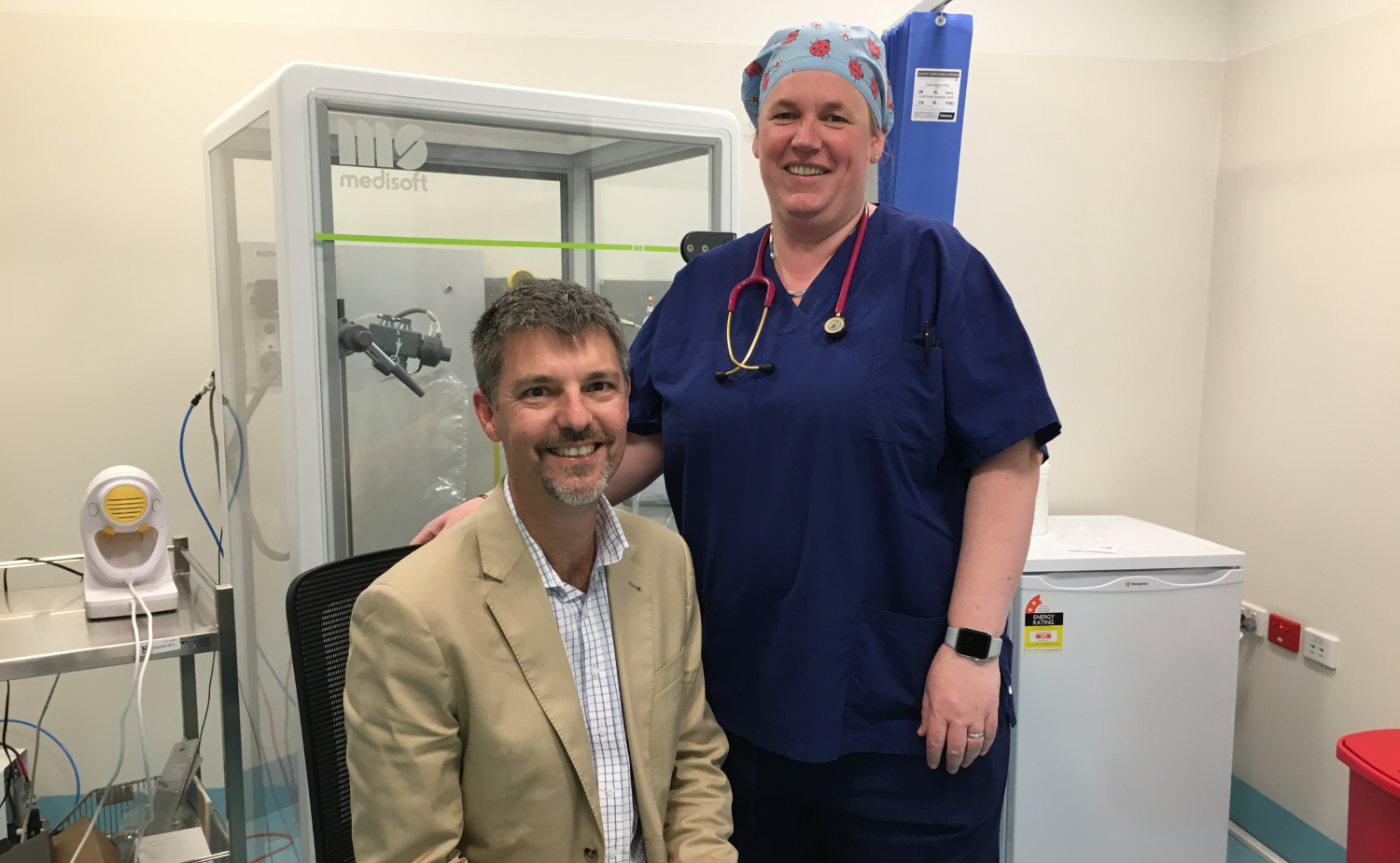
World-first findings from the collaborative REACT study – a joint project between The Kids, PCH, UWA and Curtin University – have led to the asthma medication Ventolin being routinely given to paediatric patients before tonsillectomy surgery to prevent respiratory complications.
A wet cough in a child for more than four weeks could indicate infection in the lungs. The wet cough is caused by mucus in the airway. The mucus becomes infected with bacteria and causes airway inflammation that can progress to permanent lung damage known as bronchiectasis.
In a sunny country such as Australia, it’s important to identify how to achieve the right amount of sun exposure for good health. We need to be able to harness the benefits of vitamin D and sunlight while remaining protected from the proven dangers of too much UV radiation.

Discover more about Telethon Kids Institute research.
First Nations women in Australia continue to experience disproportionately adverse maternal and infant outcomes. The ongoing legacy of colonisation and systemic racism shapes these outcomes. In the Australian Capital Territory (ACT), maternity services remain dominated by Western biomedical approaches that fail to deliver culturally safe and anti-racist care despite national standards that mandate such practices.
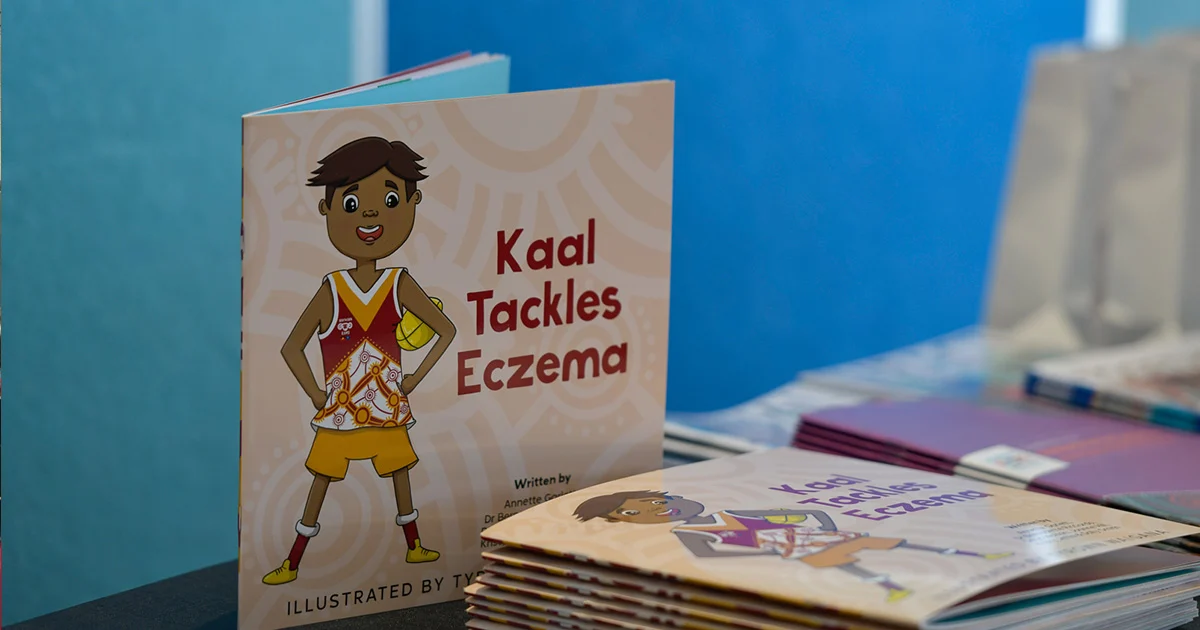
In close partnership with Aboriginal Elders and community members in Western Australia's south-west, we created ‘Kaal Tackles Eczema’, a children’s book to help Aboriginal families manage eczema. Our research showed a high prevalence and need for culturally relevant resources. The book uses Noongar language and art to educate and reduce infections, and is available online and in schools.
Malaria imposes a significant global health burden and remains a major cause of child mortality in sub-Saharan Africa. In many countries, malaria transmission varies seasonally. The use of seasonally-deployed interventions is expanding, and the effectiveness of these control measures hinges on quantitative and geographically-specific characterisations of malaria seasonality.
CDKL5 deficiency disorder is a rare and severe developmental and epileptic encephalopathy that has profound effects on communication. It is essential that communication be measured accurately for upcoming gene therapy trials. The Communication Inventory Disability-Observer Reported was developed from a framework of communication derived from parent/caregiver interview data in consultation with disability and communication experts, and after reviewing concepts in existing measures.
General movements (GMs) are part of the spontaneous movement repertoire and are present from early fetal life onwards up to age five months. GMs are connected to infants' neurological development and can be qualitatively assessed via the General Movement Assessment. In particular, between the age of three to five months, typically developing infants produce fidgety movements and their absence provides strong evidence for the presence of cerebral palsy.