
Naturalistic developmental behavioural interventions are promising approaches for young children with, or suspected of having, autism spectrum disord…
There are no well-established biomedical treatments for the core symptoms of autism spectrum disorder (ASD). A small number of studies suggest that r…

Here’s a quick look at some of the published research to come out of CliniKids recently (June 2021 newsletter)
Social communication difficulties in autism spectrum disorder have been associated with poor Theory of Mind (ToM), an ability to attribute mental sta…
Delays within the motor domain are often overlooked as an early surveillance marker for autism. The present study evaluated motor difficulties and it…
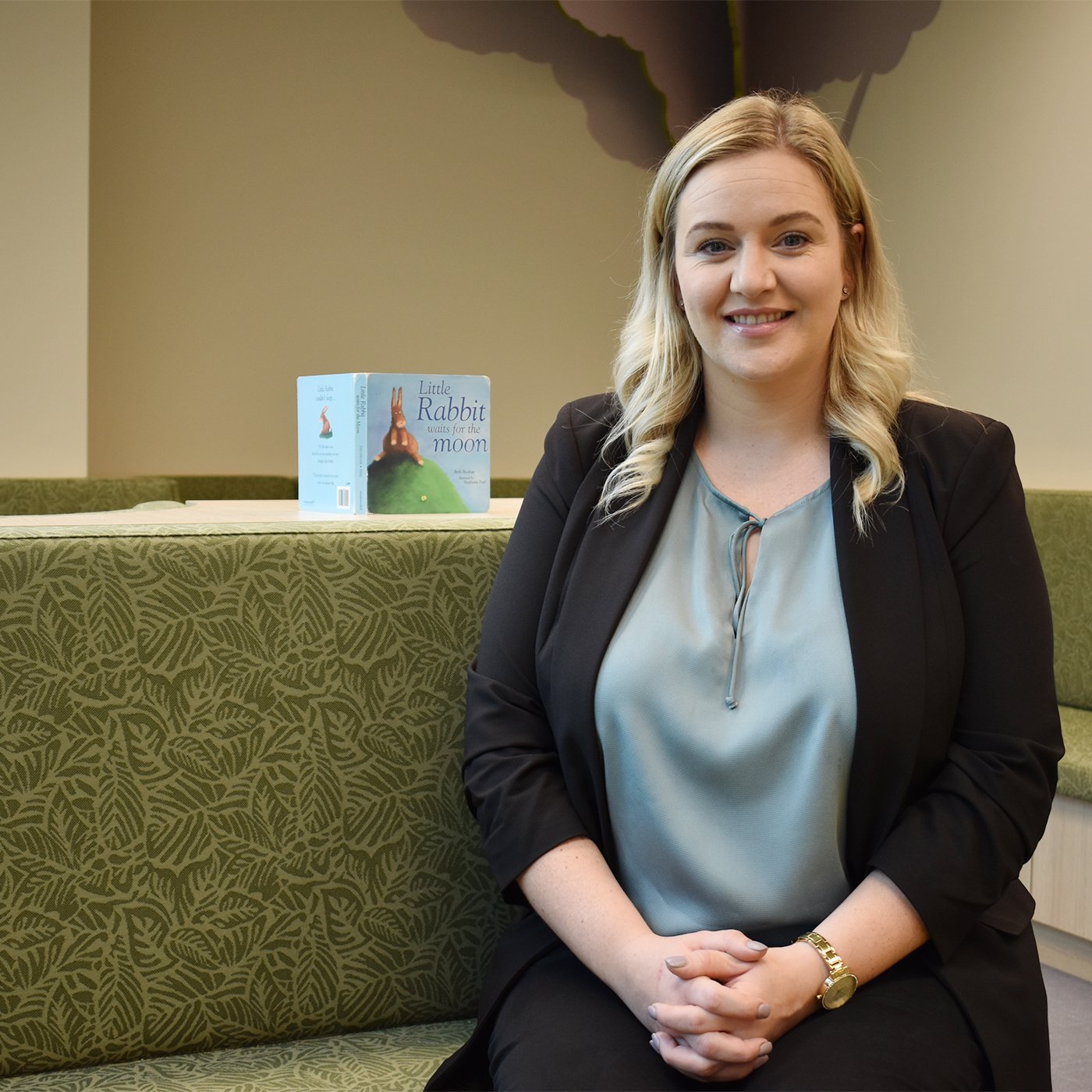
Meet Leah – the latest addition to the CliniKids team. We asked Leah, our new Operations Manager, a couple of questions to get to know her.
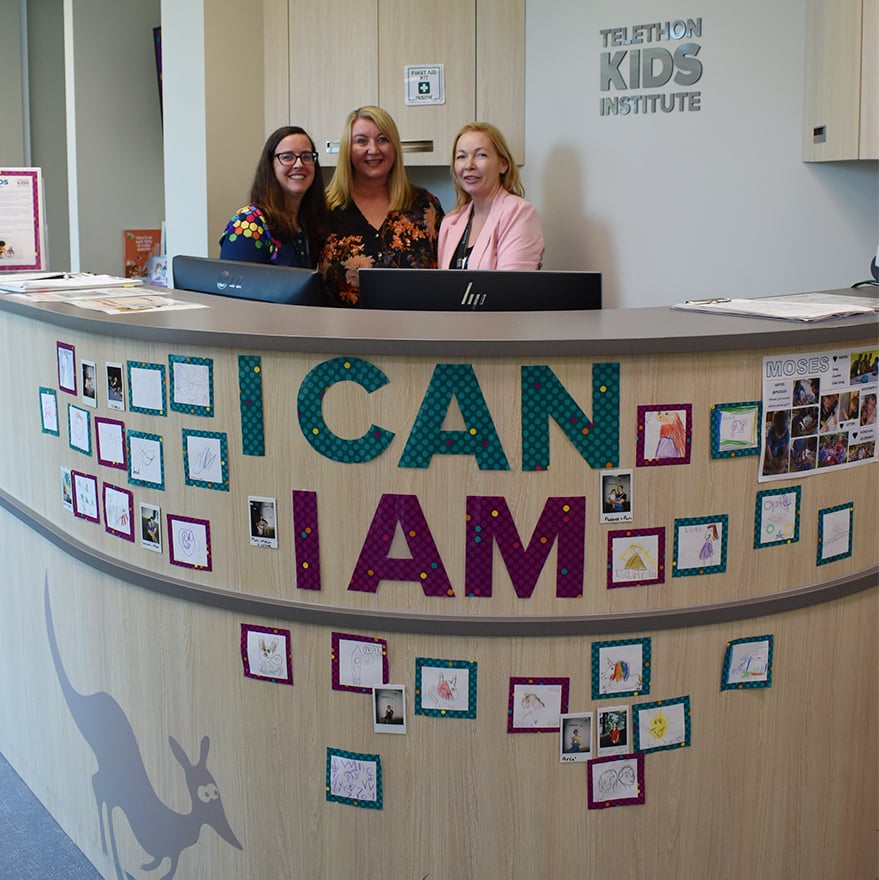
For Autism Month, CliniKids invited families to contribute to an "I can, I am!" strengths wall in its reception area – an idea that was wholeheartedl…
Many children with intellectual disability live with medical comorbidities. This study examined the impacts of comorbidities on quality of life (QOL)…
Several studies have explored relationships between parent broader autism phenotype and offspring communication, and have reported that autistic-like…
Having a child on the autism spectrum (AS) is known to impact caregiver quality of life (QoL), time use, and stress. A co-occurring diagnosis of inte…