
Search
Showing results for "Study of bullying"
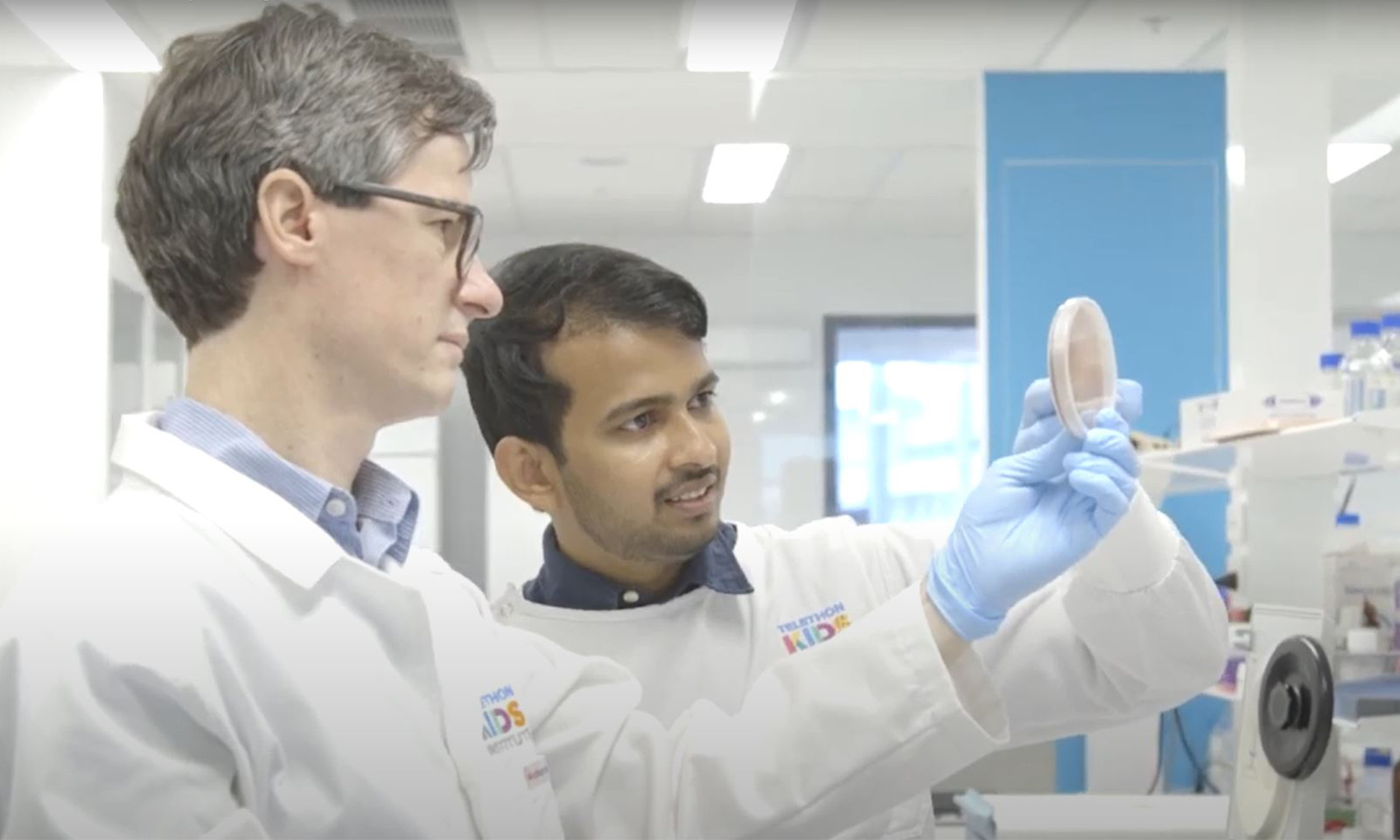
Australian researchers have uncovered a new form of antimicrobial resistance (AMR) – undetectable using traditional laboratory testing methods – in a discovery set to challenge existing efforts to monitor and tackle one of the world’s greatest health threats.
Parent-child interactions (PCI) in infants with an elevated likelihood (EL) of autism start to diverge from other infants toward the end of the first year. This divergence is often attributed to emerging features of autism impacting infant social interactions in ways that become increasingly amplified. The aim was to identify which, if any, 12-month autism features were associated with later PCI qualities.
Little is known about how or when language and visuospatial processing lateralise in the brain, and if individual differences in lateralisation are related to early language or visuospatial abilities. We explored if patterns of language and visuospatial lateralisation are related to cognitive skills in young children.
Respiratory disease is a leading cause of hospitalisations in children with cerebral palsy (CP). Over 40% of individuals with CP are born preterm; however, the relationship between prematurity, CP and respiratory disease is unknown.
As herpes simplex virus in infancy is not a mandatory notifiable condition in Australia, completeness of ascertainment by the Australian Paediatric Surveillance Unit (APSU) has been difficult to evaluate to date. We evaluated case capture in Queensland and Western Australia using statewide laboratory and clinical data and complementary surveillance data collected via the APSU.
Invasive fungal disease (IFD) remains a common and serious complication in children treated for leukaemia. Antifungal prescription in children with leukaemia presents unique challenges, particularly due to variation in IFD risk between and within leukaemia treatment protocols, drug toxicities and interactions between antifungals and chemotherapeutic agents.
Sepsis is a significant cause of mortality for children in Australia, particularly affecting young children, those with pre-existing health conditions and Aboriginal and Torres Strait Islander populations. The transition from hospital to home can be challenging for survivors, often leaving long-term impacts unaddressed.
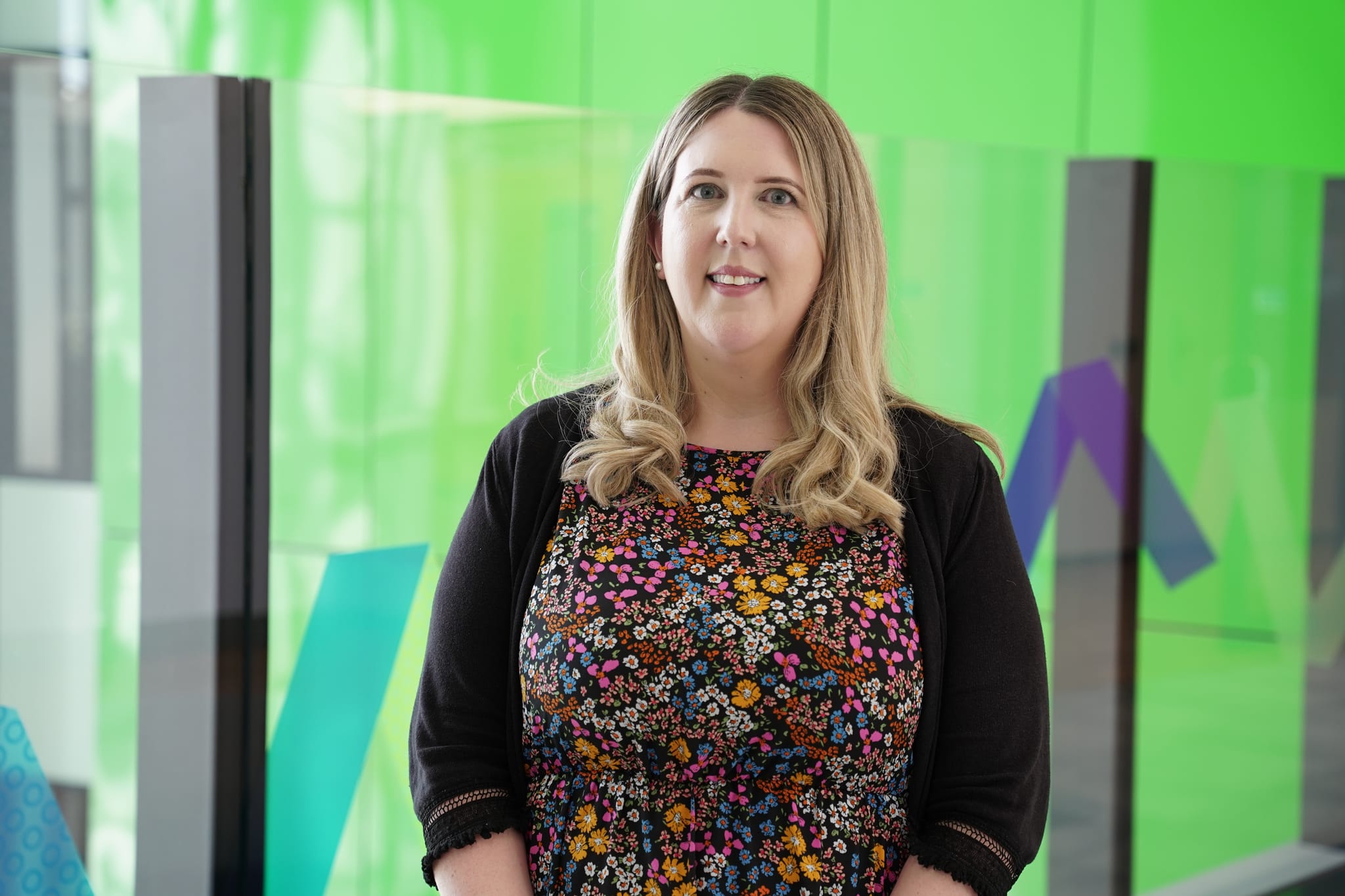
Whooping Cough Day in 2025 has a special significance to Catherine Hughes AM and her family - it marks a decade of dedication to vaccine advocacy after the loss of their four-week-old baby son Riley in 2015.
Vaccine hesitancy and suboptimal vaccine uptake pose significant threats to public health, but modifiable psychological factors underpinning them are under-investigated. We examined the prevalence of spontaneous emotional mental imagery relating to infectious diseases and perinatal vaccines and its unique associations with vaccine hesitancy and uptake behaviour.

Western Australia’s biggest and only medical research institute dedicated to improving kids’ health and wellbeing has rebranded to The Kids Research Institute Australia.