Search
Although entirely preventable, rheumatic heart disease, a disease of poverty and social disadvantage resulting in high morbidity and mortality, remains an ever-present burden in low-income and middle-income countries and rural, remote, marginalised and disenfranchised populations within high-income countries.
Secondary prevention of acute rheumatic fever (ARF) and rheumatic heart disease (RHD) involves continuous antimicrobial prophylaxis among affected individuals and is recognised as a cornerstone of public health programmes that address these conditions. However, several important scientific issues around the secondary prevention paradigm remain unresolved.
Multiple SARS-CoV-2 variants have emerged over the COVID-19 pandemic. The implications for COVID-19 severity in children worldwide are unclear. The objective was to determine whether the dominant circulating SARS-CoV-2 variants of concern (VOCs) were associated with differences in COVID-19 severity among hospitalized children.
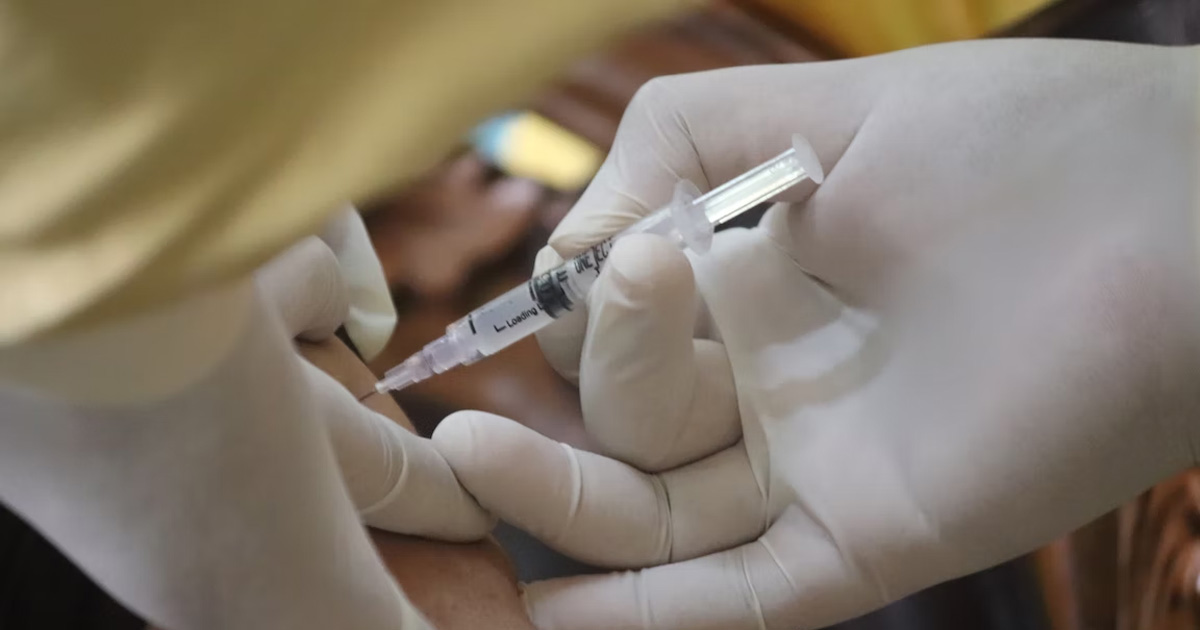
In Western Australia, community pharmacists are authorized to administer a range of vaccines without a prescription. Since mid-July 2021, pharmacists can also administer Coronavirus Disease 2019 (COVID-19) vaccines. Little is known about how pharmacists think and feel about giving and receiving COVID-19 vaccines and how they discuss it with patients.
Recent research has documented a wide range of health, economic, and social benefits conferred by vaccination, beyond the direct reductions in morbidity, mortality, and future healthcare costs traditionally captured in economic evaluations.
Streptococcus pyogenes (also known as group A Streptococcus , Strep A) is an obligate human pathogen with significant global morbidity and mortality. Transmission is believed to occur primarily between individuals via respiratory droplets, but knowledge about other potential sources of transmission via aerosols or the environment is limited. Such knowledge is required to design optimal interventions to control transmission, particularly in endemic settings.
This research sought to provide an outline of identified household-level environmental health initiatives to reduce or interrupt Strep A transmission along each of these pathways.
The skin is the largest and most visible organ of the human body. As such, skin infections can have a significant impact on overall health, social wellbeing and self-image.
Respiratory syncytial virus (RSV) causes serious illness in children. The Ad26.RSV.preF vaccine candidate was immunogenic with acceptable safety in a phase 1/2a study of RSV-seropositive children. Here, we assessed its safety and immunogenicity in RSV-seronegative children.
Tonsillectomy and adenoidectomy are two of the most commonly performed ENT procedures in children, with over 500,000 cases performed annually in the United States. Whilst generally considered a safe and well-tolerated operation, it is not without its risks and complications including pain, nausea, anorexia and most importantly bleeding and post-tonsillectomy haemorrhage.