
Search

Video technology is helping researchers learn more about the earliest features of autism, and in turn is helping families gain access to better interventions.

A bold research program is working to give young children lifelong protection against influenza
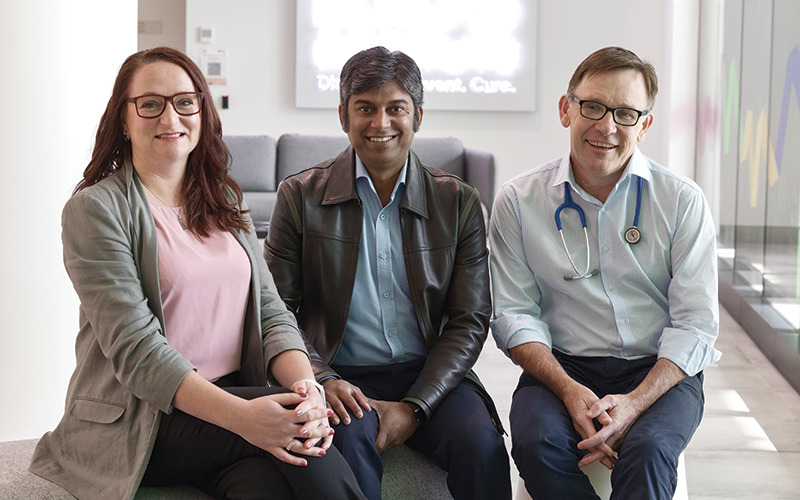
Despite respiratory syncytial virus (RSV) being the leading cause of hospitalisations in the first year of life, there is currently no routine preventative option for otherwise healthy babies.
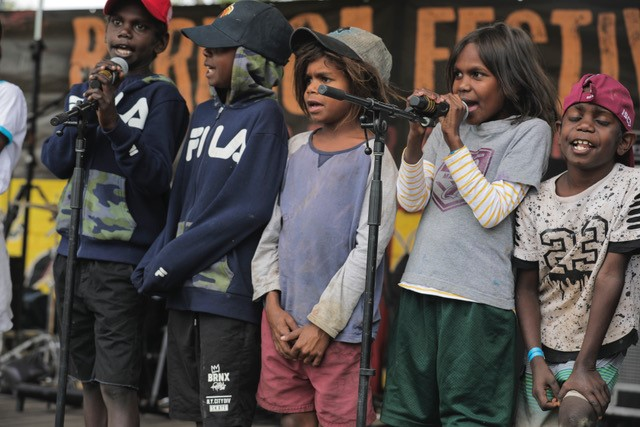
A song written by kids in Barunga as part of the END RHD Communities Project is helping prevent the spread of infections that cause rheumatic heart disease in remote Aboriginal Communities.
The aim of RESP-ACT is to reduce these children’s respiratory hospital admissions and visits to Emergency Department, and to help them and their families to have as the best possible quality of life.

Ask our experts a question about the COVID-19 pandemic.
Research
The Platform trial In COVID-19 vaccine priming and BOOsting (PICOBOO) booster vaccination substudy protocolCoronavirus-2019 (COVID-19) vaccination in Australia commenced in February 2021. The first vaccines recommended for use were AZD1222 and BNT162b2, both delivered as a two-dose primary schedule. In the absence of sustained immunity following immunisation, recommendations for booster vaccination have followed. It is likely that periodic boosting will be necessary for at least some Australians, but it is unknown what the optimal booster vaccines and schedules are or for whom vaccination should be recommended.
Research
Cohort Profile: The ORIGINS pregnancy and birth cohortDesiree Dr Jackie Susan Lisa Zenobia Silva Davis Prescott Gibson Talati MBBS, FRACP, MPH, PhD BSc (Hons), PGradDipHlthProm, PhD MBBS BMedSci PhD
Research
Online health literacy resources for people with intellectual disability: protocol for a grey literature scoping reviewPeople with intellectual disability are at risk of poor physical and mental health. Risks to health are compounded by poor health literacy, that is, reduced capacity to access health services, respond quickly to changes in health status and navigate care pathways. Building health literacy skills is a strength-based way to increase health and optimise the use of healthcare services. The internet is a primary source of health information for many people, including people with intellectual disability and their families.
Research
Global Lung Function Initiative reference values for multiple breath washout indicesMultiple breath washout is a lung function test based on tidal breathing that assesses lung volume and ventilation distribution. The aim of this analysis was to use the Global Lung Function Initiative methodology to develop all-age reference equations for the multiple breath washout indices lung clearance index and functional residual capacity.